
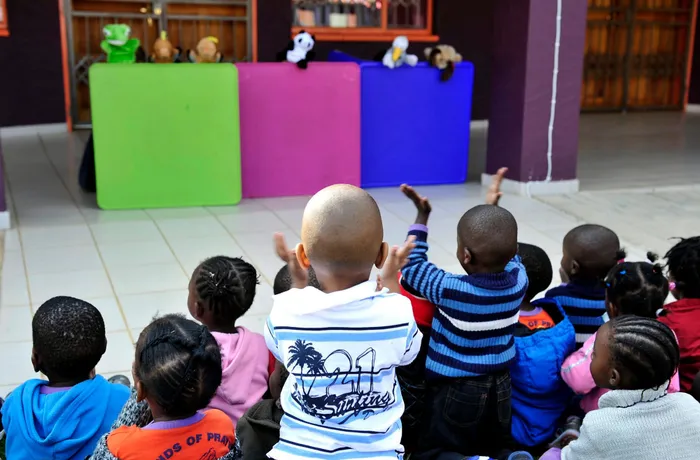
The unions have conducted a survey on the state of readiness of schools and found there are serious challenges that could affect schools reopening in KwaZulu-Natal on Wednesday, January 14.
Image: Independent Newspapers Archives
Teacher unions are warning that many schools are not ready to reopen and some might not be in a position to provide meals on the first day of school.
The unions have conducted a survey on the state of readiness of schools and found there are serious challenges that could affect schools reopening in KwaZulu-Natal on Wednesday, January 14.
The National Professional Teachers' Organisation of South Africa (Naptosa) said it had conducted a survey and engaged with 150 schools on the state of their readiness, while the South African Democratic Teachers' Union (SADTU) said it had engaged with principals from 247 schools.
Naptosa CEO in KwaZulu-Natal, Thirona Moodley, said yesterday that they are concerned regarding the state of readiness of schools for the commencement of the 2026 academic year.
“A survey conducted over a two-day period, completed by 150 schools across the province, indicates that a significant number of schools are not fully prepared for day 1.
“Of particular concern is the situation of our most vulnerable special schools, many of which have indicated that they may not be in a position to open on Wednesday. Equally alarming is the report from several schools indicating that they will be unable to provide school meals on the first day of the academic year due to the non-delivery of food. This has serious implications for learner wellbeing, attendance, and readiness to learn,” said Moodley.
Nomarashiya Caluza, SADTU leader in KwaZulu-Natal, said the union has been inundated with panic calls from some school principals who are worried about the poor state of readiness for schools reopening.
The labour union conducted a survey with school principals and of the 247 schools surveyed, about 54% reported not being ready for the start of the year as they have not received their Learning and Teaching Support Materials (LTSM).
The survey found that while 60.1% of participating schools in Umlazi reported being ready, high levels of unreadiness were identified in Umkhanyakude (69.6%), Ugu (69.4%), and iLembe (68.6%). In these three districts, more than two-thirds of schools indicated unreadiness.
“Failure to pay the basic financial allocations is the reason many schools are unprepared for reopening. For example, 72.4% of schools report that they did not receive their allocation (norms and standards).
“Further to this, 56.7% of schools indicated that they do not have the Learning and Teaching Support Materials (LTSM) as those schools that rely on central procurement are still waiting for deliveries from the Department of Education (DOE). These include stationery, textbooks, and workbooks.
“Section 21 (C) did not receive their basic financial allocation in October/November 2025; they could not place orders for the LTSM as there was no indication as to when the Department was planning to pay them," she said.
She added that even in 2025, schools encountered the same situation, and the union intervened by engaging the employer, which made a commitment to service providers.
However, those commitments were never met, leading to some principals being threatened by service providers who wanted their payments, which the Department of Education (DOE) was failing to pay without explanation, after delivery of LTSM to Section 21 (C) schools.
Caluza said:“Schools are in this mess because of decisions that are taken without due diligence. SADTU warned about the implications of the decision of the Provincial Treasury to impose PFMA (Public Finance Management Act) Section 18, which dictates that the Department of Education in KZN cannot do any procurement without the approval of the Department of Finance. That decision prevented the placing of orders by schools/KZNDOE, which normally happens in May.
“It was only in October 2025 that a green light was given, but only for the procurement of stationery (not textbooks) for Section 20 schools by the MEC for Finance. Under normal circumstances, orders are initiated in May so that deliveries to schools are done from October,” she said.
In a statement, the Economic Freedom Fighters in KwaZulu-Natal condemned the "failure of the KwaZulu-Natal Department of Education to adequately plan for the 2026 academic year, once again placing the futures of the children of the poor at risk."
Several attempts to get comment from the education department were unsuccessful yesterday.