
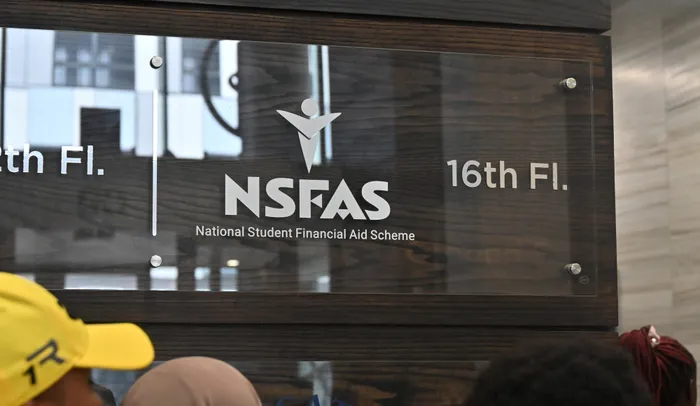
Parents and students who improperly received funding from the National Student Financial Aid Scheme (NSFAS) are urged to come forward.
Image: Ayanda Ndamane / Independent Newspapers
Parents of students and students themselves who benefitted from National Student Financial Aid Scheme (NSFAS) when they didn't qualify for funding have been urged to come forward as the Special Investigating Unit's probe into the matter is ongoing.
The Special Investigating Unit has already referred matters to the National Prosecuting Authority, IOL reported, in cases where it has recovered more than R126 million from parents and students who failed to qualify for NSFAS but received funding.
The SIU recently announced that while the R126.4m was yet to be fully paid by 1,055 parents and unqualified beneficiaries, acknowledgements of debt (AoDs) had been signed with payment plans agreed to.
The unit called on unqualified NSFAS beneficiaries who have not yet come forward to make arrangements for repayment.
Other recoveries that the SIU has made includes R1.7 billion that was returned by universities, TVET colleges. These funds relate to unallocated NSFAS money from 2016 to 2021.
“These unallocated funds represent financial resources that were designated for students who qualified for funding but later changed institutions or deregistered,” the SIU said.
Institutions are permitted to retain such funds for one year. However, in these cases, the money was held for longer periods.
NPA head of communications Bulelwa Makeke said the authority has received referrals from the SIU relating to NSFAS matters involving unqualified beneficiaries, including cases where acknowledgements of debt have been signed.
“The NPA confirms that it has received referrals from the Special Investigating Unit (SIU) relating to cases involving unqualified NSFAS beneficiaries, including matters where acknowledgements of debt have been signed,” Makeke said.
However, she said more than 300 matters had been referred back to the SIU for outstanding investigations.
In determining whether conduct constitutes fraud, the NPA considers whether the available evidence meets the elements of the offence, including misrepresentation, intent, unlawfulness and prejudice, whether actual or potential.
“Each matter will be assessed on its own merits. The signing of an acknowledgement of debt does not in itself exclude criminal prosecution,” Makeke said.
She said decisions to prosecute are guided by admissible evidence and the public interest.
“The matters referred are at various stages of investigation,” Makeke said.
For more stories from The Mercury, click the link THE MERCURY