
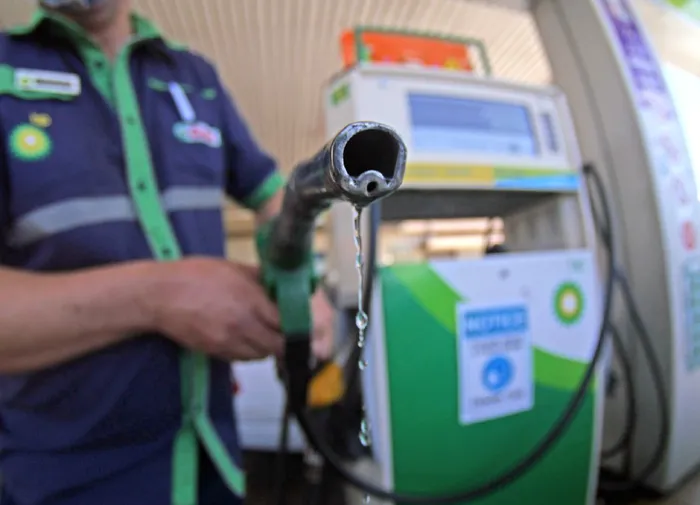
South Africa's fuel supply faces uncertainty, with the possibility of long queues at petrol stations signalling potential rationing and economic challenges ahead.
Image: Supplied
The ongoing conflict in the Middle East has begun to have a domino effect on the local supply chain, resulting in sporadic fuel shortages across several parts of the country.
While we aren't facing a national crisis yet, many stations are reporting low stocks, particularly diesel, or are operating on strictly limited supplies.
These localised "dry patches" can easily catch motorists off guard. To avoid being stranded, it is essential to adjust your refuelling habits and prioritise safety.
According to Jacques Broodryk, AfriForum’s chief spokesperson for Community Safety, waiting until the "fuel low" light comes on is a gamble you shouldn't take.
“Motorists should not wait until their cars are almost out of fuel before they start looking for a petrol station. At a time when there is great uncertainty about the supply of fuel, it is wise to always maintain a reasonable safety margin."
Broodryk warns that running out of fuel on the side of the road is not only a logistical problem but can also be a safety risk, especially on remote roads or in areas that are hotspots for crime.
To navigate these shortages safely, consider the following guidelines:
The 50% rule: Aim to keep your tank at least half full at all times. Don't wait for the reserve light.
Strategic planning: Map out your routes in advance and identify reliable refuelling points before you head out.
Conserve where possible: If you know your local stations are struggling with supply, avoid non-essential trips until the situation stabilises.
Emergency communication: Ensure your cellphone is fully charged and keep a list of emergency contacts (roadside assistance, local security, or family) easily accessible.
Safety first: If you do run out of fuel, pull over in a well-lit, visible area. Stay vigilant and contact a trusted safety network immediately.
Resilience often comes down to individual preparation, Broodryk says: "The reality in South Africa is that communities often have to take responsibility for their own safety.
"A simple thing like planning ahead with fuel can prevent people from finding themselves in vulnerable situations."