

Alcohol testing should become an everyday practice, not a festive-season event. The writer says seasonal operations can make a dent in December’s accident statistics, but risky behaviour tends to resurface once the roadblocks disappear.
Image: File / WCG
Every year, South Africa braces itself for the same headlines: festive season roadblocks, alcohol blitzes, and police clamps on drunk driving. While these seasonal operations can make a dent in December’s accident statistics, their impact is rarely sustained. The deterrent effect wears off quickly, and once the roadblocks disappear, risky behaviour tends to resurface just as fast. The underlying issue is simple: alcohol consumption in South Africa doesn’t pause for eleven months of the year. So long as enforcement remains seasonal, behaviour change will remain seasonal too. If the goal is safer roads and more responsible motorists, alcohol testing needs to become an everyday practice, not a festive-season event.
Why seasonal crackdowns don’t create lasting change
Festive season crackdowns are reactive by nature. They respond to an anticipated spike in drinking rather than forming part of a sustained road safety strategy. Motorists know this pattern well, and they expect roadblocks in December, but very few in April, August or October. When the likelihood of being stopped fluctuates so dramatically, the deterrent effect quickly diminishes.
Long-term change only happens when testing becomes predictable. If drivers know they may be tested at any time of year, responsible behaviour becomes a habit rather than a once-off obligation. Sporadic operations simply cannot reshape the everyday mindset behind the wheel.

Excessive drinking and wet festive season weather combine to create the perfect conditions for accidents to occur.
Image: Supplied
A proactive, community-driven model for year-round road safety
One of the most effective ways to build continuous enforcement capacity is through collaboration between local authorities and the private sector. Many organisations already understand the value of alcohol testing within their own operations. Extending this awareness into surrounding communities can dramatically strengthen local road safety efforts.
A workable model being explored in several regions involves establishing a dedicated Non-Profit Organisation (NPO) to support ongoing alcohol testing. The idea is simple but powerful – local companies contribute to a central NPO as part of their community responsibility efforts. This NPO then purchases reliable breathalyser devices at a discounted rate through a specialist provider who takes care of calibration, training, maintenance, and consumables. These breathalyser units are then loaned to local police or traffic departments for daily or weekly roadside testing. Businesses receive Section 18A certificates while helping maintain safer roads around their operations.
This approach makes year-round testing possible without relying solely on government budgets – and it aligns the interests of employers, employees and the broader community. In smaller towns where most families are linked to the same mines or factories, this model gains traction quickly. When businesses invest in community safety, residents see the value and buy-in increases.
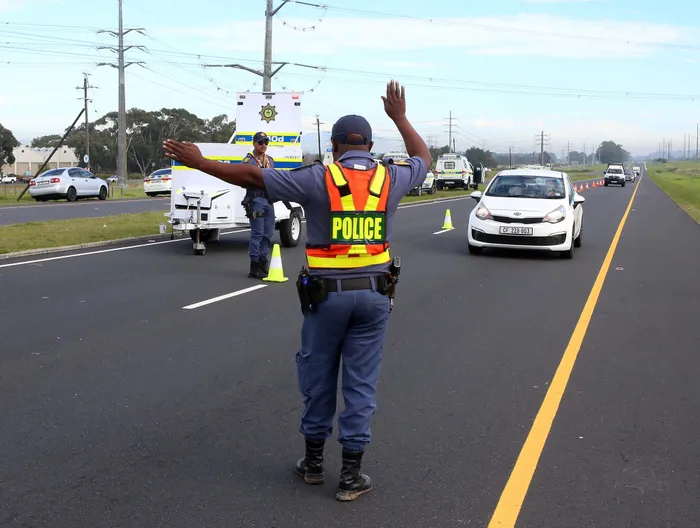
Roadblocks will be come familiar sights on South African roads in December.
Image: Brendan Magaar / Independent Media
Extending workplace alcohol responsibility into the community
Daily testing for drivers is standard practice in logistics and transport, but limiting alcohol safety to a single group of employees overlooks a wider opportunity. Many businesses are discovering that workplace alcohol programmes can do more than ensure compliance on-site. They can actively influence healthier behaviour in employees’ homes and communities. By offering organisation-wide awareness sessions, early intervention support and access to counselling instead of relying only on disciplinary action, companies create an environment where alcohol risks are openly discussed and better understood.
This broader approach is both compassionate and commercially sound. The employees who test positive are often long-serving and skilled, which makes dismissal disruptive and costly. When companies choose support instead of termination, the impact extends well beyond the workplace. In one case, three long-tenured workers who tested positive within weeks all completed counselling and returned to work stronger, more engaged and willing to advocate for responsible alcohol use.
Their willingness to share their experience, both at work and at home, shows how workplace programmes can ripple outward into the wider community. What begins as a company initiative can grow into a community shift that reinforces the message that alcohol testing is not about punishment but about safety, dignity and long-term wellbeing.

Rhys Evans, Managing Director at ALCO-Safe
Image: Supplied
Building trust through consistent, fair and everyday alcohol testing
Reliable tools, proper training and clear policies are essential for any alcohol testing programme to gain trust. When breathalyser devices are accurate and well maintained, when the people conducting tests are trained correctly and when policies are communicated openly and applied fairly, testing becomes a respected safety practice rather than a source of tension. Specialist support helps ensure this consistency, giving organisations confidence that their testing processes are both reliable and defensible.
Real change happens when alcohol testing is understood not as punishment but as part of everyday safety, much like wearing a seatbelt or checking a vehicle before a trip. South Africa does not need seasonal crackdowns that fade once the holidays pass. It needs steady, shared responsibility. With companies, communities and authorities working together, regular alcohol testing becomes practical and sustainable, and safer roads become a year-round reality rather than a seasonal wish.
Rhys Evans is Managing Director at ALCO-Safe