
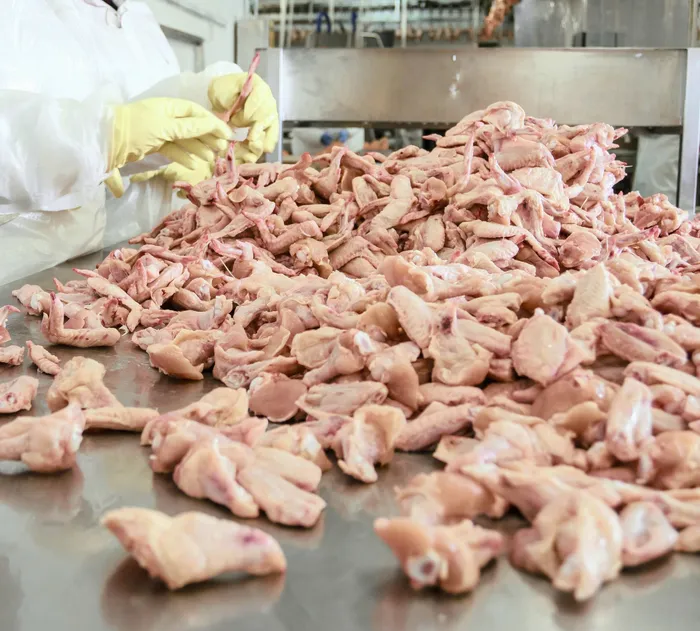
A proposal by the South African Poultry Association to zero-rate chicken for VAT purposes would benefit the bottom seven income groups.
Image: File
The South African Poultry Association (SAPA), advocating for the country’s most widely consumed protein source, has sent a formal request to National Treasury, proposing the removal of the 15% value-added tax (VAT) on chicken. SAPA argues that doing so would ease the financial burden on low-income households and improve nutritional standards across the nation.
Izaak Breitenbach, CEO of SAPA’s Broiler Organisation, highlighted the urgency of this initiative, stating, “This measure would reduce the cost of the country’s most widely consumed protein source and provide direct relief to low-income households facing increasing food insecurity.” The call for proposals comes in response to a parliamentary committee recommendation last year to expand the list of essential foods exempt from VAT, currently limited to tinned pilchards as the sole meat protein.
SAPA said the impact of VAT on chicken prices is particularly pressing, as the average household food basket now costs a staggering R5,440.60, while the national minimum wage falls short at R5,297.36 per month. Essential expenses, including electricity and transportation, leave families struggling to make ends meet, often falling 38% short of what is deemed necessary for a basic nutritious diet. In addition, the Child Support Grant, set at R560, is below the food poverty line of R796 and covers only 59% of a child’s minimum dietary needs.
Breitenbach elaborated on the necessity of chicken in the diets of millions of South Africans, noting, “Chicken is the most affordable and widely consumed animal protein among low-income households; zero-rating chicken would reduce the cost of a staple food relied on by millions and improve both affordability and nutrition quality for vulnerable households.” Chicken provides between 24-32g of protein per 100g cooked, alongside essential micronutrients vital for healthy growth and development, especially in children.
The association’s submission also underlines public health considerations, citing alarming child stunting rates of 28.8% nationally, spiking to 36% among the poorest households. It said a significant factor contributing to these statistics is the low consumption of animal-source protein, which is pivotal in combating chronic malnutrition — a crucial issue that zero-rating chicken aims to address.
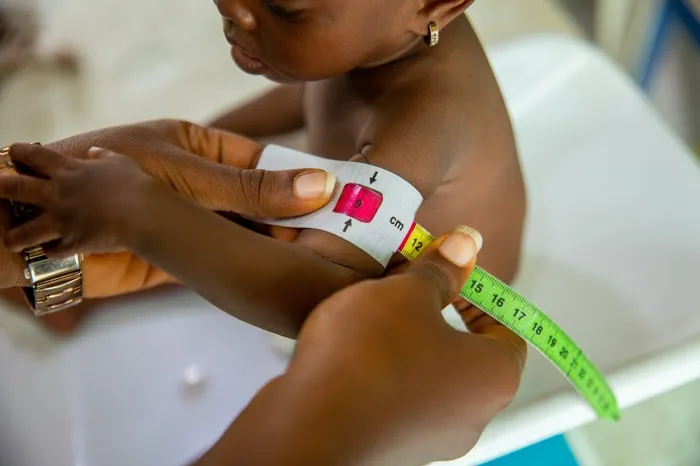
Zero-rating chicken would help combat malnutrition in children, the South African Poultry Association says.
Image: Lagos Food Bank Initiative/pexels
SAPA’s proposal not only seeks to mitigate immediate food insecurity but also aims to bolster public health and equity. By alleviating financial pressures on low-income families, it promises to strengthen government initiatives such as the National School Nutrition Programme, ensuring that programmes aimed at combating hunger are more cost-effective.
SAPA said the expected benefits extend beyond household affordability; zero-rating chicken would stimulate demand within the poultry value chain, thereby promoting job stability and growth. As Breitenbach argued, “This measure is highly progressive, as the bulk of VAT savings on frozen chicken would significantly benefit the bottom seven income groups.” The proposal is also delineated to ensure that the definition of “chicken” for VAT purposes specifically includes frozen meat on the bone and uncooked offal, excluding processed or ready-to-eat products to maintain targeted relief for those who need it most.
Breitenbach said, “This request is a targeted intervention aimed at improving access to affordable animal protein and strengthening the nutritional foundation for future generations. It presents a clear, practical solution that enhances affordability, improves nutrition, and aligns fiscal policy with the needs of vulnerable households.”
IOS