

Draft a list of essentials, festive treats and gifts within your financial means to maintain control over your purchases.
Image: Gustavo Fring/Pexels
As the festive shopping season kicks into high gear, we find ourselves inundated with glittering sales banners promising irresistible savings. The allure of deals, spurred on by joyous holiday cheer, can prove overwhelming, leading many to act on impulse rather than intention. Behind these marketing strategies lies a complex psychological narrative that many consumers are unaware of, yet it shapes their spending behaviour profoundly.
Kaylynn Philander, coaching manager at the South African College of Applied Psychology (SACAP), highlights a fundamental truth about human nature: “Humans are wired to recognise opportunity.” When faced with a special deal, our brain's dopamine-driven reward system activates not merely out of interest in the product itself, but from the excitement of acquiring something of value for less. This potent psychological response plays a central role in our extravagant holiday spending.
However, the thrill of bargain hunting is amplified further by strategic marketing tactics. Elements such as countdown timers or messages indicating limited availability trigger our brain's amygdala, heightening the threat of missing out — commonly known as FOMO. Philander explains, “In these heightened states, the rational part of our brain, the prefrontal cortex, takes a backseat. Even the most disciplined shoppers can find themselves swept up in the moment.”
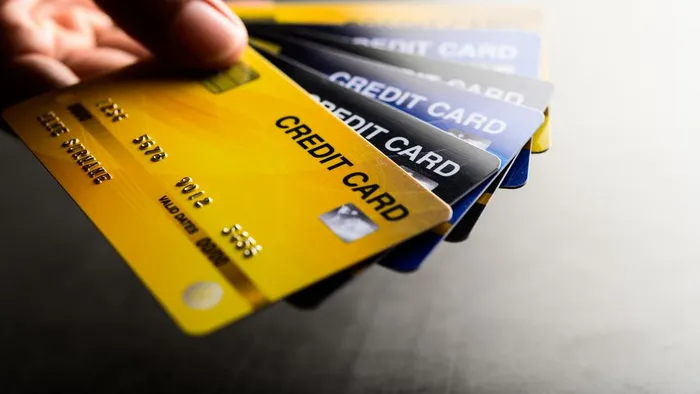
Experts urge caution before buying, especially Buy Now, Pay Later offerings, which can lock you into long-term debt.
Image: Freepik
According to leadership development coach Michaela Mahes, the festive shopping experience is intricately designed to exploit our emotions. “Stores often amplify the atmosphere with upbeat music, and advertising bombards shoppers at every turn,” she points out. This relentless pressure nudges consumers towards emotional spending, where the desire to feel special or connected overshadows rational decision-making. “So much of our buying isn't about the items but the emotional fulfilment they promise,” Mahes notes, a sentiment echoed by the festive season's inherent emotional pull.
During this time, the intertwining of comparison culture and holiday marketing can lead shoppers to purchase items for identity reinforcement rather than genuine necessity. This is where the concept of conscious consumerism enters the fray, offering a solution not about guilt or deprivation, but a method to reclaim control over one’s financial choices. Mahes encourages consumers to reflect on their motivations: “Recognising whether we’re buying out of need or emotion is pivotal. Emotional regulation can foster better spending habits aligned with our values.”
Coaching, Mahes argues, can be an instrumental process in managing consumer behaviours during periods rife with stimuli. “Coaching facilitates deeper exploration of spending choices, allowing for intentional reflections on priorities, ultimately enabling individuals to resist distractions,” she articulates. This reflective process mirrors the foundation of conscious consumerism, promoting awareness in spending that resonates with personal identity rather than conforming to external pressures.

Think carefully before swiping, tapping or inserting this holiday season. Do you really need the item?
Image: Simphiwe Mbokazi | Independent Media
Feeling overwhelmed by the festive shopping rush? Both Philander and Mahes suggest a set of practical strategies to help keep spending grounded and intentional:
By transforming the focus from mere transactions to intentional choices, gifting can evolve into a profound act of emotional connection, encapsulating care and authenticity in each decision made.
IOS