
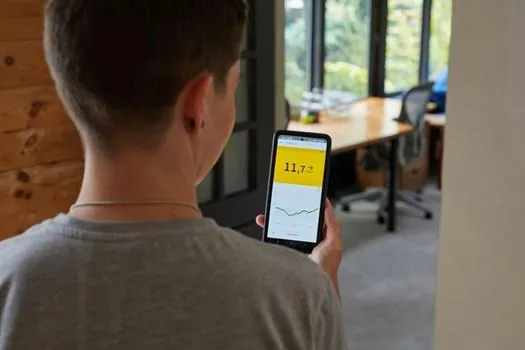
With millions in the country battling diabetes, advocacy groups are not only calling for continuous glucose monitors to be made publicly available, but for better enforcement of the standards of such devices.
Image: Unsplash
In South Africa, a staggering 4 million people grapple with diabetes daily. For many, continuous glucose monitors (CGMs) have emerged as transformative tools, providing 24-hour glucose readings that can drastically improve quality of life, say advocacy groups. However, not all CGMs are created equal, and the market has seen an influx of cheaper, less reliable devices that could jeopardise patient safety. Advocacy organisations, including SA Diabetes Advocacy, Sweet Life, Diabetes Alliance, Diabetes SA, and SEMDSA, are demanding better access to these life-saving devices alongside stricter standards for accuracy.
“CGMs are incredible devices, freeing people with diabetes from constant fingerstick testing and guesswork. But inaccurate devices can have life-threatening consequences,” warns Kirsten de Klerk, chairperson of SA Diabetes Advocacy. The potential for inaccurate readings can lead families into perilous medical situations, leaving parents unsupported and healthcare providers unable to assess which devices can be trusted.
The advocacy for CGMs to become standard treatment options in South Africa's public healthcare system is gaining momentum. Recent initiatives include a petition submitted to the National Department of Health, advocating for children under 18 diagnosed with diabetes to have publicly funded access to CGMs. This petition gathered over 9,000 signatures, underscoring the urgency felt by families across the nation.
Yet, in the face of this advocacy, a critical gap remains: the absence of global safety or ISO standards specifically addressing CGM accuracy. In practice, this leaves funders, procurement teams, and clinicians in a quandary, unsure of the devices they are evaluating.
To combat this, South African diabetes organisations have jointly approved an evidence-based checklist designed by the Foundation for Innovative New Diagnostics (FIND) in partnership with SA Diabetes Advocacy and the Institute for Diabetes Technology (IfDT). This checklist will serve as a vital tool for decision-makers to discern between accurately tested devices and those that may pose risks to users.
Dr Patrick Ngassa Piotie, chairperson of the Diabetes Alliance South Africa, highlights the repercussions of neglecting standards: “As access to CGMs grows, so does our responsibility to safeguard the people who rely on them. The high cost of established devices is pushing many towards cheaper products with unverified accuracy, which is a significant issue of equity and patient safety.”
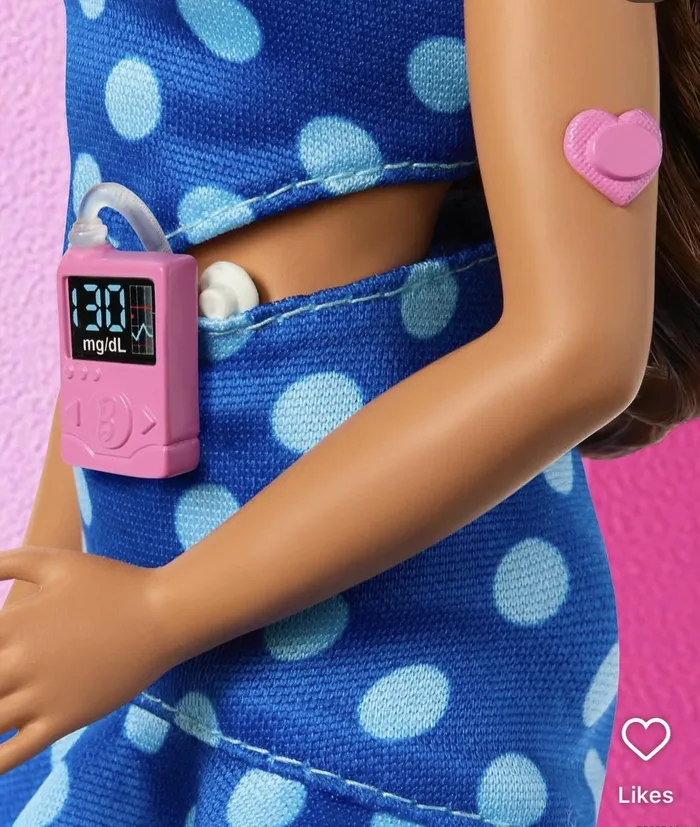
Continuous Glucose Monitors (CGM) are wearable devices that continuously measure blood sugar levels.
Image: Supplied/Barbie/Instagram
Accurate CGMs are not just about convenience — they are about safety. De Klerk likens CGMs to cars, stating, “You wouldn’t drive one that hadn’t undergone thorough testing across a range of conditions. A CGM should be no different!” Failure to provide accurate glucose readings can lead to severe medical emergencies such as hypoglycaemia or diabetic ketoacidosis (DKA).
To assist stakeholders in selecting safer CGMs, diabetes organisations are distributing a simplified checklist with key questions aimed at evaluating device reliability. Important criteria include:
These criteria ensure that CGMs are effective in real-world, high-risk conditions, rather than merely within controlled environments.
“The checklist empowers CGM users, funders, and procurement officials to ask better questions and ultimately make better decisions,” de Klerk explains.
The coalition of advocacy groups is committed to sharing the CGM accuracy checklist with medical schemes, administrators, and the National Department of Health's procurement teams. However, the message from these advocates is unequivocal: the expansion of CGM access must never compromise safety.
“We all want more South Africans to benefit from CGMs,” de Klerk says. “But expansion must be responsible. Accuracy standards should be in place to ensure that tender processes, funding decisions, and clinical use are firmly grounded in science and the best interests of patients.”
IOS