
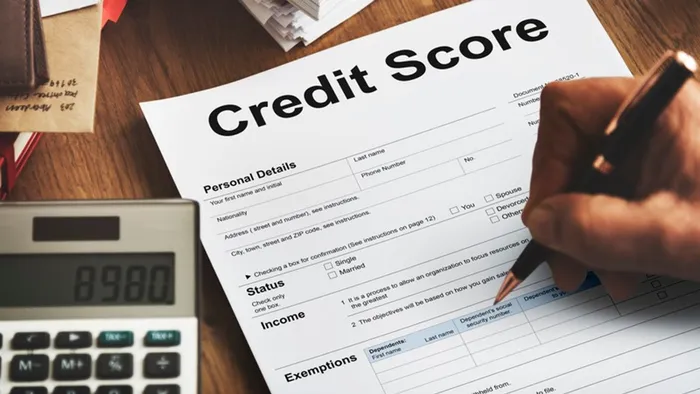
Make regular checking of your credit score a habit this year as it allows you to track your financial standing and make informed choices. A healthy credit score can help you qualify for better interest rates, faster approvals, and stronger protection against fraud.
Image: File
In a landscape often marred by financial unpredictability, South Africa's recent credit report from Experian offers a rare glimmer of hope. The Consumer Default Index (CDI) has revealed a noteworthy 14% year-on-year drop in default rates, suggesting an improvement in consumer credit behaviour. However, a closer look at this statistic unveils a more complex reality — one driven not by newfound financial stability among consumers but rather by tightened lending practices and a stringent credit environment, says Jaco van Jaarsveldt, Chief Strategy & Innovation Officer at Experian.
As the lingering effects of festive spending subside, the looming year of 2026 threatens to expose deeper vulnerabilities within the financial landscape, he says. Households, many of which are still grappling with soaring living costs, are faced with the critical need to confront their credit choices and build resilience before the true financial pressures become evident. The stakes have never been higher, making a proactive credit mindset essential, says van Jaarsveldt.
Despite a technical improvement in default rates, the demand for credit continues to soar, exceeding pre-COVID levels. This discrepancy is troubling and flags a concerning trend: many consumers are still struggling to manage their basic needs. In light of this, a fresh approach to credit management is imperative, says van Jaarsveldt. Here are several actionable steps that can help steer individuals and households toward a credit-smart future in 2026:

Jaco van Jaarsveldt is Chief Strategy and Innovation Officer at Experian.
Image: Supplied
While the CDI presents a superficially encouraging picture, true resilience in South African households will stem from proactive credit management and informed decision-making, says van Jaarsveldt. By adopting these strategies now, individuals can emerge better equipped to tackle the challenges that lie ahead in 2026.
IOS