How exclusive school uniform contracts affect parents' wallets
School uniforms
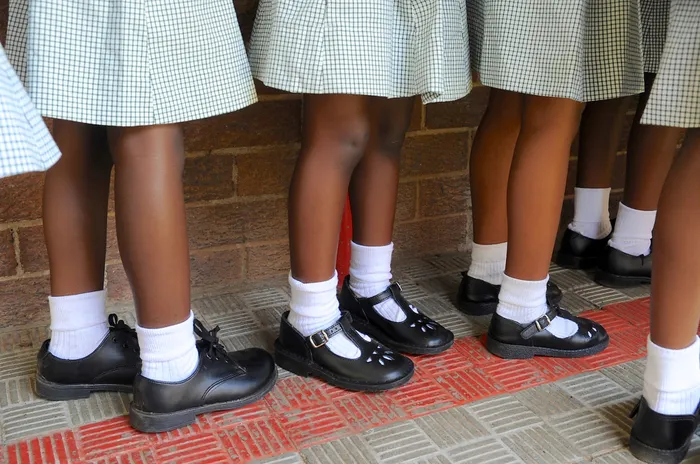
BACK TO SCHOOL: Kids in uniform
Image: Karen Sandison
EXCLUSIVE school uniform supply contracts remain under scrutiny, five years after the Competition Commission introduced national guidelines aimed at opening the market and easing the financial burden on parents.
The Commission confirmed this week that it continues to receive complaints from parents and suppliers about schools that restrict uniform and learning material procurement to selected suppliers, often through long-term exclusive agreements.
Complaints to the Commission have been flooding in since 2010 about schools that entered into exclusive supply arrangements without transparent or competitive bidding processes. These agreements, it found, substantially reduced competition in the market and resulted in higher prices for essential school items.
In 2017, the Commission launched a national investigation into schools and uniform manufacturers and suppliers, focusing on potential abuse of dominance and restrictive vertical practices. That process led to a series of interventions and, in 2021, to the publication of formal guidelines for schools, parents, and school governing bodies.
The guidelines are intended to promote competition in the procurement of school uniforms and learning materials. They encourage schools to follow open and competitive bidding processes, appoint multiple suppliers, limit exclusive agreements and keep contract periods to no longer than five years. Schools are also urged to make uniforms as generic as possible, allowing parents to buy items from more than one retailer.
As part of the initiative, schools were asked to sign a voluntary “Undertaking to Comply with Competition Principles in School Uniform Procurement”, committing themselves to pro-competitive procurement practices and to maintaining reasonable and affordable prices.
A survey conducted by the Commission in 2022 found that almost 90% of participating public and independent schools were aware of the guidelines. While many had adopted them, the Commission said some schools had not, citing challenges including the voluntary nature of the guidelines, lack of awareness, limited stakeholder involvement and the absence of dedicated personnel to oversee compliance.
The Commission said continued non-compliance is reflected in the volume of complaints it receives.
Between 2020 and 2025, it recorded 490 complaints related to school uniform and learning materials. During the same period, 465 cases were resolved. The Commission said these matters are prioritised because of their direct financial impact on households.
The guidelines have also resulted in an increase in complaints from parents and guardians, enabling the Commission to intervene directly where schools are alleged to be maintaining anti-competitive practices.
Despite this, no school has been prosecuted for non-compliance with the guidelines. The Commission confirmed it reached settlements with various schools and major suppliers following its 2017 investigation and has consistently maintained that litigation is not in the best interests of schools. It said institutions were given time to implement corrective measures.
“It is fair to say that schools have been given sufficient time to comply,” the Commission said.
To strengthen monitoring, the Commission is now working with the Department of Basic Education to develop a national tool to track uniform suppliers and prices. The system, expected to be implemented in schools before the end of 2026, will collect procurement data directly from schools.
The Commission said the information will be used to identify exclusive agreements, detect anti-competitive conduct, including excessive pricing, and support the entry and expansion of small and medium suppliers in the school uniform market.
The DBE, through its provincial offices, has been assisting with awareness campaigns and the distribution of educational material to schools and school governing bodies.
Parents will not have direct access to the tool, but SGBs are expected to encourage schools to submit information and comply with the guidelines.
The Commission stressed that it does not regulate prices, but rather promotes competitive markets, which it says ultimately lead to greater choice and lower costs for consumers.
Parents, guardians, suppliers and school governing bodies are encouraged to report suspected anti-competitive conduct to the Commission.
Complaints can be submitted via WhatsApp on 084 743 000 or through the Commission’s website.
The guidelines are available in English, Afrikaans, Sesotho and isiZulu.