
The SA Canegrowers organisation is demanding that the government urgently abolish the sugar tax, saying it threatens the livelihoods of local growers and the future of South Africa's agricultural sector.
Image: SUPPLIED
In a bold and urgent plea, SA Canegrowers has called on the South African government to promptly abolish the sugar tax, citing a troubling rise in imported sugar that threatens the viability of the domestic sugar industry. This alarming trend jeopardises not just the economic stability of local growers, but also threatens the livelihoods of over one million South Africans reliant on the sector across KwaZulu-Natal and Mpumalanga, the organisation said.
The local sugar industry, comprised of approximately 27,000 small-scale growers and around 1,100 large growers, plays a crucial role in the country’s agricultural landscape. However, the past year has seen them endure unprecedented pressure from escalating input costs and fluctuating global markets, with additional challenges posed by the sugar tax amplifying the distress already felt by the sector.
SA Canegrowers chairman Higgins Mdluli underscored the detrimental impacts of subsidised imports: “Imported sugar is often heavily subsidised in exporting countries, but the only people who benefit are the agents who import the sugar into South Africa and are often able to reap high short-term profits by selling the sugar at local market prices.” Statistics from the South African Revenue Service (SARS) highlight a concerning trend: 153,344 tons of imported sugar flooded the South African market from January to September 2025, a stark increase from just 20,924 tons during the same period in 2020. To put this in perspective, the previous highest import level was recorded in 2024, which saw 55,213 tons enter the market.
The global sugar market is facing oversupply and distorted trade practices, allowing larger exporting countries to dump surplus sugar at artificially low prices due to subsidies, currency advantages, and weak demand growth. Mdluli articulated the urgency of safeguarding South Africa's domestic sugar market, stating, “Without effective safeguards, local growers are forced to compete against dumped imports while simultaneously facing policies that suppress local demand.” He added, “Allowing imported sugar to displace locally produced sugar under these conditions undermines food security, erodes rural economies and places a strategic agricultural sector at long-term risk.”
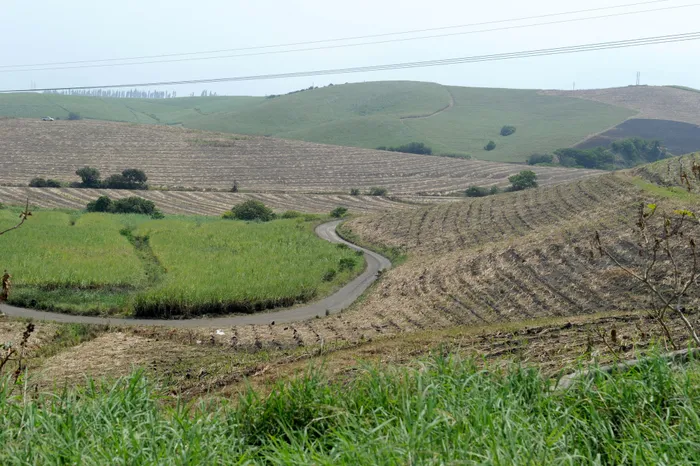
South African sugarcane growers warn of a looming crisis due to a staggering 400% increase in imports which is having a severe impact on the sale of locally produced sugar.
Image: Independent Newspapers Archives
Despite the ample sugarcane produced by local growers to meet domestic demand, imported sugar continues to encroach upon retail shelves, displacing locally produced options and negatively impacting food and beverage manufacturers. Meanwhile, the organisation also expresses concern regarding the sugar tax, which has been used as a punitive measure against local beverage producers incorporating sugar into their products. Notably, when the sugar tax was first introduced in 2018, it led to the loss of over 16,000 jobs in just the first year. “The sugar tax is an unproven policy experiment with very real consequences for rural jobs and investment,” Mdluli remarked, emphasising the need for a balanced approach that considers health data alongside the economic repercussions on growers, millers, and workers.
To navigate these challenges, SA Canegrowers advocates for decisive government action to ensure fair trade conditions and effective implementation of import protection measures. A significant immediate step would be for Finance Minister Enoch Godongwana to eliminate the sugar tax, thereby fostering an environment conducive to local growers' sustainability. The organisation urges all stakeholders — including government, industry partners, and consumers — to unite in protecting a sector fundamental to rural communities and the country’s food security.
“Saving the sugar industry is not just about growers; it is about communities, jobs, and South Africa’s ability to produce its own food,” SA Canegrowers said. “By standing together now, we can protect a strategic sector and secure a more sustainable future for generations to come.”
IOS