
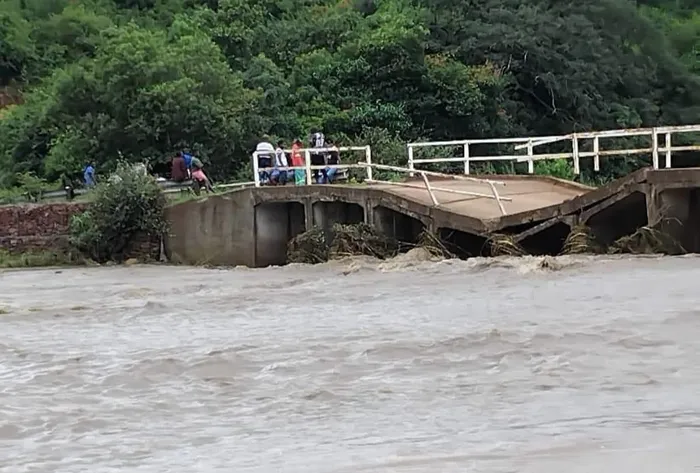
Floodwaters have damaged homes and infrastructure in parts of Mpumalanga and Limpopo following days of heavy rainfall.
Image: Supplied
In the wake of devastating wildfires in the Eastern Cape and severe flooding across Limpopo, Mpumalanga, and KwaZulu-Natal, the South African Local Government Association (SALGA) is sounding the alarm on the urgent need to modernise the country’s disaster management framework. As municipalities continue to bear the brunt of these escalating incidents, SALGA is advocating for accelerated national action to support local governments in mitigating the impacts of climate-related disasters on communities.
The recent wildfires in the Eastern Cape not only ravaged property and biodiversity, but also threatened the livelihoods of many residents. Meanwhile, the flooding in parts of Limpopo and Mpumalanga has disrupted essential services, displacing families and leading to the loss of more than 30 lives as of January 17. Expressing his condolences to the bereaved families, SALGA’s Chairperson of Emergency Services and Disaster Management Working Group, Mluleki Nkosi, highlighted the alarming frequency and intensity of such events and the inadequacies of the existing disaster management system.
"These events highlight the rapidly increasing frequency and intensity of climate-related disasters and expose the limitations of the current disaster management system,” Nkosi stated. Despite a Cabinet directive in 2022 to urgently review the Disaster Management System, progress remains slow, leaving municipalities overwhelmed with outdated mechanisms for handling floods, storms, droughts, and wildfires.
According to SALGA, current legislation mandates municipalities to co-ordinate local stakeholders and carry out contingency planning. However, most municipalities are hampered by a lack of capacity and resources, rendering them unable to act on early warnings effectively. SALGA urges local authorities to step up, despite facing severe constraints. Municipalities are encouraged to activate Joint Operating Committees promptly and communicate timely information to communities upon receiving alerts from the South African Weather Services.
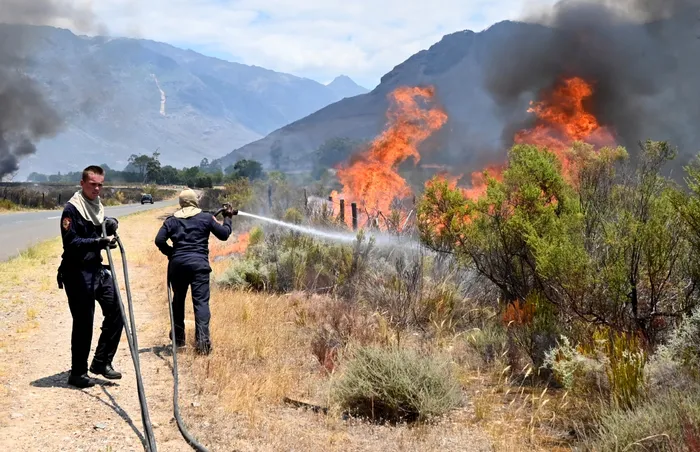
The Cape Winelands District Municipality’s Fire Services battle a fire that broke out in Franschhoek.
Image: Ayanda Ndamane/ Independent Newspapers
To bolster resilience against climate change-related disasters, SALGA is advocating for significant reforms in disaster policies. "South Africa must align its disaster strategies with the Climate Change Act, secure sustainable funding for municipal preparedness, and enhance early warning systems with automated communication channels,” says Nkosi. He also emphasised the importance of upgrading infrastructure, improving risk mapping, fostering intergovernmental collaboration, and expanding community education initiatives.
As SALGA pledges ongoing support to municipalities, particularly at a technical level, the organisation underscores the critical need for immediate national action. Protecting communities and infrastructure in an increasingly volatile climate necessitates proactive, co-ordinated, and well-resourced disaster management systems. Without significant enhancements, the very fabric of South African society may continue to be threatened by the relentless advance of climate-related disasters.
IOS