
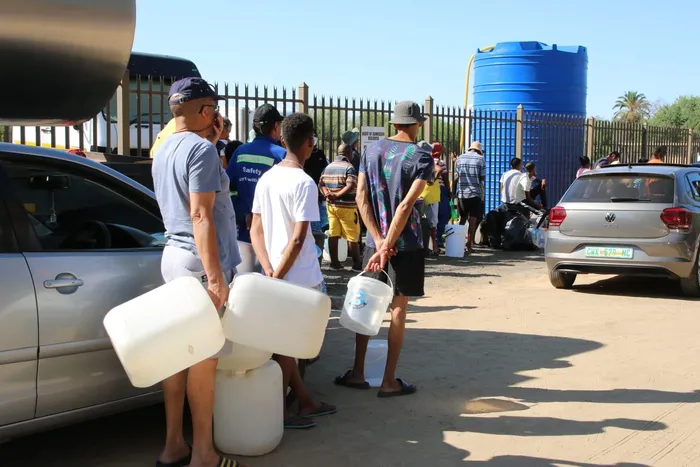
Between 3 million and 14 million South Africans lack reliable access to potable water, driven by factors including high levels of leaks and theft, and climate change escalating droughts and extreme heatwaves.
Image: File
As South Africa grapples with its pressing water crisis, the nation's resilience and innovation are coming to the forefront. Just a few years ago, electricity blackouts posed a significant threat to the economic and social fabric of the country. Today, we witness a marked turnaround in public policy and private energy generation. Inspired by this progress, leaders are turning their gaze towards a more pressing issue: water security.
President Cyril Ramaphosa has characterised the situation starkly, stating that “load shedding has been supplanted by the crisis of water security, which poses a similar if not greater threat to the quality of life and economic prospects of all South Africans.” With Deputy President Paul Mashatile spearheading initiatives to ensure universal access to clean water and sanitation, the country’s leaders are committed to addressing this critical challenge head-on.
The urgency surrounding water issues is palpable, particularly in the George Municipality, which is facing serious water constraints. The looming spectre of a 'Day Zero' — when reliable water supply may cease entirely — echoes the panic that gripped Cape Town in 2018. As a water-stressed nation, South Africa averages an annual rainfall of only 497 millimetres, significantly lower than the European average of over 800 millimetres. With nearly all strategic water resources already allocated, pollution and overuse are straining the country's aquifers, rivers, and wetlands.
Further compounding the crisis, Deputy President Mashatile highlighted alarming statistics: national water reliability is currently at a mere 68%, and water quality is deteriorating in 60% of supply systems. According to the Academy of Science of South Africa (ASSAf), between 3 million and 14 million South Africans lack reliable access to potable water. Projections indicate that by 2030, a 17% water deficit could further threaten the country's water security.
How did we reach this point? Factors include high levels of non-revenue water — lost through leaks or theft — dilapidated infrastructure, and insufficient technical and governance skills. Climate change also escalates the challenges, bringing about droughts, floods, and extreme heatwaves that exacerbate existing water stress.
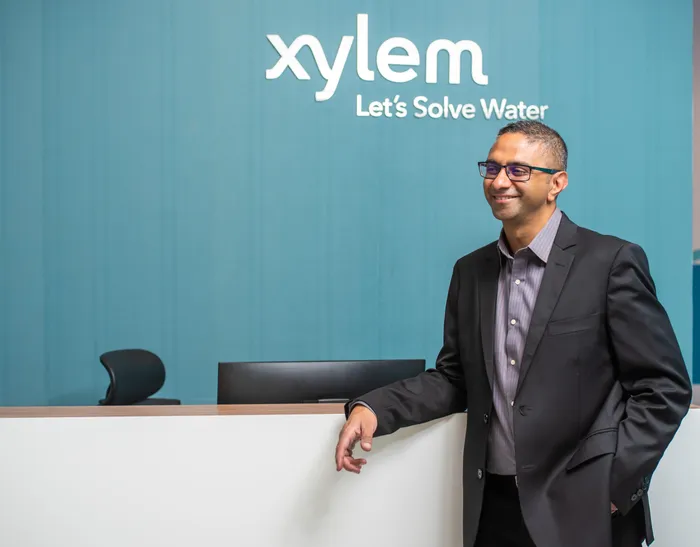
Chetan Mistry is Strategy and Marketing Manager at Xylem - WSS (AMETI).
Image: Supplied
Despite the grim outlook, South Africans have demonstrated an extraordinary capacity to mobilise during crises. The robust response to electricity shortages offers a roadmap for tackling the water crisis. Not only has there been a rise in private solar installations, which now boast an impressive 7 gigawatts capacity, but there is burgeoning enthusiasm for water resilience strategies as well.
Chetan Mistry, Strategy and Marketing Manager at leading global water solutions company Xylem - WSS (AMETI), noted, “There is growing uptake of water resilience among private households, schools, businesses, and public services. This reflects a similar trend we observed in the solar sector, where individual efforts coalesce into a national movement producing meaningful results.”
Several initiatives highlight how South Africans are rising to the occasion:
Additionally, initiatives around public water education, improved wastewater systems, and the rehabilitation of vital water sources are emerging as key components in the journey towards sustainability.
South Africa is undoubtedly facing a water crisis, yet concerted actions at various levels — national, local, business, and individual — are already making a substantial difference. As Deputy President Mashatile encapsulated during his address to the Association of Water and Sanitation Institutions of South Africa, “Together, we have the power to make a difference. Together, we can build a future where water is not a privilege, but a fundamental human right for all.”
IOS