
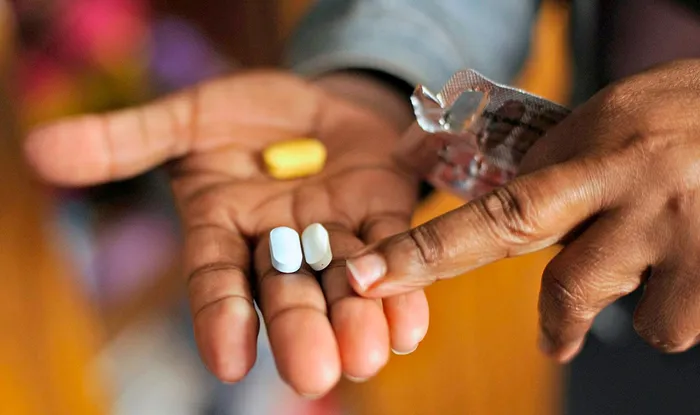
HIV/Aids is a critical health issue in South Africa, home to the world's largest HIV epidemic, affecting approximately 12.8% of the population.
Image: FILE
THE National Department of Health has confirmed that two pharmaceutical companies awarded contracts under South Africa’s current antiretroviral (ARV) tender have entered business rescue, triggering contingency plans to prevent any disruption to the country’s HIV treatment programme.
In a statement issued this evening, the Department said it became aware of the situation through media reports and subsequent engagements with the affected suppliers. Officials moved swiftly to assess the extent of the supply challenges and the expected timelines for resolution.
The Department confirmed that it has since activated risk-mitigation measures built into the ARV tender, including increasing production orders from other contracted suppliers.
“The ARV tender was deliberately awarded to multiple suppliers as a risk-mitigation strategy to ensure continuity of supply in the event of supply constraints by any individual supplier,” it said.
According to the Department, provinces currently hold sufficient stock of the affected antiretroviral medicines to cover approximately three months of expected demand. National and provincial health authorities are monitoring stock levels on an ongoing basis.
South Africa runs the largest HIV treatment programme in the world, with more than 5.7 million people on antiretroviral therapy. Any disruption to ARV supply carries serious public health risks, including treatment interruption, drug resistance, and increased HIV-related morbidity and mortality.
Health officials said they are engaging all contracted suppliers to stabilise production and prevent shortages. “The Department is alive to the consequences of the country running out of ARVs and will never allow this to happen,” the statement said.
It has urged patients to continue collecting their medication as normal, stressing that there is currently no shortage of ARVs at public health facilities.
“Uninterrupted access to life-saving HIV treatment remains a national priority, and all measures are in place to ensure that patients continue to receive their medicines without disruption,” the Department said.
Departmental spokesperson Foster Mohale said further updates would be provided as engagements with suppliers continue.