Education now africa’s third-most-urgent problem, survey finds
Survey
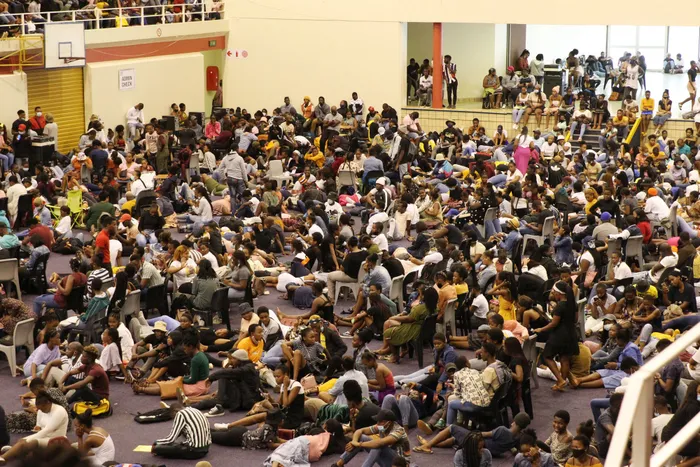
the standard of education is becoming increasingly one of Africa's pressing problems.
Image: Doctor Ngcobo/Independent Newspapers (Archives)
EDUCATION has risen to the third-most-important problem that Africans believe governments should address, up from sixth place in 2021/2023, according to the latest Afrobarometer Pan-Africa Profile.
The report, based on 50 961 interviews conducted across 38 African countries during Afrobarometer’s Round 10 surveys in 2024/2025, finds that only half of citizens are satisfied with their government’s performance on education.
Education now ranks alongside the rising cost of living, infrastructure and water supply, trailing only health and unemployment in public concern.
Disparities persist
While younger Africans generally attain more education than older generations, significant disparities remain. Women, rural residents, and poorer citizens consistently report lower levels of educational attainment. Nearly two in 10 adults (18%) have post-secondary qualifications, 39% have completed secondary school, 26% primary, and 16% report no formal schooling.
Although few respondents say families prioritise boys’ education over girls’, nearly three in 10 report that schoolgirls regularly face discrimination, harassment, or sexual requests from teachers. Country-level variation is stark: 71% of Gabonese and 55% of Cameroonians report frequent harassment, compared with just 9% in Madagascar and 2% in Mauritius.
Despite these challenges, a strong majority of Africans (81%) support allowing girls who become pregnant or have children to continue their education, with 43% “strongly agreeing” with the principle.
Country-level satisfaction
Public approval of government performance on education varies widely. Zambia (84%) and Tanzania (81%) top the rankings, while Angola (29%), Chad (28%), Nigeria (24%), and Congo-Brazzaville (22%) are at the bottom.
* Afrobarometer is a pan-African, non-partisan survey network tracking citizen experiences and evaluations of democracy, governance, and quality of life.