
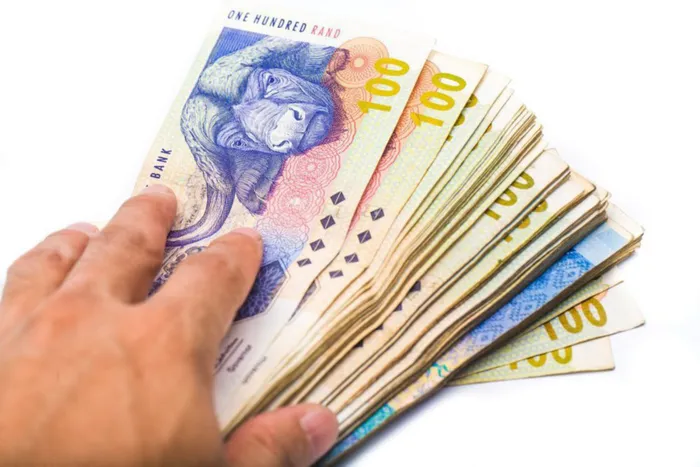
As the country awaits Finance Minister Enoch Godongwana's 2026 Budget speech, experts predict a cautious approach amid persistent economic challenges and the upcoming local government elections.
Image: File
As South Africa approaches the much-anticipated local government elections in 2026, Finance Minister Enoch Godongwana's Budget speech, scheduled for February 25, is set to emphasise fiscal stability. Analysts predict that the Minister will "hold the line" and avoid unpleasant tax surprises, steering clear of potentially explosive changes to the tax regime that could stir public discontent in an election year.
Prof André Roux, an economist from Stellenbosch Business School, describes this year's Budget as a complex balancing act where “economic and fiscal prudence competes with political expedience”. This year’s speech comes on the heels of the 2025 Budget's unfortunate delays, lending a sense of urgency and hope for greater transparency in this year’s proceedings.
The Minister's commitment to achieving a primary budget surplus and reducing the high government debt-to-GDP ratio suggests that an expansionary approach may not be on the table. Instead, careful consideration of the national balance sheet will be paramount, particularly against a backdrop of stagnant growth and elevated unemployment rates.
With the looming elections, substantial tax or expenditure changes are unlikely. Roux notes that low growth expectations are likely to hinder organic growth in tax revenue. However, the recent spike in gold prices may provide a slight uptick in corporate tax revenues.
“All in all, no major surprises are expected,” he says, while reinforcing that the contentious VAT rate is likely to remain unchanged for the time being. Similarly, significant adjustments to personal income tax rates seem off the table, though the possibility of bracket creep may subtly add to the burden faced by middle-income earners.
On the spending side, social relief measures are expected to remain a focal point, with transfers to unemployed and impoverished households unlikely to see reductions. The social relief of distress grant (SRDG), originally introduced to provide temporary aid during the COVID-19 pandemic, is anticipated to be renewed with some upward adjustment.
Nevertheless, broader proposals for expanding the reach of social grants or implementing a universal basic income will likely be sidelined, as the fiscal constraints do not permit such ambitious initiatives at this stage. The political landscape surrounding civil servant salaries suggests they will also remain unchanged, amid calls for fiscal prudence.
Roux highlights a critical statistic: approximately 70% of all tax revenues are being allocated to current expenditure, leaving a meagre 5% earmarked for essential development infrastructure, which ranges from roads to electricity. To put this into perspective, World Bank analyses indicate that developing nations should invest at least 4.5% of GDP in infrastructure to achieve sustainable progress.
Despite these constraints, the 2026 Budget carries some positive signals: for the first time in over a decade, South Africa is entering the year with a slightly improved outlook. The rising gold price and a stronger rand-dollar exchange rate provide rare rays of hope, as inflation expectations stabilise and interest rates show signs of cautious management. The upgrade of South Africa's long-term currency rating by Standard and Poor’s to a positive outlook is an encouraging sign, marking the first upgrade in more than 15 years.
Moreover, the removal from the Financial Action Task Force (FATF) grey-list in October 2025 has bolstered the country's global financial standing, potentially aiding investor confidence. However, significant structural problems, including persistently low economic growth and high unemployment, pose ongoing challenges for economic recovery.
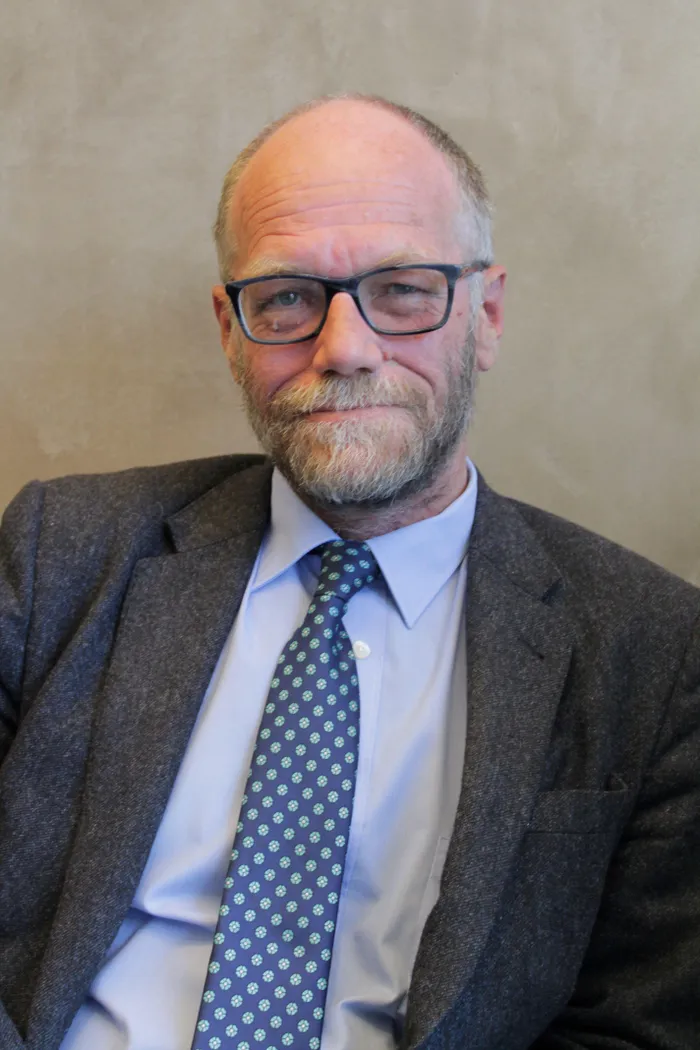
Prof André Roux is an economist from Stellenbosch Business School.
Image: Supplied
As the economy struggles to grow faster than the population, the ramifications are stark: GDP per capita is approximately 7% lower than it was in 2013. Roux says that a sustainable growth trajectory of at least 4% is necessary to foster real socio-economic progress.
Consumer strain remains high, with over 60% of GDP stemming from consumer spending — a tough situation given tightened household budgets and rising costs. With fixed investment spending stagnating for over 15 years, businesses are hesitant to invest in a climate they perceive as uncertain.
Ultimately, a consistently prudent fiscal policy can lay the groundwork for inclusive growth and human development. This includes elevating South Africa's competitiveness, fostering social capital, and enhancing educational training. The success of these initiatives depends on sustaining public trust and fostering a united vision for the country's future. As South Africa prepares for a pivotal Budget, the stakes have never been higher.
IOS