
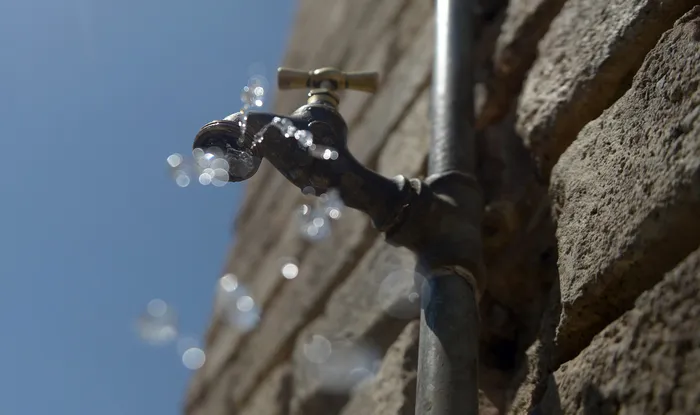
Residents have gone nine days without water supply in Durban's inner-west suburbs of Ashley and Pinetown. Skilled professionals and sustainable practices play critical roles in averting disaster at local municipalities.
Image: Oupa Mokoena / Independent Newspapers
As National Water Week (March 16–20) and World Water Day (March 22) approach, the spotlight intensifies on South Africa’s beleaguered water sector, grappling with a crisis that threatens the future of its communities and environments. The dichotomy of modern awareness and antiquated infrastructure lays bare a stark reality: decades of neglect and mismanagement have left many municipalities unable to ensure the delivery of reliable, safe water services.
Recent statistics reveal a staggering rate of inefficiency in water management, with municipalities losing nearly half of all treated water to leaks, theft, and inherent system failings. Dr Lester Goldman, CEO of the Water Institute of Southern Africa (WISA), underscores the urgent need for a paradigm shift. “Infrastructure funding alone is not enough; skilled professionals are what turn investment into results,” he says, signalling the crucial relationship between human capital and water security.
The challenges are multifaceted and systemic. South African municipalities are hampered by critical gaps in technical and managerial capacities, which endanger effective water governance. Many municipalities operate with incomplete asset registers, inconsistent preventative maintenance programmes, and limited adoption of modern monitoring systems. Without robust frameworks to support these essential services, municipalities are likely to witness an escalation in leaks and outages.
“Capacity speaks of the right mix of people, processes and policies within organisations responsible for water,” explains Dr Goldman. “However, skills are about the people themselves possessing standards-based talent to perform their duties effectively.” This emphasises the pressing need for enhanced leadership and technical expertise to address the growing water crisis.
Compounding these technical shortages are governance issues that create barriers to reform. Weak accountability, unclear leadership structures, and insufficient financial discipline threaten both existing systems and future investments. Experts articulate a roadmap to progress through professionalisation, ongoing training, and meticulous succession planning. As Dr Goldman notes, “Community participation is essential to preserving this precious but scarce resource,” as local stakeholders are critical players in ensuring sustainable water management. He highlights the necessity of community involvement but stresses that it must be complemented by effective leadership and professional competence.
In the lead-up to World Water Day 2026, which will centre on the theme of “Water and Gender,” there is a mounting imperative to integrate gender perspectives into workforce development and leadership pipelines. Enhancing the participation of women in technical roles, governance forums, and training initiatives not only fortifies institutional capacities but also expands the talent pool critically needed to tackle future challenges.
Another cornerstone of addressing the water crisis is emergency preparedness. Many municipalities lack comprehensive Water Safety Plans or rehearsed response protocols for emergencies. According to leading figures in the water sector, standardised emergency plans, clear responsibility protocols, routine drills, and collaboration with disaster management centres are essential for reducing susceptibility to failures.
To manoeuvre through the intricate challenges faced by the water sector, partnerships among government, industry, and civil society are indispensable. A commitment to policy stability, investments in skills development, and transparent collaboration frameworks are crucial for transitioning from crisis management to sustainable water stewardship. Dr Goldman encapsulates this sentiment: “Without the right skills and professional competence, even the best infrastructure and plans can fall short.”
Ultimately, for South Africa to realise a secure water future, it must focus not solely on infrastructure awareness but on building resilient systems, capable institutions, and a professionalised workforce dedicated to sustainably managing this vital resource today and for generations to come.
IOS