
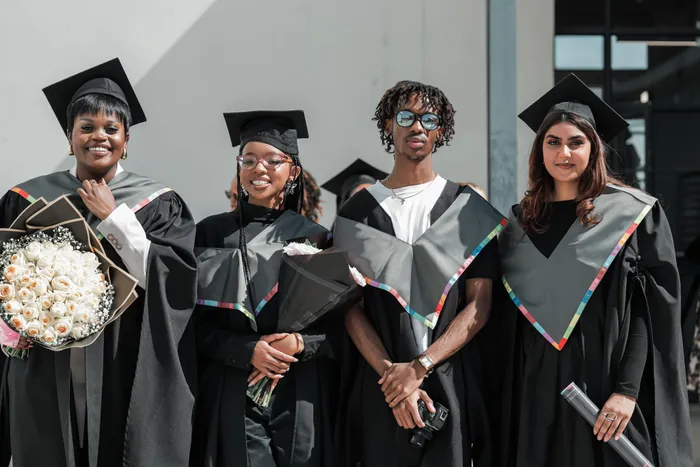
High fees and other constraints like limited space and additional costs for accommodation and transport mean the traditional route to success in South Africa remains inaccessible for many. This shift is driving a transformation in how young people today approach their educational and career paths.
Image: Supplied
For generations, the blueprint for success in South Africa has been clear: achieve a matric certificate, pursue a university degree, and secure a stable career. However, this long-standing narrative is increasingly breaking down in the face of economic realities that many young South Africans encounter. The constraints of limited space, soaring tuition fees, and additional costs such as accommodation, transport, and relocation have rendered this traditional route inaccessible for many families. This shift is driving a poignant transformation in how young people today approach their educational and career paths.
As Estelle van der Westhuizen, Sales and Marketing Manager at Chartall Business College, explains, financial constraints are a significant barrier. “Funds are one of the biggest challenges,” she says. “Many students simply cannot afford university fees, so they start looking for alternatives that are more affordable.” As the government imposes fee caps, public universities continue to raise tuition by over 4% annually, with undergraduate programmes costing between R62,000 and R110,000 — plus living expenses. These staggering figures serve as a wake-up call for aspiring students and their families.
Academic performance also influences access to higher education. Some pupils may not attain the results they aimed for, while others may struggle to secure places in highly competitive programmes. The process of choosing subjects in Grade 10 can further complicate matters and lead students down paths that are not aligned with their true interests. Van der Westhuizen raises a valid concern: “Learners choose their subjects often with a specific career in mind, influenced by expectations rather than their real interests.” This misalignment can leave many feeling trapped in a narrow corridor of options.
Research from Stellenbosch University underscores the magnitude of the issue, revealing that despite years of rigorous school preparation, a significant number of matriculants who meet the requirements for higher education never secure placements. This dire situation has led to a growing recognition of the necessity for alternative post-school pathways.
In light of these barriers, the educational landscape has evolved in favour of more flexible and accessible options, says van der Westhuizen. The notion that success hinges solely on a three-year degree is diminishing, replaced by a host of innovative learning models, including online programmes and shorter qualifications. These alternatives allow students to embark on their educational journeys without the weight of a hefty university degree hanging over them.
These modern educational methodologies are enabling students to 'start small and build big.' Rather than committing to a full degree from the outset, learners can enrol in higher certificates, vocational courses, and micro-credentials. Van der Westhuizen elaborates, “These programmes allow learners to start building qualifications in smaller, manageable steps.” This stackable learning approach means that vital knowledge accumulated over time remains relevant and can contribute to a full qualification in due course.
Moreover, programmes that facilitate simultaneous study and work are gaining traction, catering to the realities faced by many South Africans. “Many people cannot afford to study full-time,” notes Leigh-Ann Revill, Principal and CEO of Chartall Business College, while emphasising how part-time education enables students to apply theoretical knowledge in practical, real-world settings. These vocational programmes often link education directly to specific careers, offering students a functional and marketable skill set much sooner than traditional degree pathways.
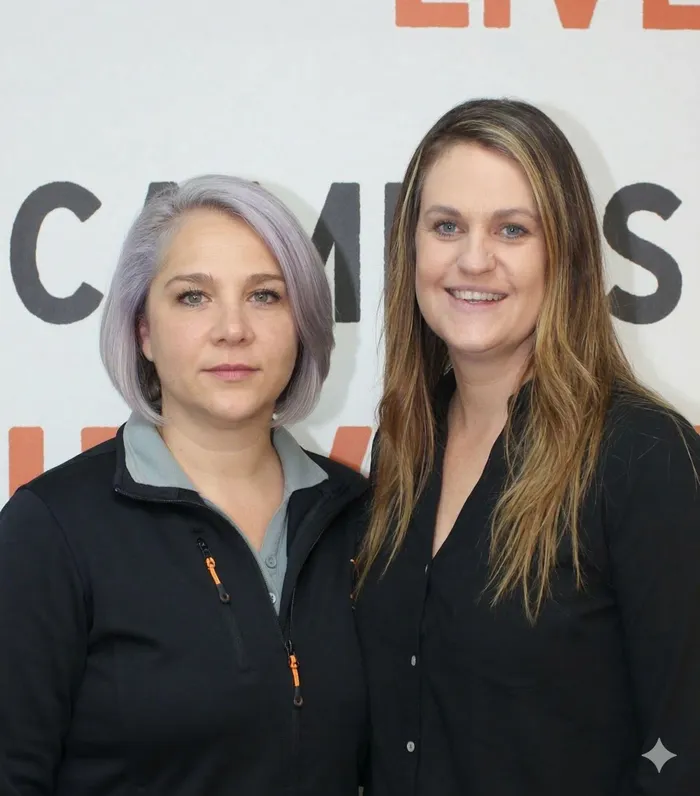
Estelle van der Westhuizen, Sales and Marketing Manager at Chartall Business College, left, and Leigh-Ann Revill, the Principal and CEO.
Image: Gemini
It’s crucial for stakeholders — parents, educators, and the students themselves — to acknowledge that a university degree is not the sole measure of success. The introduction of shorter, focused certificates and flexible learning models not only empowers school leavers to start working sooner but also allows them to continue their education throughout their careers. “There are more options than just going straight into a three-year degree,” says Revill, encouraging students to explore. “You can start with a one-year certificate, get a job, earn an income, and keep studying as you go.”
The shift in perception surrounding education is profound; learning is no longer confined to a single phase after school but is an ongoing journey shaped by a rapidly evolving world. For South African school leavers, this transition carries significant promise — a chance to carve their paths towards meaningful careers, unbound by the traditional constraints of university education. One thing is certain: success does not have to begin with a degree; it begins with taking the first step into an expansive world of opportunities.
IOS