
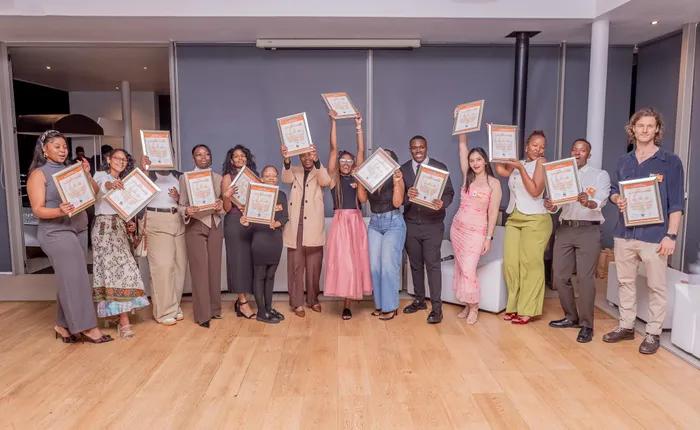
The class of 2026: The latest graduates of a WWF internship programme that helps young people kickstart their environmental careers at a valedictory event in Cape Town in March.
Image: WWF South Africa.
In a country where environmental integrity faces a myriad challenges, WWF South Africa stands at the forefront of cultivating the next generation of green professionals. For the past 15 years, the organisation has been running the Environmental Leaders Graduate Internship Programme, a vital initiative designed to bridge the gap between academia and the professional world for recent Honours and Master’s graduates.
This structured, 12-month programme not only provides paid internships but also equips young professionals with essential hands-on experience, extensive professional training, and invaluable networking opportunities. This comprehensive approach is set against a backdrop of significant skills shortages within South Africa's environmental sector, making the programme crucial for fostering the experts necessary to protect and conserve the nation’s rich biodiversity.
Every two years, WWF South Africa selects a new cohort of graduates to participate in this immersive experience, where diverse skill sets are put to use in a variety of roles. Interns are placed within a wide spectrum of disciplines, ranging from traditional conservation roles to emerging fields such as economics, green engineering, and sustainable architecture. This broad focus reflects the evolving nature of environmental work, ensuring that the internship remains relevant to modern challenges.
Among the strengths of the Environmental Leaders Programme is its commitment to collaboration. Over the years, WWF South Africa has partnered with some of the country's most esteemed organisations. Interns have had the opportunity to work with institutions like SANParks, the South African National Biodiversity Institute (SANBI), the Two Oceans Aquarium, Sustainable Energy Africa, and the Wildlands Conservation Trust. These partnerships provide interns with critical insights into their chosen fields while helping to build a collaborative community dedicated to environmental sustainability.
The programme has also enjoyed robust financial support from key sponsors, including the WWF Nedbank Green Trust, which has been backing the initiative since 2013. Other contributors, such as Barloworld and WWF’s Japan office, have also played a vital role in ensuring its success. This financing allows WWF South Africa to continue investing in the future of environmental leadership.
The latest cohort, now nearing the completion of their internships, exemplifies the rich diversity of South Africa’s academic landscape, with graduates coming from various universities. Their expertise spans critical areas including taxonomy, climate science, and environmental law — fields all crucial to tackling the pressing ecological concerns facing the nation.
As these young professionals prepare to embark on their next career journeys, WWF South Africa's Environmental Leaders Graduate Internship Programme remains a key player in equipping them to confront contemporary environmental challenges. By empowering a new generation of environmentally conscious leaders, the programme not only nurtures talent but also significantly strengthens South Africa's ability to respond to its most urgent ecological issues.
IOS