
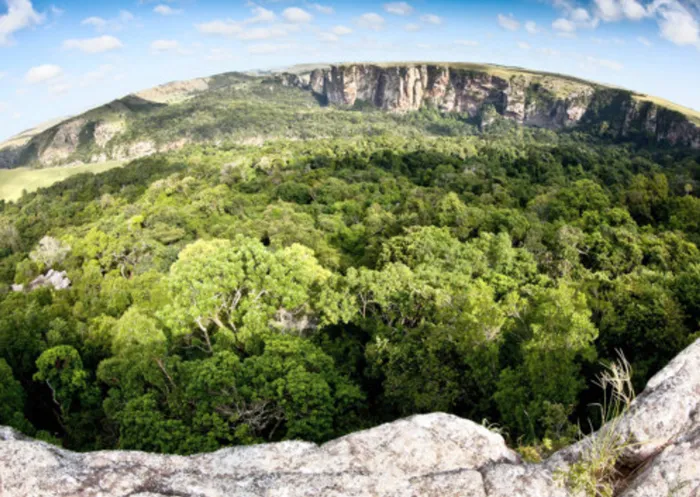
Mkambati Nature Reserve has achieved a monumental milestone by becoming the Eastern Cape's first Ramsar site, highlighting the critical importance of wetlands to South Africa’s ecology, community livelihoods, and future sustainability.
Image: File
In a celebration of both natural heritage and global co-operation, the Mkambati Nature Reserve has officially been designated as South Africa's first Ramsar site in the Eastern Cape. The announcement came during a keynote address by Narend Singh, Deputy Minister of Forestry, Fisheries and the Environment, who underscored the vital role wetlands play in sustaining environmental, economic, and cultural health.
The Ramsar Convention on Wetlands, established in 1975, is the world's first international treaty dedicated to the conservation of these critical ecosystems. Wetlands, which are areas where water covers the soil either permanently or seasonally, are recognised for their indispensable role in maintaining biodiversity, providing clean water, and supporting livelihoods.
“Today we have come together to celebrate an important achievement — the designation of Mkambati Nature Reserve as the first Ramsar site in the province of the Eastern Cape,” Singh declared during the ceremony. “This achievement signifies that Mkambati’s wetlands possess unique ecological, cultural, and socio-economic values that deserve international recognition.”
Nestled along the stunning Wild Coast, Mkambati is home to a distinctive array of flora and fauna, including species found nowhere else on Earth. The reserve features rare swamp forests and multiple estuaries, making it a unique ecological treasure. Additionally, it is one of the few locations worldwide where waterfalls cascade directly into the sea, enhancing its allure.
The importance of Mkambati’s wetlands extends beyond local biodiversity. Through rigorous monitoring by the Department of Water and Sanitation, findings revealed that the waters flowing through this area remain exceptionally clean, with the wetlands in optimal condition — a rare status in a country where wetlands continue to face degradation from pollution and development pressures.
Singh acknowledged the growing threats to these vital ecosystems, stating, “We have found that wetlands and estuaries are the most threatened and least protected ecosystem in the country. At a time when they face numerous adversities, it is imperative that we cherish and protect those in good condition.”
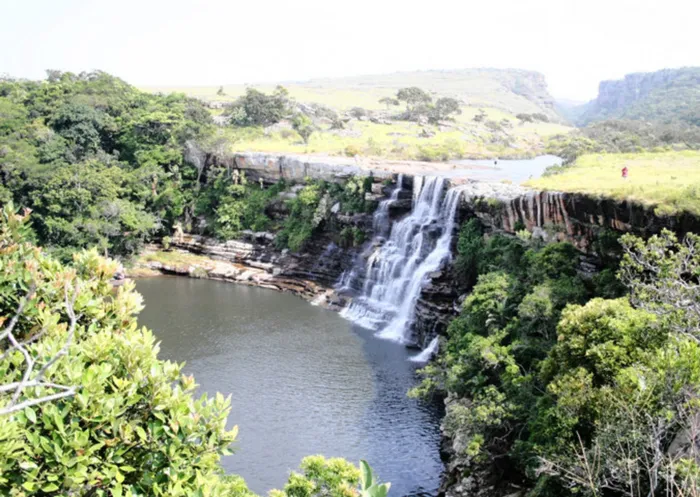
A WATERFALL in the Mkambati Nature Reserve plunges towards unspoiled Wild Coast beaches.
Image: File
The Ramsar Convention promotes a balanced approach to conservation and development. Singh elaborated on the need for sustainable practices, urging stakeholders to manage wetland resources wisely. “This means cleaning wetlands to ensure they are safe for wildlife and avoiding overgrazing, which can damage the soil,” he said. “It is vital that we educate our children about the importance of wetlands so they become future stewards of this precious resource.”
To support economic growth alongside conservation, the government’s Environmental Programmes have restored 1,467 hectares across 37 wetlands in the Eastern Cape alone. Singh announced that R17 million would be allocated for improving infrastructure and visitor access within the Mkambati Reserve, further enhancing its potential for sustainable tourism and community engagement.
The government is also committed to reimagining the Wild Coast region through the Wild Coast Conservation and Development Initiative, a collaborative effort aimed at integrating conservation with local economic development, improving the quality of life for residents while safeguarding ecological integrity.
In recognising the achievement, Singh expressed gratitude to the Mkambati community, the Eastern Cape Parks and Tourism Agency, and various local stakeholders for their continued stewardship and collaboration. Earlier this year, their efforts culminated in receiving the official Ramsar Site certificates from the Ramsar Secretariat in Switzerland, marking an important milestone in the region's conservation efforts.
IOS