
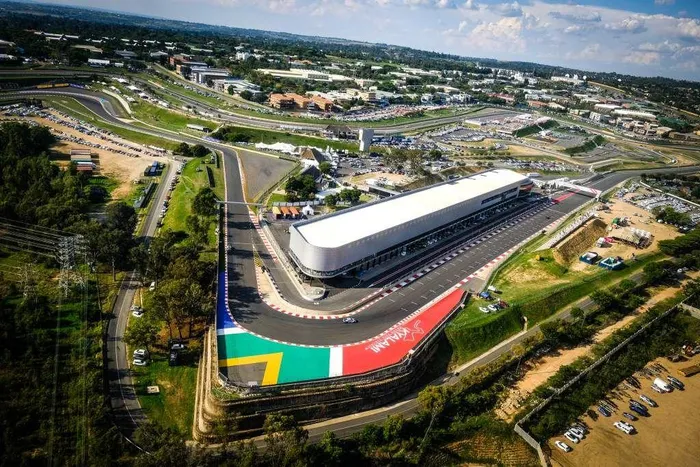
As work begins to achieve FIA Grade 1 status for Kyalami, above, it has renewed conversation surrounding Formula 1’s return to Africa and elevated the hopes of a generation of young drivers, presenting a unique opportunity for South Africa to showcase its prowess in hosting world-class events while igniting a passion for motorsport on the continent.
Image: Supplied
The prospect of Formula 1’s thrilling return to Africa is gaining significant traction, signalling a crucial moment for South Africa to position itself strategically to host a Grand Prix that promises immense sporting and economic value. The conversation has shifted from mere speculation to a matter of urgency as local stakeholders ramp up efforts to align their ambitions towards making this long-awaited event a reality.
First initiated in June 2025, Kyalami's ambitious upgrade plan towards achieving FIA Grade 1 status — the certification required for Formula 1 circuits — has opened a pathway that was once abstract. As the global demand for Formula 1 to return to Africa increases, renewed advocacy from influential figures, such as Lewis Hamilton, whose desire to race on home soil adds momentum to South Africa's push, is palpable.
Wesleigh Orr, founder and head coach of WORR Motorsport, sheds light on the vital importance of that moment beyond just hosting the event itself. “South Africa has already exemplified its capability to stage large-scale events under international scrutiny. The focus should not be on whether we can do it, but rather how to effectively mobilise both public and private stakeholders to make it happen,” he says.
The country’s past successes in hosting significant sporting events provide ample evidence of the potential benefits. The 2010 FIFA World Cup is a standout example, attracting over 309,000 foreign visitors and generating direct tourism revenues exceeding R3 billion. These tangible figures underscore the idea that premium international sports events can lead to substantial economic gains, a sentiment echoed by the recent success of LIV Golf’s inaugural tournament that contributed over R800 million to local economies.
“Major international sport is not just about spectatorship,” Orr says. “It serves as a tourism catalyst, a platform for destination marketing, a job creator, and sends a robust signal to investors. Hosting Formula 1 will undeniably elevate these impacts.”
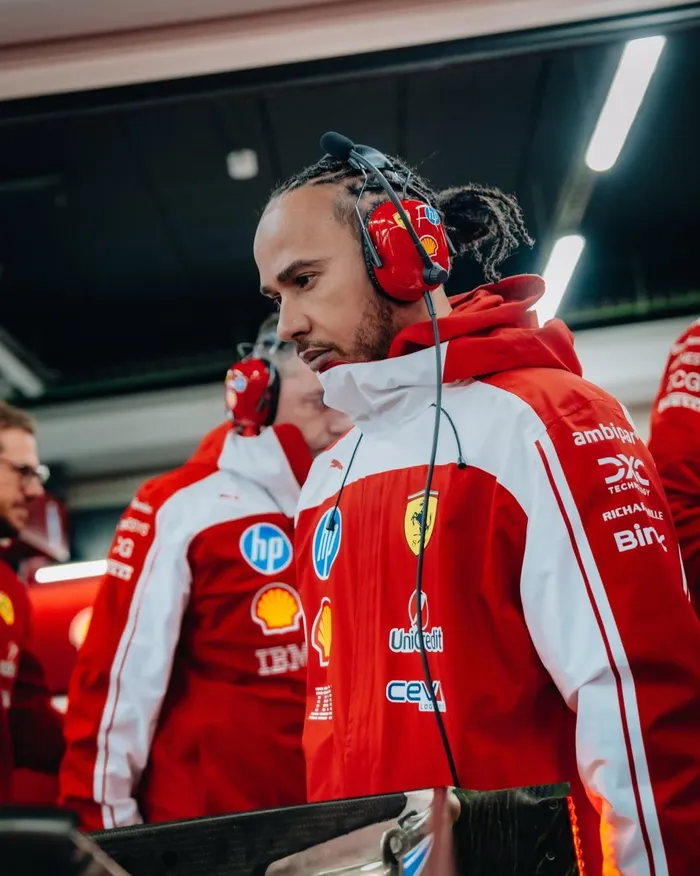
Formula 1 world champion Lewis Hamilton has often shared his vision for a Formula 1 Grand Prix in Africa, expressing his commitment to the continent and the importance of representation in the sport.
Image: Instagram
As discussions evolve from questions of feasibility to tactical execution, the emphasis now lies in the timelines and collaboration necessary for successful implementation. Kyalami’s road to compliance has never been clearer, paving the way for South Africa to take advantage of this golden opportunity.
However, Orr highlights another critical aspect — what Formula 1’s return could signify for young South Africans and Africans aspiring to compete in elite motorsport. Today, aspiring racing talents from the continent often face barriers that prompt them to seek opportunities abroad. The absence of Formula 1 in Africa for the past three decades — last hosted in 1993 at Kyalami — exemplifies the disconnect for young drivers who view top-tier racing as something “other” rather than a viable aspiration in their own backyards.
“When Formula 1 remains exclusively overseas, it creates a narrative that the pinnacle of the sport is unattainable for many here,” Orr points out. “A return to Africa would serve as a tangible marker, making aspirations more attainable and elevating local dreams.”
For South Africa's vital development pipeline in motorsport, a Formula 1 event would validate and strengthen grassroots programmes, offering hope and inspiration to the next generation. WORR Motorsport is already investing heavily in fostering local talent through structured coaching and development initiatives. Orr underscores that when Formula 1 returns, African drivers should be central to the narrative.
“Our commitment is to ensure that when the event comes back, African drivers are part of that story,” he says, advocating for sustained development that connects ambition with actionable opportunities.
Orr envisions the opportunity transcends merely hosting a race; it embodies an industry ripe for creation — one that facilitates greater involvement of African individuals in various roles, from drivers and engineers to operational positions within the larger Formula ecosystem.
“This is not solely about bringing a race to South Africa. It involves fostering an entire ecosystem that empowers young Africans to believe in the feasibility of pursuing careers in Formula-level racing,” he concludes.
IOS