
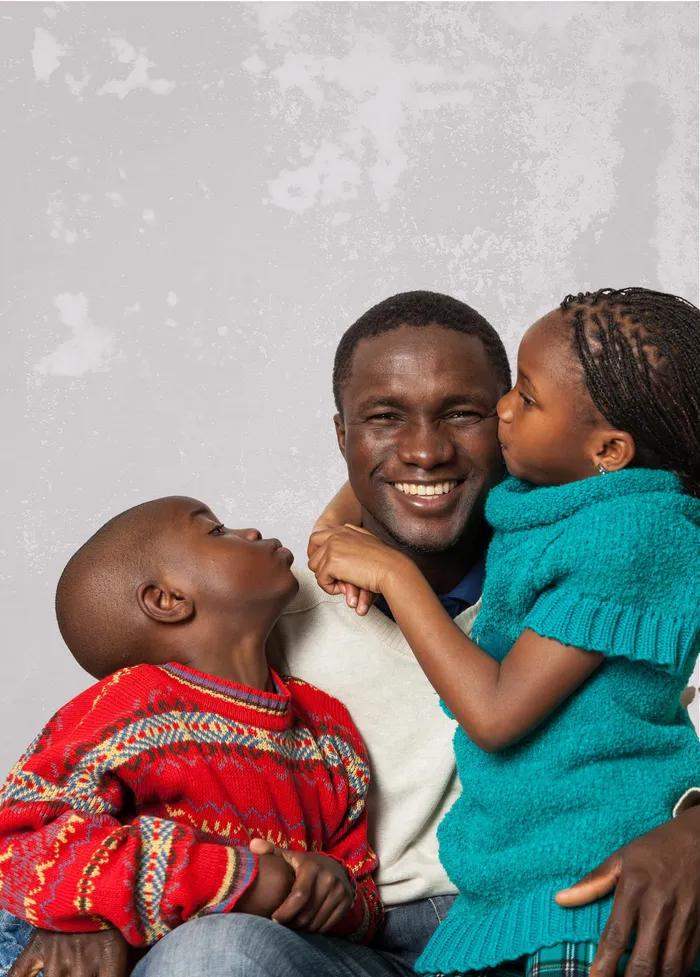
In a society grappling with violence, nurturing the next generation through the active involvement of fathers and father figures can ensure that children grow up in environments where love, respect, and healthy expressions of strength prevail.
Image: Supplied
In the shadows of a hijacking that nearly cost him his life, Themba Dlamini reflects on a haunting memory — the youth of the attackers. “Young enough to be my classmates. Young enough to still be someone’s sons,” he recalls, raising the question: “Where were their fathers?”
Dlamini, a devoted husband, father of four, pastor, chartered accountant, and author of the memoir Village Boy: A Memoir of Fatherlessness, believes this question encapsulates the essence of the Heartlines’ Fathers Matter programme. The initiative calls for a comprehensive national dialogue about the crucial role fathers and father figures play in cultivating safer, healthier communities.
A recent report from the Fathers Matter initiative posits that the roots of violence do not originate in weaponry but silently take root in the emotional landscapes of children. “Violence can look sudden, like someone snapped,” explains Dlamini, highlighting that such acts often evolve from unaddressed anger and shame. “It usually grows quietly — in anger that is never named, in shame that is never softened, in boys who were never shown what to do with their strength.”
In South Africa, societal responses to violence predominantly revolve around enforcement and crisis intervention. However, Heartlines advocates for a preventive approach that harnesses the power of positive fatherhood to dismantle these cycles of harm.
The impact of absent father figures significantly heightens children's susceptibility to violence, influencing their roles as both victims and, occasionally, perpetrators. Research indicates a correlation between father absence in South Africa and elevated incidents of gender-based violence. “When the father is not there, children become resentful, they carry anger,” expressed a child involved in the foundational Heartlines research.
Children lacking a positive male presence suffer in various ways, including feelings of abandonment and diminished self-esteem, which can propel them towards risky behaviours such as substance abuse and gang associations. “Men do not wake up one day and decide to be violent. They are formed,” Dlamini says, pointing to the vital lessons of strength and restraint imparted through everyday interactions.
The Fathers Matter campaign recognises that the conversation must extend beyond men. Mothers, caregivers, and the wider community are essential in shaping the environments that foster healthy child development. “Women’s voices matter in this conversation,” says Zamabongo Mojalefa, project director at Heartlines. “The way conflict, anger, and relationships are handled in the home shapes what children come to see as normal.”
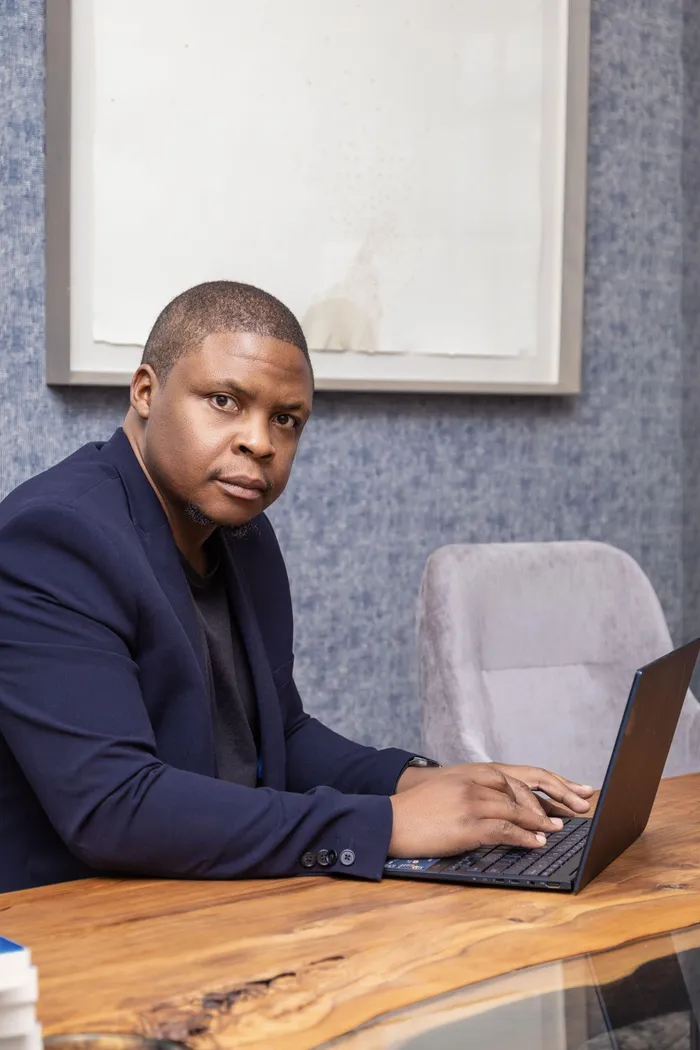
Themba Dlamini is author of Village Boy: A Memoir of Fatherlessness, a pastor and father of four, whose own experience of fatherlessness and surviving a hijacking has shaped his perspective on the role fathers and positive male figures can play in shaping how boys understand anger, conflict, identity and relationships.
Image: Supplied
Heartlines acknowledges the multifaceted realities surrounding father absence, which can be attributed to historical and socio-economic factors like migrant labour, poverty, and unemployment. “This is not about blame,” Dlamini states. “It is about invitation. A child does not need a perfect father. They need presence — someone who stays.”
The Fathers Matter children’s research reveals that positive male role models can also provide the necessary support when biological fathers are absent. Uncles, coaches, teachers, and mentors can significantly influence a child’s development.
Through the Fathers Matter programme, Heartlines offers practical resources and support to foster stronger relationships between men and children. Tools such as the Fathers Matter Coach WhatsApp platform, workshops, and accessible materials are designed to bolster positive fatherhood and mentorship.
“We do not need fewer men,” Dlamini says. “We need more men who stay.”
IOS