
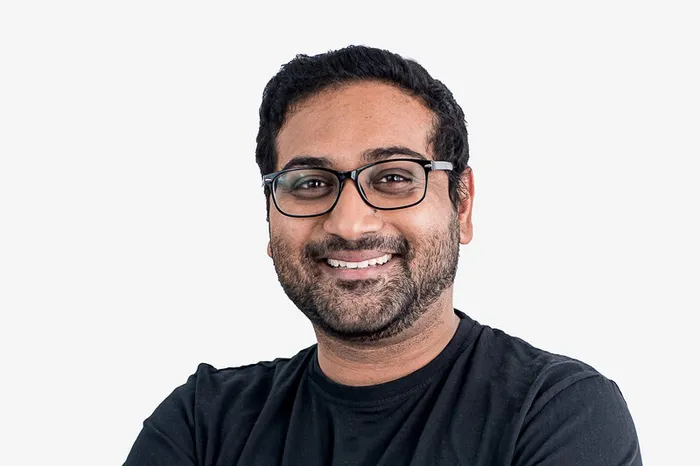
University of Cape Town scientist Dr Mubeen Goolam has earned a top Harvard Fellowship for groundbreaking stem cell research.
Image: Supplied
In a remarkable achievement for South African science, Dr Mubeen Goolam, principal investigator of the Stem Cell Modelling of Development and Disease Group at the University of Cape Town (UCT), has been awarded the highly esteemed Harvard Radcliffe Institute Fellowship for the 2026-2027 academic year. This accolade is not just a recognition of his scientific prowess, but also underscores the significance of integrating diverse perspectives into the rapidly evolving landscape of global biotechnology.
The year-long fellowship offers Dr Goolam a unique platform to pursue an interdisciplinary project that aims to shape the future of stem cell research in Africa. The Radcliffe Institute, known for its commitment to fostering a diverse array of scholarship and artistic expression, invites leading thinkers worldwide to collaborate, engage, and innovate in their respective fields.
“This fellowship is a really valuable professional milestone for me. It recognises not just my scientific work, but also highlights the importance of ensuring that emerging technologies develop in ways that are globally inclusive and socially responsive,” Dr Goolam said. Hailing from South Africa, he views his ability to contribute African perspectives to international science discussions as particularly meaningful.
At the heart of Dr Goolam's fellowship project, titled “Anticipating futures: Developing equitable policy guidelines for stem-cell-based organoids in Africa,” lies an urgent need to develop practical policy frameworks for organoid research across the continent. Organoids, stem-cell-derived models that are revolutionising biomedical research, hold transformative potential for personalised medicine. However, much of the regulatory discourse around these technologies has emerged outside Africa, often neglecting the region's unique context and stakeholder needs.
“Organoid research sits at the crossroads of science, policy, ethics and society. So, being able to engage with experts from different fields while on this fellowship will be invaluable,” Dr Goolam said. His goal is not merely to advance scientific knowledge, but to ensure African nations play an active role in shaping their own narratives in the biosciences landscape.
The fellowship will enable Dr Goolam to devise a framework that prioritises equity, inclusion, and African leadership in organoid governance. By integrating scientific evidence, evolving international policy frameworks, and direct engagement with local stakeholders, his initiative aims to produce guidance that can assist governments, research institutions, and universities in harnessing the potential of stem-cell technologies responsibly.
Ultimately, Dr Goolam envisions his work as future-facing. “Many countries are only beginning to consider the ethical and policy implications of organoid science now. Africa has the opportunity to engage proactively rather than reactively,” he said. He believes that this proactive stance can contribute to more inclusive global scientific systems while bolstering the region's capacity in cutting-edge biomedical research.
As Dr Goolam embarks on this prestigious fellowship, his work promises to not only advance the field of stem cell research but also empower Africa in the global scientific community, ensuring that the continent is not just a consumer of technology but an influential contributor to its development and governance.
IOS