
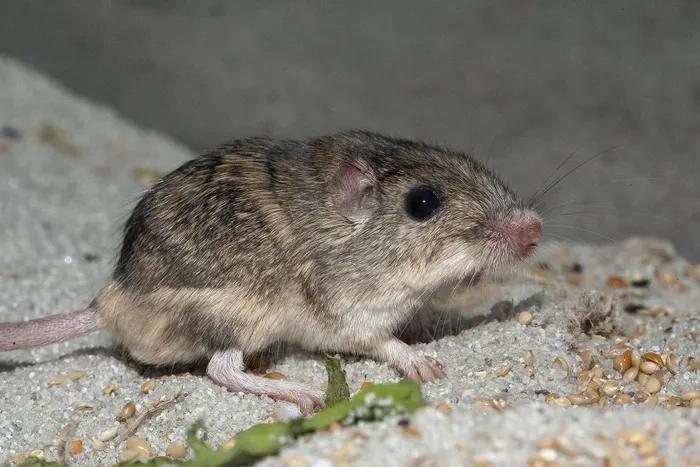
In a significant conservation breakthrough, researchers have revealed how training pregnant Pacific pocket mice to fear predators can enhance the survival instincts of their daughters.
Image: San Diego Zoo Wildlife Alliance
In a groundbreaking study, conservationists have unlocked a potential method to bolster the survival instincts of endangered species by training expectant mothers to fear their predators. This novel approach, demonstrated with the critically endangered Pacific pocket mouse, could significantly enhance the chances of survival for offspring born into captivity before their release into the wild.
As wildlife conservation strategies evolve, the need for young animals raised in captivity to navigate threats effectively has become paramount. The Pacific pocket mouse (Perognathus longimembris pacificus), listed as critically endangered on the IUCN Red List and safeguarded by the US Endangered Species Act, has become a focal point for this innovative research. Led by Dr Debra Shier from the San Diego Zoo Wildlife Alliance, the researchers focused on how maternal behaviour impacts offspring when it comes to predator recognition.
Traditional antipredator training methods involve exposing young animals to simulated threats, helping them associate predators with aversive stimuli. Yet, these methods can be labour-intensive, time-consuming, and vary in effectiveness. The research team demonstrated that training pregnant female mice, rather than the offspring directly, may yield better outcomes, setting the stage for a new conservation strategy.
In this controlled study, Shier and co-author Dr Catherine T.Y. Nguyen worked with 22 pregnant Pacific pocket mice in their second gestational phase. Half of the females were exposed to a live kingsnake — the natural predator of the species — accompanied by unpleasant stimuli in a testing environment. The rest of the pregnant mice were used as a control, exposed instead to a rope of similar length to the snake without additional stressors.
The results were striking. When tested, daughters born to predator-trained mothers exhibited heightened vigilance behaviours — such as scanning the environment and freezing in the presence of a snake — compared to their counterparts from the control group. Interestingly, male offspring did not exhibit the same learned behavioural change, raising questions about sex-specific responses to maternal influences.
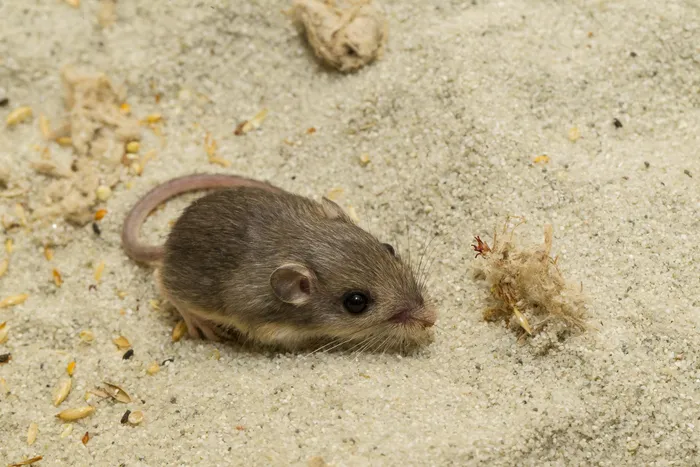
Work by researchers at the San Diego Zoo Wildlife Alliance could change the future of reintroduction programmes for endangered species, equipping offspring born in captivity with crucial skills for survival in the wild.
Image: San Diego Zoo Wildlife Alliance
“Here we show, for the first time in an endangered mammal, that predator training of pregnant mothers can influence how their offspring respond to predators later in life,” said Dr Shier. “The findings suggest maternal experiences shape offspring behaviour in ways that could be useful for conservation breeding and reintroduction programmes.”
While the study did not find a clear survival advantage for the female offspring after release, the authors urge caution in interpretation, considering the small sample size and the prior exposure to predator stimuli. This research opens the door to a deeper understanding of prenatal programming, where stress hormones experienced during pregnancy might alter offspring behaviour before birth. Additionally, the nurturing behaviours adopted by mothers following the training could shape the development of their pups postnatally.
This innovative study not only offers fresh insights into the rearing of critically endangered species, but also reinforces the importance of maternal influence in the animal kingdom. As conservationists continue to refine their methods, the findings from this research may provide pivotal strategies for improving the survival rates of species like the Pacific pocket mouse in an increasingly perilous world.
IOS