
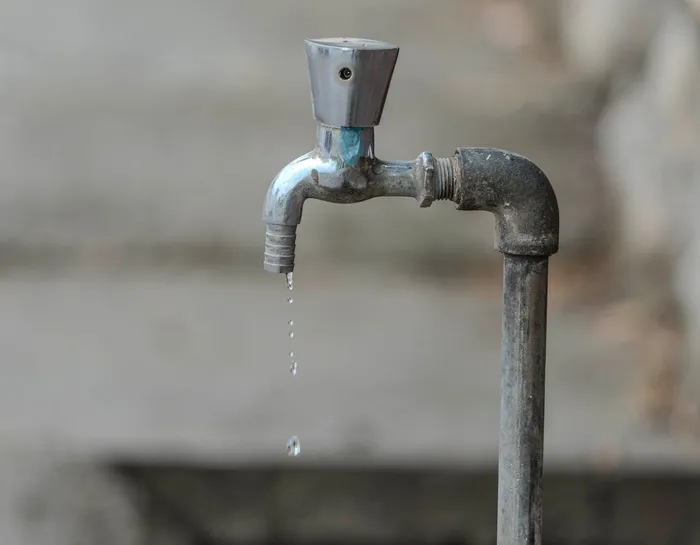
Southern Africa may face Day Zero-like conditions.
Image: Pexels
Residents in Cape Town remember Day Zero all too well: the empty reservoirs, dry taps and lining up for water were a reality for many in 2018. But it could come back, and this time, Cape Town will not be the only city affected.
A study published in Nature Communications warns that Southern Africa is emerging as a primary hotspot for unprecedented, human-induced water scarcity, which could make "Day Zero" a daily and permanent reality rather than a one-off crisis.
The research, titled 'The first emergence of unprecedented global water scarcity in the Anthropocene', introduces a terrifying new metric: "Day Zero Drought" (DZD).
Unlike traditional droughts caused merely by a lack of rain, a DZD is a "compound extreme event" triggered by the simultaneous collision of prolonged rainfall deficits, depleted river flows, and skyrocketing water consumption.
While Cape Town narrowly avoided total collapse in 2018, the study predicts that Southern Africa is now on a trajectory where water stress may become permanent because the droughts will last longer than the recovery periods between them.
The most alarming finding for the region is the "waiting time" between crises. The study reveals that for many high-risk regions, the duration of these unprecedented droughts will eventually exceed the time available to recover from them.
"The length of time between successive DZD events is shorter than the duration of DZD, limiting recovery periods and exacerbating water scarcity risks," the authors note.
In Southern Africa, specifically, the data projects a "persistent increase in severe multi-year drought" throughout the 21st century. This indicates a shift toward a state where reservoirs and aquifers never fully replenish before the next crisis strikes, effectively locking the region into a cycle of permanent water stress.
Using climate simulations, the researchers identified Southern Africa, as well as the Mediterranean regions and parts of North America, as a consistent "hotspot" for these events. The study attributes the timing and likelihood of these disasters directly to human influence with a 99% probability.
The study highlights a divide in how this scarcity will hit the population.
In Southern Africa, rural populations are projected to be disproportionately impacted compared to urban centres. This poses a catastrophic threat to food security, as these areas rely heavily on rainfed agriculture and surface water. However, as global warming hits 1.5°C, urban populations become particularly vulnerable due to density and high demand.
The study also challenges the region’s reliance on dams to mitigate drought. It predicts that 14% of the world’s reservoirs could run dry due to these new DZD conditions.
The authors warn of a "reservoir feedback" loop: building more storage capacity often encourages higher water consumption, which paradoxically increases vulnerability when a mega-drought hits. In Southern Africa, where reservoir dependence is high, this over-reliance could mask the severity of water stress until it is too late to adapt.
While Southern Africa is in the crosshairs, the study estimates that 753 million people globally will be exposed to these Day Zero conditions, with 35% of affected regions facing the emergence of this scarcity as early as the 2020s and 2030s.
IOL