
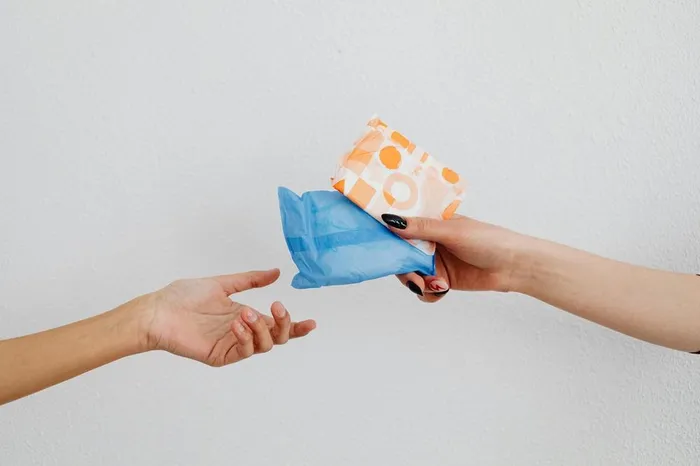
Recent studies reveal the presence of endocrine-disrupting chemicals in some sanitary pads, raising concerns about consumer safety.
Image: Pexels
In the wake of growing scrutiny regarding the presence of endocrine-disrupting chemicals (EDCs) in menstrual products, Sherie de Wet, founder and chief executive officer of Palesa Reusable Pads, argues for greater transparency in product labelling.
This comes after a University of Free State (UFS) study, “The presence of endocrine-disrupting chemicals in sanitary pads: A study done in South Africa”, detected small amounts of EDCs in 16 sanitary pads and seven pantyliners, including some marketed as chemical-free. UFS linked EDC exposure from these products to serious health issues like hormonal imbalances, fertility problems, endometriosis, and reproductive cancers.
On Sunday, Health Minister Dr Aaron Motsoaledi said concentrations of EDCs in menstrual products are low and the findings of EDCs in sanitary pads do not automatically translate into harm in the human body.
De Wet is a passionate advocate for menstrual health and consumer safety. She actively pushes for stronger standards and regulatory accountability, serving on both the International Organisation for Standardisation (ISO) and SA Bureau of Standards (SABS) committees for menstrual products.
She said there are few products on the market that can say there are absolutely no negative side effects.
She highlighted the hundreds of accounts she has received from women reporting irritation, itchiness, and burning, suggesting that official studies may be overlooking the real-world experiences of users.
“Perhaps a preliminary study could involve an online study with women who purchase disposable sanitary products and ask them about the specific brands and if they’ve experienced any irritation and then see,” De Wet said.
De Wet said transparency is critical 'because everybody has a right to know what they are using in and on their body'.
“That is why the products that we use have the ingredients listed and potential allergens listed. And I think transparency is key here. It seems as though the experts are saying that the chemicals that are in the products are normal and are not causing any issues, then they should be listed on the packaging so that users can make their own decision,” De Wet said.
“For many women, when they heard the study, it was more of validation and relief that they were not going crazy, that they were not dirty. It was actually the products that were causing the smell, the irritation, the itchiness, and all of that.
"For those women, they don’t need to go any further. They don’t even need to see the studies. The studies have confirmed that they already instinctively knew about their bodies, that these products were not good for them.”
De Wet, who believes in reusable products, said they are made with durable materials that do not necessarily require a lot of chemicals.
“Things like menstrual cups, menstrual discs, they are made of medical-grade silicone, cloth pads which are made of different kinds of fabrics, the same kind of fabrics that we use in our body anyway. Period panties are also made of fabric. Many women have indicated that as soon as they’ve moved away from disposable products, they’ve experienced immediate relief in terms of itchiness, rashes, smells, irritation,” De Wet said.
thobeka.ngema@inl.co.za