
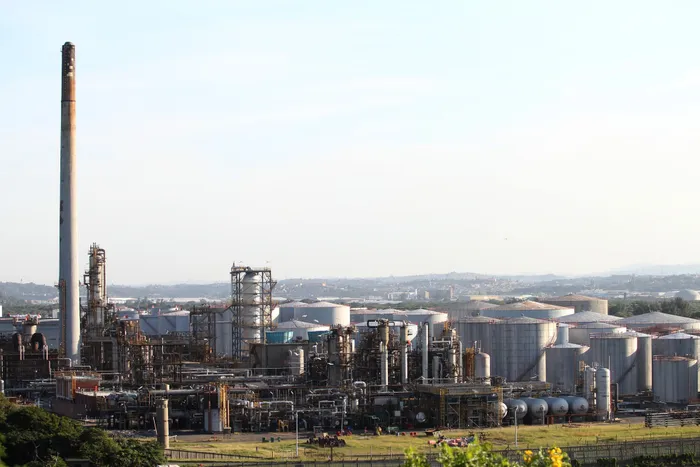
The Central Energy Fund is preparing a report on the future of the Sapref refinery in Durban.
Image: Doctor Ngcobo/Independent Newspapers
Parliament’s Portfolio Committee on Mineral and Petroleum Resources says it has not received a recent update from the Central Energy Fund (CEF) on whether it will meet its March 31 deadline for completing a study into the future of the Sapref refinery in Durban, The Mercury has reported.
The committee last engaged the CEF during an oversight visit in January 2026.
Committee chairperson Mikateko Mahlaule said members are still awaiting clarity on progress since that engagement. The committee is expected to adopt its oversight report next week, based on findings from the January visit. No further briefings from the CEF have taken place since then.
Sapref has become central to discussions about South Africa’s fuel security as global oil prices remain volatile. Lawmakers believe restoring domestic refining capacity is critical to reducing reliance on imports. The refinery is increasingly viewed as a strategic national asset.
Mahlaule said the case for reviving Sapref extends beyond short-term price pressures in international markets. He stressed that strengthening local refining capacity is essential to improving long-term energy security. The committee believes the refinery’s role is now more important than ever.
A more detailed update is expected in May 2026, when the committee meets the CEF Group to consider its plans and budget for the 2026/27 financial year. Sapref is expected to feature prominently in those discussions. The engagement should also clarify how refinery development aligns with plans to transition towards cleaner fuels.
Mineral and Petroleum Resources Minister Gwede Mantashe recently warned that delays in restoring refining capacity could place additional pressure on fuel prices and supply stability. Speaking at the Southern African Oil and Gas Conference last week, he said facilities such as Sapref, the South African Fuel Company and PetroSA must return to operation to complement output from Natref and Astron Refinery in Cape Town.
Mantashe also raised concerns about regulatory and legal obstacles affecting oil and gas development. He said repeated court challenges linked to environmental objections continue to slow progress on projects with potential economic benefits. According to the minister, unlocking these resources could support growth and strengthen energy security.
Independent economic analyst Bonke Dumisa said fragmented oversight of refinery-related entities has historically created opportunities for corruption. He argued that consolidating these structures could improve accountability and reduce the risk of misuse of resources.
Dumisa also supported some of the minister’s criticism of opposition to exploration projects. He said prolonged legal disputes risk delaying investment and limiting the economic benefits that could follow potential oil and gas discoveries in South Africa.
IOL News