
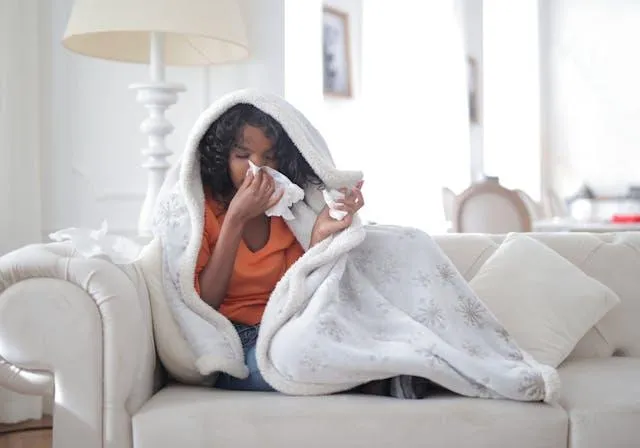
As winter gets closer, prepare your home, health, and finances for winter in South Africa.
Image: Pexels
April is on the calendar, but the mornings already feel like winter. Across South Africa, households are bracing for higher electricity bills, more flu cases, and a growing risk of fires and carbon monoxide poisoning from unsafe heating.
This year, with Eskom having declared a loadshedding-free winter outlook and electricity tariffs continuing their relentless climb, the stakes around smart preparation are higher than ever.
Here is everything you need to know to get your home, your body, and your finances ready before the cold bites.
Every winter, South African homes become killing grounds, not from the cold itself, but from carbon monoxide poisoning and house fires triggered by unsafe heating.
As winter intensifies across South Africa, numerous families rely on heating devices to maintain warmth, but this time of year often brings a rise in tragic incidents such as house fires and carbon monoxide poisoning linked to unsafe heating practices.
Eskom's Senior Manager for Corporate Hygiene and Safety Miranda Moahlodi has a warning that should be pinned to every South African refrigerator this winter.
"It is tempting to shut every window during cold nights, but please leave one slightly open — your life may depend on it," Moahlodi says.
According to emergency medical services provider ER24, Carbon monoxide is odourless and deadly. If you are using a gas heater or fireplace, proper ventilation is non-negotiable.
The symptoms of carbon monoxide poisoning diminish as soon as you leave the affected room, but return as soon as you re-enter, making it easy to miss until it is too late.
Always ensure your appliance carries South African Bureau of Standards approval. Avoid makeshift or homemade heating solutions, and never leave heaters on unattended, especially overnight or while sleeping.
Plug space heaters directly into a wall outlet, never into an extension cord or power strip, which could overheat and result in a fire. Do not plug any other electrical devices into the same outlet as the heater.
Keep all heating appliances at least one metre away from curtains, bedding, furniture, or flammable items.
Gas appliances must be installed correctly according to regulation guidelines. Get a professional installer to handle the installation, incorrectly installed gas appliances increase the risk of gas leaks, fires, explosions, or even fatal carbon monoxide poisoning.
"Never forget the safety of your family and your neighbours, fires can rage out of control quickly," Moahlodi.
Before reaching for the heater switch, consider the free wins. Draughts, unsealed windows, and poor insulation force you to rely on heaters more.
Block gaps, use heavy curtains, and let sunlight warm your space during daylight hours. These cost little or nothing and meaningfully reduce how hard your heating appliances have to work.
This year's flu season is not waiting for the depths of winter. According to the National Institute for Communicable Diseases, the 2026 influenza season started in the week of March 9, 2026, earlier than most recent years.
The 2026 respiratory syncytial virus (RSV) season also started in the same week, meaning clinicians could potentially see a high burden of patients with respiratory illness in the coming weeks.
The dual arrival of flu and RSV simultaneously is a particular concern for parents of young children, the elderly, and anyone with underlying respiratory or cardiovascular conditions.
Individuals at risk for severe illness are strongly encouraged to seek the influenza vaccine from either a public health clinic or privately through general practitioners and pharmacies as soon as possible.
Annual vaccination is needed as the influenza virus is constantly changing and immunity to one vaccine wanes with time. Receiving the vaccine can reduce visits to clinics or doctor's offices, absenteeism from work and school, and prevent influenza-related hospitalisations.
According to Cape Town-based general practitioner Dr Laylah Fayker, influenza spreads through tiny droplets released when an infected person coughs, sneezes, or speaks, and can also be picked up indirectly by touching contaminated surfaces.
Beyond vaccination, the basics remain the most effective tools.
To minimise the transmission of seasonal influenza:
High-risk groups are the elderly, young children, pregnant women, and those with chronic conditions, should prioritise seeing a doctor early if symptoms develop, rather than waiting to see if they pass.
Reduce peak-time usage and run energy-intensive appliances like geysers, dishwashers, and washing machines between 10pm and 6am. Unplug standby appliances as devices still draw power even when not in use, this small habit can shave up to 10% off your bill.
In winter, dress warmly and use blankets to stay comfortable instead of turning up the heat. Use space heaters to warm only the rooms you are using, rather than heating the entire house.
For prepaid users, modern prepaid meters now often come with mobile app integration — allowing you to monitor usage trends in real time, get low credit alerts, set budgets, and identify which times or appliances are spiking your usage.
Winter costs do not arrive in a single bill. They accumulate across electricity, healthcare, food, and clothing.
Financial advisers consistently recommend that South African households build a seasonal buffer into their monthly budgets from as early as February or March, setting aside a fixed amount each month that can absorb the spike in costs from May through August.
If a flu visit to the doctor, a month of heavier electricity use, and a warm jacket are all landing simultaneously, the household without a buffer feels it hardest. The household that planned does not.
Winter in South Africa is manageable, but only for those who prepare.
The risks are real: a house fire from an unattended heater, a flu that develops into pneumonia, an electricity bill that breaks the budget. None of these outcomes are inevitable. All of them are preventable.Get vaccinated.
Check your heaters. Seal your draughts. Set your budget. Winter is coming, and it rewards the prepared.
IOL News