
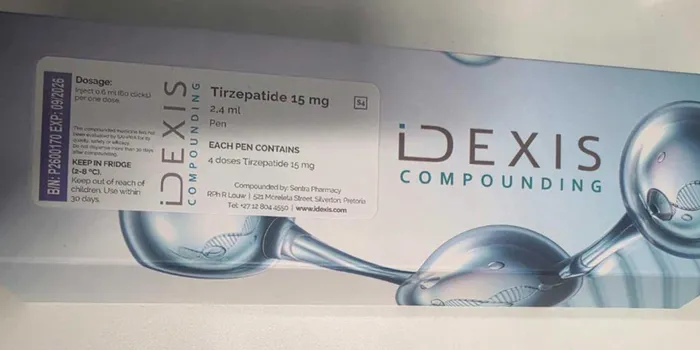
The South African Health Products Regulatory Authority (SAHPRA), working with the South African Pharmacy Council (SAPC), has taken strong action against the unlawful manufacture and distribution of unregistered GLP-1 medicines used for weight loss.
Image: Facebook/SAHPRA
Days after IOL's investigation into South Africa's unregulated aesthetics industry laid bare the dangers lurking beneath the country's booming beauty economy, a fresh regulatory storm is gathering, this time targeting the exploding market for compounded versions of blockbuster weight-loss drugs like Ozempic and Mounjaro.
The South African Health Products Regulatory Authority (SAHPRA), working alongside the South African Pharmacy Council (SAPC), has executed its most significant enforcement action yet in the GLP-1 space, raiding a Pretoria-based compounding pharmacy and seizing an entire stockpile of unregistered injectable products.
The raid has ignited a fiery legal dispute, and experts warn the crackdown signals the beginning of the end for South Africa's largely unregulated compounded weight-loss drug market.
On May 11, 2026, SAHPRA and SAPC conducted a joint inspection at iDexis (Pty) Ltd, trading as Sentra Pharmacy in Silverton, Pretoria. What inspectors found, according to SAHPRA's official media release, was deeply troubling.
The regulator says it found that the company was not merely compounding medicines for individual patients, the legally permissible activity, but was manufacturing and marketing GIP/GLP-1-based products, including semaglutide, tirzepatide, and combination formulations, for broader commercial distribution, particularly for weight management purposes.
SAHPRA's inspection uncovered what it described as "critical regulatory non-compliance," including the illegal importation of active pharmaceutical ingredients (APIs), the absence of analytical testing to confirm identity, potency, and purity, inadequate sterile manufacturing conditions, and a high risk of contamination.
The room used for producing GLP-1/GIP products allegedly did not meet the requirements for aseptically prepared products. Crucially, there was reportedly no pharmacovigilance system in place to monitor or respond to adverse drug reactions, despite SAHPRA noting "reports of adverse events, including hospitalisations, linked to the use of these products."
All GIP/GLP-1 injectable products found on the site were seized, and iDexis was instructed to initiate a full recall of affected products distributed through healthcare providers, pharmacies, and other channels.
SAHPRA CEO Dr Boitumelo Semete-Makokotlela pulled no punches: "SAHPRA will continue to take decisive regulatory and enforcement action against any entity that contravenes the Medicines and Related Substances Act. The unlawful manufacture, importation, advertising, and distribution of unregistered medicines pose a serious risk to public health. We will not hesitate to act to protect patients and safeguard the integrity of South Africa's regulatory system."
The SAPC echoed the warning, with CEO Vincent Tlala stating: "Unlawful manufacturing, promotion, and distribution of unregistered GLP-1 medicines for weight loss is a serious violation of the law and a direct threat to public safety.
"Following the inspection conducted at Sentra Pharmacy, the SAPC will pursue decisive regulatory action against those involved. Pharmacists and pharmacy support personnel found selling, compounding, or distributing these unregistered medicines risk severe disciplinary action, including possible removal from the register. Council will not tolerate any conduct that compromises patient safety or the integrity of the pharmacy profession."
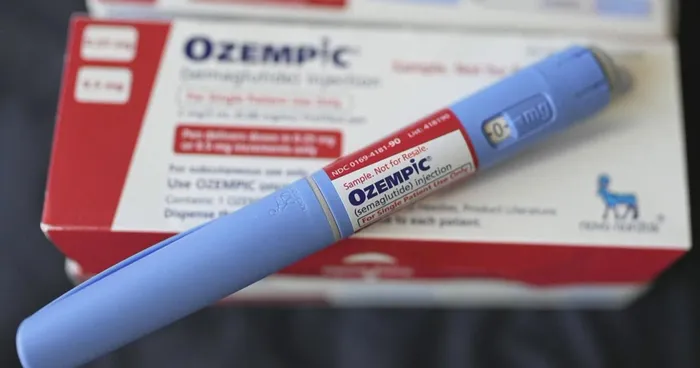
GLP-1 drugs - referring to the hormone that regulates blood glucose levels and appetite, used in the global fight against obesity.
Image: File picture
iDexis is not taking the findings lying down. In a communique addressed to medical and pharmaceutical practitioners, Managing Director Ruaan Louw mounted a vigorous challenge to what he called "the impugned SAHPRA findings," describing them as procedurally flawed and legally challengeable.
"We reiterate and confirm that our compounding processes comply with the requirements of subsection 14(4) of the Medicines Act 1965, the General Regulations published in terms thereof and the Guidelines for Good Compounding Practices (GCP) published by SAHPRA and the Good Pharmacy Practice Guidelines (GPP). We have confirmation thereof from an independent regulatory expert and our legal team, comprising senior and junior counsel, as well as experienced industry attorneys," Louw wrote.
The company also defended the safety of its active pharmaceutical ingredients, stating: "The APIs used to compound our Semaglutide and Tirzepitide (S&T) are sourced from reputable, internationally approved pharmaceutical manufacturers and have been tested in independent analytical laboratories for sterility and quality."
In a striking claim, iDexis insisted it had dispensed its compounded product to over 200,000 patients without incident, writing: "To date we have dispensed our S&T compounded peptide product to 214 406 patients on prescription of their treating clinicians through the practices of their clinicians, or retail pharmacies of choice, without any reports of adverse reactions or conditions, only reports of great success and gratitude being expressed."
iDexis went further, accusing SAHPRA of attempting to improperly influence the outcome of an ongoing court case: "We are of the opinion that the impugned findings of SAHPRA are nothing other than unsophisticated attempts orchestrated to improperly influence the outcome of the court case, especially in the light of the official investigation by SAHPRA launched in 2025 into the desirability of compounding peptides, in respect of which SAHPRA has not published any findings to date."
The matter is scheduled to be heard in the Gauteng High Court in Pretoria on June 10 and 11, 2026.
An industry expert has told IOL that the sales of the peptides are in the hundreds of millions region.
"They are sold at R1,500 per vile. That means they have made over R320 million from the sale of the peptides," said the expert.
The South African crackdown does not occur in isolation. It mirrors an accelerating international push against compounded versions of GLP-1 drugs that exploded in popularity during global shortages of branded products like Ozempic and Wegovy.
Charles Green, a Healthcare and Pharmaceutical expert from commercial law firm Cliffe Dekker Hofmeyr (CDH), says the trend has been building for some time.
"Compounded Glucagon-like peptide 1 (GLP-1) medicines have surged worldwide as demand for weight loss and diabetes treatments continues to outstrip supply. These compounded versions include modified formulations and added ingredients, and some versions are manufactured outside regulated supply chains, making their genetic makeup significantly different from approved registered products."
Green notes that the safety alarm has been loudest in the United States: "The notice from the FDA has raised significant safety concerns, including dosing errors and the circulation of active ingredients sourced from unregistered facilities."
South Africa, he warns, is increasingly in the crosshairs: "While the South African Health Products Regulatory Authority (SAHPRA) has publicly raised concerns on the issue and moved to declare compounded GLP-1's undesirable under section 23 of the Medicines Act, the declaration has not yet been made. Once this happens, these products may no longer be sold in South Africa."
Green's assessment of the trajectory is blunt: "The regulatory direction, both globally and locally, signals a tightening environment for compounded GLP-1 medicine. While these products remain available in South Africa for now, SAHPRA's escalating interventions indicate that prohibition or significant restriction is increasingly likely."
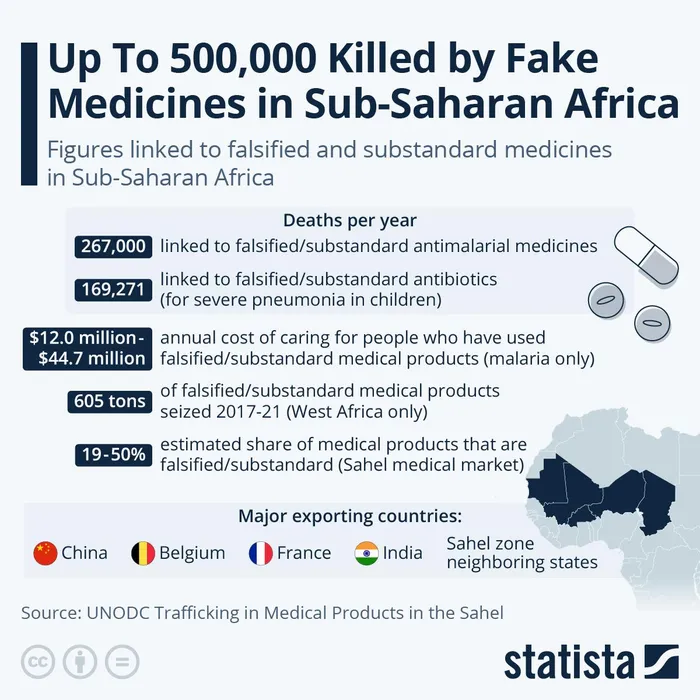
Half-a-million people killed by fake medicines in sub-Saharan Africa.
Image: Statistica
The GLP-1 crackdown forms part of a wider pattern of regulatory failures in South Africa's health and aesthetics industries, the very terrain explored in IOL's original investigation earlier in the week.
The Gauteng Department of Health recently issued a stern warning over the growing use of unregulated injectable substances marketed for body enhancement, following two serious cases of organ failure linked to products obtained through informal channels, highlighting the dangers of underground procedures promoted on social media and sold without medical oversight or safety testing.
Across the broader aesthetics market, experts warn that the market is seeing an escalation in the use of unregulated and counterfeit products, with SAHPRA-unapproved fillers linked to tissue necrosis, permanent disfigurement, and the growth of hard lumps known as granulomas.
It appears that the common thread running through all of it, botched fillers, illegal BBL procedures, and now compounded weight-loss injectables, is a market that has outpaced regulation, fuelled by social media demand, cost-cutting, and a public hungry for accessible treatments.
With the court battle between iDexis and SAHPRA set for June, and a broader section 23 declaration potentially on the horizon that could ban compounded GLP-1s outright, the coming weeks will be decisive for South Africa's compounding industry.
CDH's Green says the stakes extend far beyond one pharmacy: operators across the weight-loss, compounding, and pharmaceutical sectors need to prepare for a fundamentally different regulatory landscape.
For the hundreds of thousands of South Africans who have been using compounded semaglutide or tirzepatide, whether prescribed by a clinician or obtained informally, the message from regulators is unambiguous: consult a healthcare professional and report any adverse reactions to SAHPRA immediately.
The beauty underground is not just about needles and fillers anymore. The drugs are part of it now, too.
karabo.ngoepe@iol.co.za
IOL News