
The ongoing water and sanitation crisis in eThekwini Municipality throughout 2025 and significant budget allocations shape the city's response to its challenges.
Image: File
Issues surrounding water and sanitation (WAS) infrastructure plagued the eThekwini Municipality throughout 2025, with non-revenue water spiralling out of control and sewer leaks polluting rivers, streams, and beaches.
At eThekwini Municipality meetings, the terms non-revenue water (NRW), Water Turnaround Strategy, millions, and billions were used predominantly, either verbally or in projected plans, to try to fix the problem.
The year began with a splash, as the municipality took more than 30 days in January to fix a massive leak on the main water trunk line in Springfield, Durban.
By June, the municipality had recorded water distribution losses of nearly 60%, with over 7,000 water pipe leaks remaining unrepaired.
Adding to the water challenges faced by the municipality was the announcement of water curtailments by the uMngeni-uThukela Water (UUW) until September 2025. The UUW issued a directive to municipalities as a result of over-abstraction from the Umgeni River, and the Water Services Authority (WSA) developed a plan of action for implementation from October 2023 to October 2024.
However, the curtailment period was extended by 12 months to reduce demand within the abstraction permit.
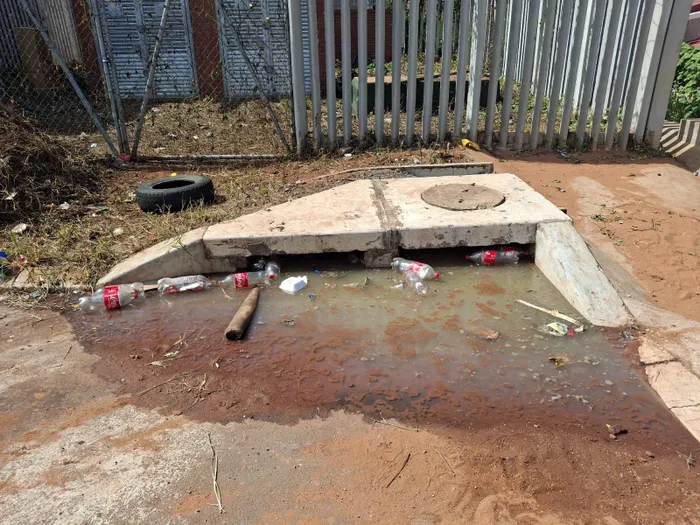
According to ratepayers in Isipingo, the Kanku Road Housing Development did not have a sewer reticulation system. This led to illegal connections to stormwater drains.
Image: Isipingo ratepayers
The municipality pinned its hopes on the substantial R70.9 billion budget for 2025/26, diverting billions to the WAS unit.
Mayor Councillor Cyril Xaba highlighted that the budget's main focus was infrastructure replacement and rehabilitation, alongside implementing trading services turnaround strategies for effective service delivery.
The state of water supply became a regular item at Executive Committee (Exco) meetings, addressing challenges related to water meters, valves, NRW, and plumber capacity, all of which received dedicated budgetary allocations.
Plans were also brought forward for Waste Water Treatment Works (WWTW), with the municipality transparently acknowledging the severe crisis within the sewer network. Environmental concerns resulted in beach closures, negatively impacting tourism.
Operational difficulties persisted, with the city facing problems with its billing system, the contentious infrastructure surcharge fee, and a critical audit report citing a R42 billion mounting debt.
The municipality also depleted its budget for plumbers, and water tanker deliveries temporarily ceased due to a municipal diesel shortage.
The municipality’s inefficiencies spurred the emergence of assertive eThekwini ratepayer associations, including the eThekwini Ratepayers and Residents Association (ERRA) and eThekwini Ratepayers Protest Movement (ERPM). These groups kept city officials on their toes during community consultations, challenging decisions and demanding accountability on tariff increases and service delivery, making it clear that they were the city's funders.
Despite ratepayers arguing against paying for poor service, the annual key tariff adjustments, effective July 1, 2025, were implemented:
Ratepayers relentlessly questioned the spending of their money, particularly challenging the infrastructure surcharge and its two-year extension.
The municipality claimed that the surcharge, which was automatically added to monthly bills, had generated over R600 million for critical water infrastructure. Ratepayers, however, argued that residents were unfairly shouldering the financial burden resulting from historical mismanagement.
A stark example of this frustration was highlighted by the Isipingo Ratepayers and Residents Association regarding the Kanku Road low-cost housing development in Nilgiri Crescent.
Association spokesperson Sunildutt Ramadhar noted that the 330 semi-detached units, built in an affluent suburb with R700 monthly property rates, were not connected to the municipal sewage infrastructure.
This resulted in wastewater flowing into stormwater drains and onto residents' streets and backyards, creating an "unbearable stench" due to technical issues delaying the Kanku pump station connection.
Ramadhar accused the municipality of neglecting its constitutional obligations, citing non-maintenance, lack of capacity, poor water governance, and delays in addressing sewage deposition, adding that torrential rains led to overflowing manholes and sinkholes on four properties.
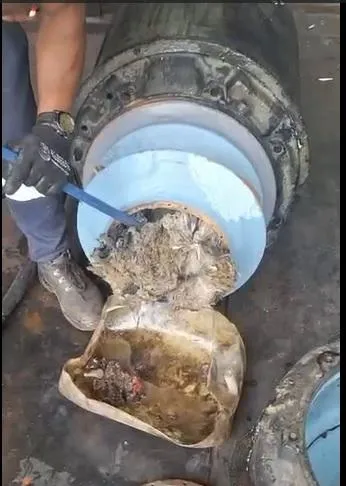
The eThekwini Municipality urged all residents and visitors to dispose of waste responsibly after debris was removed from a pump at the Ohlange Wastewater Pump Station, north of Durban.
Image: eThekwini Municipality
Amid the crisis, legal challenges mounted. ActionSA initiated legal action in November 2022, and the Democratic Alliance (DA) took the municipality to the Pietermaritzburg High Court in June 2023 over the ongoing sewage crisis.
On Thursday, a judgment handed down in the DA's case compelled the municipality to:
ActionSA's judgment is pending.
Looking ahead, the municipality planned a substantial investment of R12.5 billion to R16.5 billion over the next decade to improve the sanitation system, announced in November 2025.
Despite the year's service delivery challenges, the municipality might end 2025 on a positive note for the tourism sector, with a notable increase in December beachfront attendance following municipal repairs to several sewer pump stations, leading to the declaration that beach water was safe for swimming.
The municipality also revealed plans for the development of the Durban Amusement Park by 2027 on the former Durban Funworld site, estimated at R1 billion and fully funded by the developer, aimed at revitalising the Durban beachfront.
zainul.dawood@inl.co.za
The eThekwini Municipality has completed over a dozen major sewer pipe rehabilitation projects in areas such as Umlazi, Pinetown, Tongaat, and Cowies Hill Park.
Image: Tumi Pakkies / Independent Newspapers
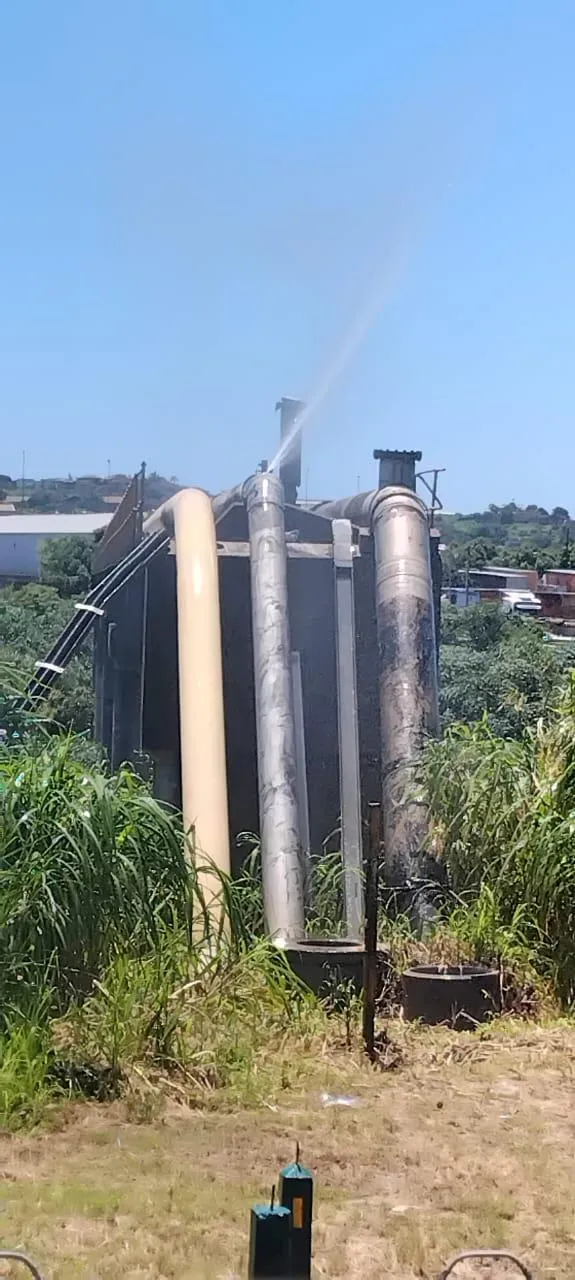
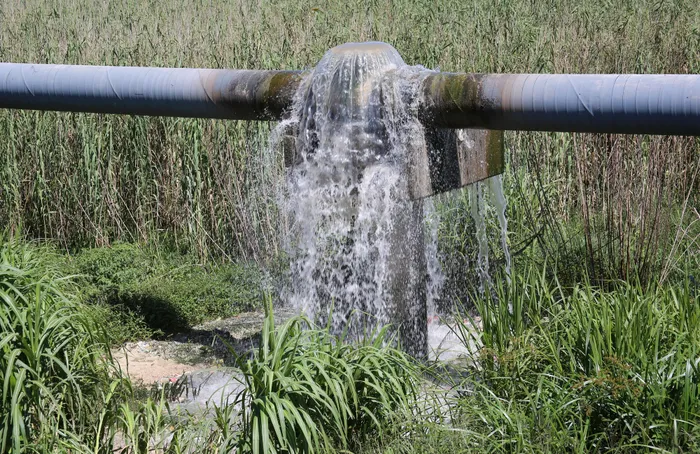
A water pipeline crossing the Umgeni River in Durban. The municipality took approximately a month to repair the leak.
Image: File