
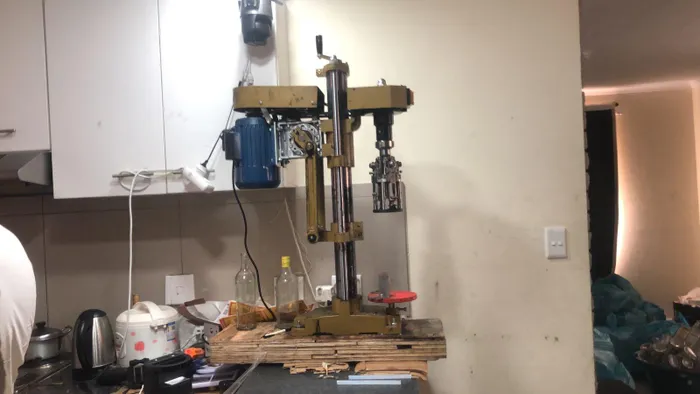
Illicitly manufactured alcohol lacks any form of oversight or quality control. The writer says well-intentioned government taxes are leading to a rise in dangerous underground markets for those seeking a cheap drink.
Image: City
South Africa has one of the highest levels of alcohol consumption per capita in the world, and our government has long used sin tax as a way to tackle the problem. By steadily raising the price of alcohol, the aim is twofold: discourage excessive drinking and generate revenue for public health. But while the intention is clear, the reality is more complicated. As prices climb, demand for cheaper alternatives has surged. This has created fertile ground for the illicit alcohol trade, a shadow market that brings its own dangers, not just for public health but also for workplace safety in high-risk industries such as mining, construction, and transport.
Raising alcohol taxes is not a new idea. However, history shows that restricting access to alcohol rarely eliminates demand - it simply pushes it elsewhere. South Africa is no exception. As mainstream alcohol brands become more expensive, counterfeiters and homebrewers move in to fill the gap.
Illicit alcohol takes several forms. Some products are smuggled into the country without paying import duties, while others are counterfeit versions of well-known brands, while the most dangerous are backyard brews with no oversight or quality control. What they all have in common is a much lower price tag, making them more accessible to workers earning modest wages.
The problem with the trade of unregulated alcohol is not just the loss of tax revenue, it is the complete lack of safety standards. Legitimate producers are required to follow strict processes to ensure that alcohol is safe for consumption. Bootleg producers are not safe.
This is where the danger of methanol comes in. When alcohol is improperly distilled, methanol can be produced instead of ethanol. Both can intoxicate, but methanol is highly toxic, damaging the liver, impairing the memory and even causing blindness. For workers consuming these products, the risks extend far beyond a hangover. They face long-term health consequences that can undermine both their wellbeing and their ability to work.
Large, shift-based workforces with lower pay and limited healthcare access are more likely to turn to cheaper alcohol. Unfortunately, these are also the industries where safety risks are greatest. A miner or construction worker under the influence endangers colleagues, while an impaired truck driver threatens other road users. Because illicit alcohol is stronger and cheaper, workers may drink more often and in higher volumes than they would with regulated products.
Workplace breathalysers are a crucial safeguard. Whether the alcohol is legal or illicit, the technology detects intoxication before a worker enters a hazardous environment. Since both ethanol and methanol register in breath analysis, no form of consumption escapes detection.
Consistent, daily testing does more than just catch workers who arrive intoxicated. It changes behaviour. Employees who know they will be tested every morning are less likely to drink heavily the night before. Over time, this can reduce overall alcohol consumption, cut down absenteeism, and even free up household income that would otherwise be spent on alcohol. Breathalysers are an important tool, but they are most effective when combined with broader safety measures. Companies can educate workers about the dangers of illicit alcohol, offer Employee Assistance Programmes (EAPs) that provide support for those struggling with dependency without fear of immediate punishment, and implement clear alcohol policies that encourage accountability while supporting recovery. Together, these steps promote a culture where workplace safety goes beyond compliance and genuinely protects employees’ wellbeing.
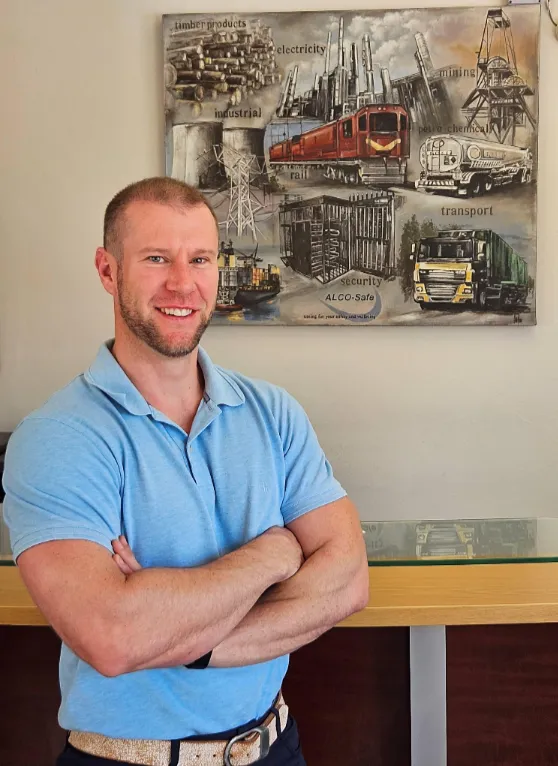
RHYS Evans is the managing director of ALCO-Safe.
Image: SUPPLIED
Sin tax serves an important purpose, but it comes with unintended side-effects. The rise of illicit alcohol is a pressing challenge, particularly for South African workplaces where safety is non-negotiable. While employers cannot control the price of alcohol or the spread of illicit products, they can control how they respond. By investing in breathalyser testing, awareness programmes, and support structures, enterprises can reduce the risks associated with illicit alcohol and protect both their employees and their operations. In an environment where alcohol consumption is unlikely to disappear, proactive workplace measures are the best defence.
Rhys Evans is Managing Director at ALCO-Safe
The views expressed do not necessarily reflect the views of IOL, Independent Media or the Independent on Saturday.