
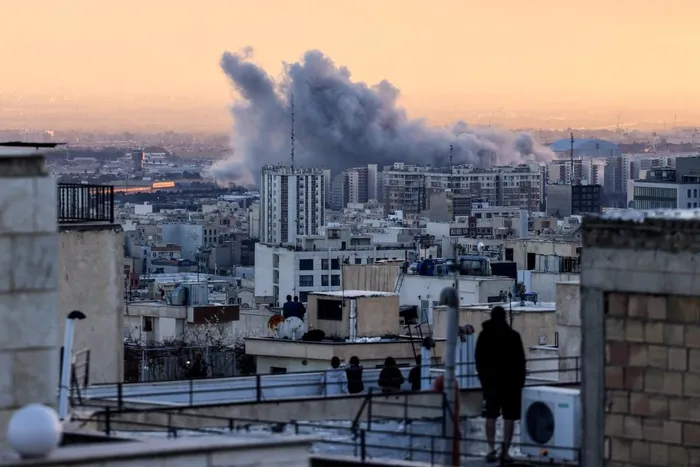
As global markets feel the effects of the Iranian conflict, fears over inflation reshape investment strategies. AThe skyrocketing price of oil will force us to reconsider our energy priorities.
Image: Atta Kenare
The escalating conflict between the United States, Israel, and Iran may be unfolding thousands of kilometres away, yet its tremors are being felt acutely at South African fuel pumps.
Following the targeted strikes in Tehran and subsequent regional instability, Brent crude has surged to $90 a barrel, triggering immediate and substantial hikes in diesel prices. For a nation already grappling with a punishing cost of living, this geopolitical shock represents a profound threat to domestic stability and any hope of a swift economic recovery.
The current volatility of global energy markets exposes South Africa’s precarious reliance on imported crude and refined petroleum. As transport costs rise, the "ripple effect" identified by economists becomes a grim reality for the country’s most vulnerable. From daily commuters to informal traders, the increase is not merely a logistical hurdle but a direct tax on survival.
Agriculture and logistics are particularly exposed; rising fertiliser costs and transport overheads will inevitably translate into higher food inflation, effectively reversing recent gains in consumer relief. This pressure is further compounded by the recent 21-cent increase in domestic fuel levies, a burden that many financially stretched households simply cannot absorb.
The broader economic implications are equally sobering. While current oil prices remain below the historical extremes of 2008, the prevailing uncertainty is likely enough to halt anticipated interest rate cuts. The South African Reserve Bank must now navigate a landscape where inflationary pressures are imported, complicating monetary policy and stifling growth.
However, this crisis should serve as a definitive wake-up call for structural reform. The persistence of geopolitical risk necessitates an urgent shift toward economic resilience. South Africa must accelerate its transition to renewable energy, secure strategic fuel reserves, and diversify supply chain routes. While consumers are urged to spend wisely and avoid panic, the state must prioritise long-term energy independence. In an era of persistent global friction, we must build a domestic economy capable of weathering international storms, or remain forever hostage to conflicts beyond our control.