
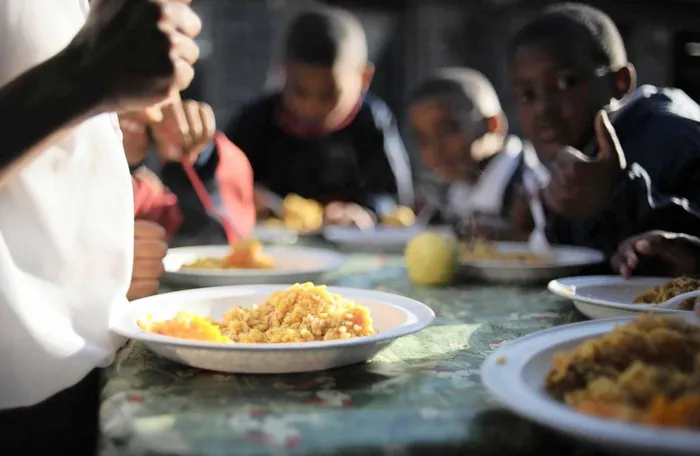
Human Rights Day provides the country the opportunity to reflect on the significant strides made in children’s rights, while recognising the urgent need for focused action. The writer says addressing the gaps in early childhood education and broader social services can reshape the future for South Africa’s most vulnerable citizens.
Image: Independent Media
Human Rights Day in South Africa commemorates the events of March 21, 1960, when police opened fire on a peaceful protest against the apartheid pass laws in Sharpeville, killing 69 people. The tragedy became a defining moment in South Africa’s struggle for human rights. This year, Human Rights Day coincides with another significant milestone – the 30th anniversary of the adoption of the Constitution in 1996. One of its most significant commitments is the recognition that children deserve special protection. Section 28 states that every child has the right to basic nutrition, shelter, basic healthcare services and social services, and that a child’s best interests are of paramount importance in every matter concerning them.
Importantly, children’s rights in the Constitution do not exist in isolation. They sit alongside the rights to education and healthcare, recognising that the conditions in which children grow up shape their future. The early years of life are when language, cognitive ability, emotional regulation and social development take shape. If those foundations are weak, the consequences can last a lifetime.
Recent research suggests many South African children are already behind. The Thrive by Five Index 2024 found that only 42% of four-year-olds are developmentally on track, while the rest are falling behind before formal schooling begins. The report also highlights that around 30% of four-year-olds are not enrolled in any early learning programme, meaning many arrive at school unprepared.
The broader context of child poverty makes these gaps more stark. The South African Early Childhood Review 2024 reports that nearly two-thirds of children aged 0 - 5 live in the poorest 40% of households, and that roughly 1.3 million children between the ages of three and five are missing out on structured early learning opportunities. This suggests that, while the Constitution sets out a vision for children’s wellbeing, the systems that support early development are not the strong constitutional foundation they should be.
Human Rights Day also arrives at a time when public debate increasingly focuses on whether children of foreign nationals should have access to SA schools and public services. This debate is often framed in terms of pressure on already stretched systems, but the available evidence paints a more nuanced picture. While the Department of Social Development estimates that SA is home to more than 600 000 migrant children, the Department of Basic Education has reported that less than 2% of pupils in SA schools are foreign nationals. Given that migrant children represent such a small share of the school population, the challenges facing education and health services must be linked far more closely to deeper issues, including poverty, inequality and capacity constraints.
It must also be remembered that Section 28 of the Constitution doesn’t distinguish between children based on nationality or documentation status. It recognises that the best interests of the child must guide decisions affecting them. So, the issue becomes less about ideology and more about practicality. Children who grow up in South Africa, regardless of origin, are part of the country’s social and economic future. Excluding them from education or healthcare does not reduce pressure on public systems; it merely risks deepening inequality and creating greater challenges later.
That said, 30 years after the adoption of the Constitution, South Africa can point to important progress. Access to schooling has expanded, with more than 13 million pupils now attending public schools, and enrolment in the early grades close to universal. Social protection has also expanded and The Child Support Grant now reaches over 13 million children. South Africa’s courts have also repeatedly affirmed that children’s best interests must guide decision-making on issues that affect them.
So, the Constitution has not been an abstract document. It has shaped policies, expanded access to services and provided tools for accountability. Yet the evidence from early childhood development shows that the promise of the Constitution is still unevenly realised. This Human Rights Day therefore requires more than celebration - it demands practical reflection on how the Constitution can be used more effectively to support children in everyday situations.
For one, it specifies that every child in South Africa has the right to basic education, and schools may not refuse admission simply because a child lacks documentation. Parents can, and must, raise concerns with school governing bodies, district offices or provincial education departments if a child is unfairly denied placement.
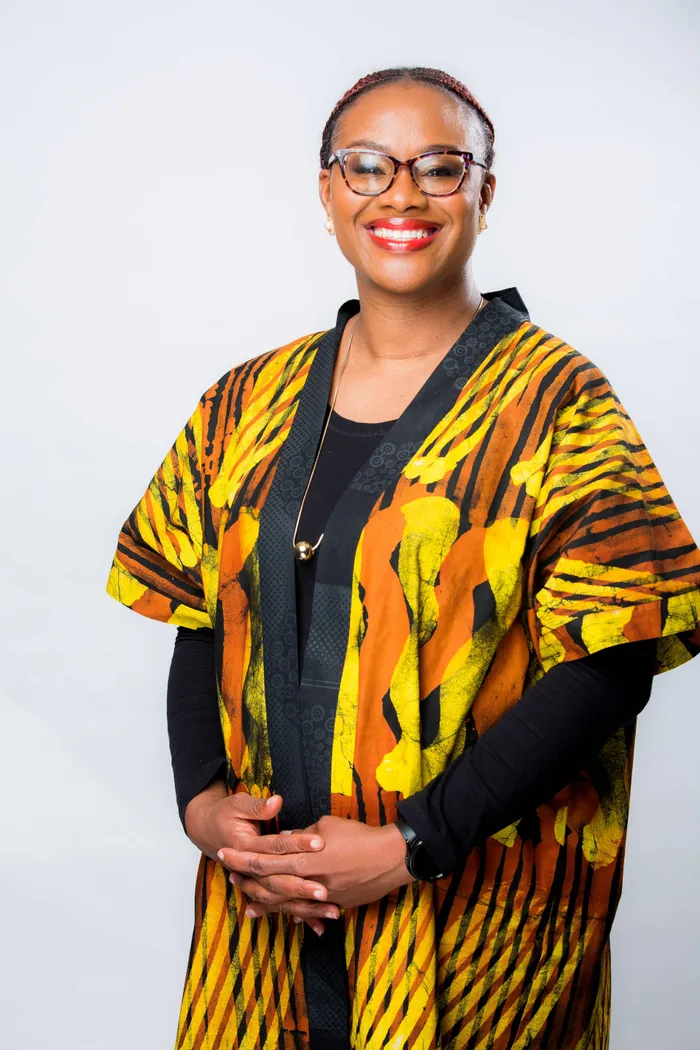
Dr Onyinye Nwaneri is Managing Director of Sesame Workshop International South Africa
Image: Supplied
The Constitution also guarantees children access to healthcare services, and complaints about treatment at clinics or hospitals should be raised with facility managers or oversight bodies such as the Office of Health Standards Compliance. Independent institutions such as The South African Human Rights Commission and Legal Aid South Africa also exist to assist families in any situation where constitutional rights are violated. None of these steps are quick or simple, but they reflect the important principle that the Constitution is not only a document for courts and lawyers - it is a tool ordinary people can use to address the challenges they encounter in everyday life.
Thirty years on, the Constitution remains one of South Africa’s most powerful tools for building a society grounded in dignity and equality. The challenge now is not simply to acknowledge its promises, but to ensure that every child growing up in South Africa fully experiences them.
*Dr Onyinye Nwaneri is Managing Director of Sesame Workshop International South Africa