
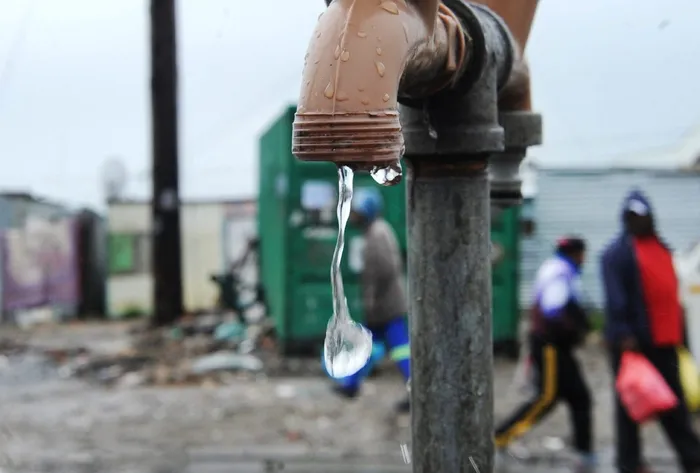
The dams are full yet almost half of all potable water never makes it to the taps.
Image: Cindy Waxa
It is virtually impossible to drive through the streets of Durban today without encountering the grim sight of numerous leaks, where torrents of precious, treated water spew relentlessly into the gutters.
In a country where water is a fundamental human right, explicitly guaranteed by our much vaunted Constitution, this visible wastage is more than a technical glitch; it is a profound moral and systemic betrayal. While our dams may be full, our taps are running dry, marking the arrival of an "induced scarcity" that stems not from a lack of rain, but from a catastrophic failure of governance.
The crisis currently paralyzing eThekwini and broader KwaZulu-Natal is the direct result of municipalities failing their residents. For decades, maintenance has been reactive rather than proactive. Infrastructure has been allowed to crumble, with an unconscionable 47% of treated water lost to leaks and ageing pipelines before it ever reaches a consumer.
This institutional collapse has created a vacuum now filled by the predatory "water mafia" - unscrupulous actors with a vested interest in sabotaging our systems, converting public misery into their private cash flow by forcing desperate communities to rely on expensive, unregulated tankers.
Experts warn that Durban is at a higher risk than even the drought-stricken metros of Gauteng. The problem is misdiagnosed and depoliticised solutions are sidelined in favor of profitable chaos. We see the human toll in the South Coast, where some have been without water for months, and in the rising "water wars" where neighbours turn on one another over a resource that should be a given.
To avert a total collapse, we must look to the blueprint provided by cities like Cape Town, prioritising engineering over politics and asset management over crisis fighting. Water security is an infrastructure issue, and it is solvable. However, until the government tackles the corruption and incompetence at the heart of our water boards, the "gold" of the 21st century will continue to bleed into our streets while the citizens go thirsty.