
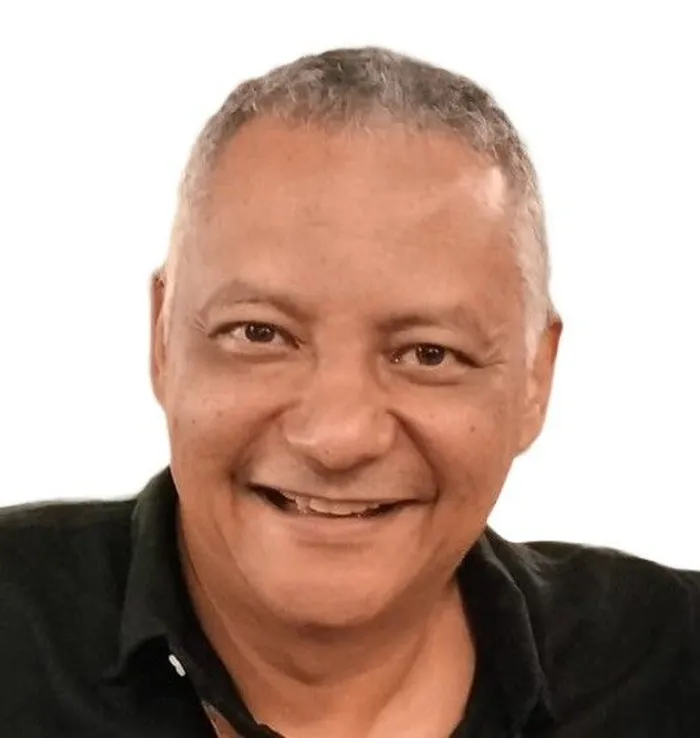
Ashley Green-Thompson runs an organisation that supports social justice action.
Image: Supplied
I’ve been avoiding conversation about identity. The impetus to write about it now was prompted, oddly enough, by radio conversations on the selection of our national soccer team. Most of the Bafana Bafana team to play in the Afcon tournament later this month are from Mamelodi Sundowns and Orlando Pirates, who just happen to be the top two teams in the league right now. There are no players from Kaizer Chiefs, who happen to be my team of choice (for my sins, I also support Manchester United, meaning I haven’t had that trophy-winning feeling for a while now). Many Chiefs supporters lamented this, and they called in to express their intention to withdraw their support from the national team, calling it Bafana BaPirates.
Club loyalty trumps country allegiance, it seems. The local identity took on far more weight than the national one, and it got me thinking about the debates that will be happening this festive season over a chop and a shot.
My sons and their cousins are very likely to pose complex questions, particularly about racial identity in a post-apartheid setting that is too often sullied by the destructive politics of nationalists and populists. So here is my personal reflection on this. By no means can it be the definitive word, but perhaps it can contribute to the debates.
My cultural, racial and gender identity does not define the limits of me or how I appear in the world. I rise to the challenge of transcending the things that seek to contain my limitless potential to achieve the things I value, and to be a positive influence in the world. I am also not naïve about how the world works.
There are those in power who maintain the political, economic, cultural, and social structures that define our society and how we interact with each other. If we buy into that framing and start our engagement from our narrow identities, we will struggle to connect with each other in order to break those structures. This is not to negate our contextual experience.
Quite the opposite. It is our lived reality, our upbringing, our cultural and political experience as humans within a family, community, city, country that contributes to our understanding of things, and so it is bound to shape how we appear in and engage with the situation before us.
Instead, I draw on the full range of who I am. I am a heterosexual man, and I own the limitations and complicity that come with being part of the patriarchy. My refusal to be boxed by that allows me to embrace feminism. I am coloured, and I painfully accept how apartheid has played a particularly cruel joke on me and those who identify as coloured.
I transcend that pain by embracing my blackness that locates me in a wider community of resistance to the things that would diminish me. I am a Catholic since birth (at least according to my dear departed mother), and I will continue to struggle with the contradictions within this church. Ecumenism allows me to embrace the beauty of other faiths, and to appreciate those without a faith who live their lives with compassion and kindness.
I am a South African, and as a subject to modern geopolitics I have to accept the arbitrary borders that divide us and create such terrible things as xenophobia. I am also African, and this allows me to own and celebrate the rich heritage this continent has given me, and to join in any struggles to claim its place in the global community.
I have multiple identities – not to be confused with multiple personalities. If there is ever a clash between them, I will always choose that part that enables a more caring response, the one that embraces rather than excludes, that leads me to a more just and compassionate orientation in my engagement with the world.
This column is a woefully limited space to fully explore and engage on such weighty and complex matters. It’s a start, and in our engagements over the holidays, maybe we can unravel the knotty parts and start weaving identities that are intricate and beautiful, and unashamedly representative of ourselves as good people.