
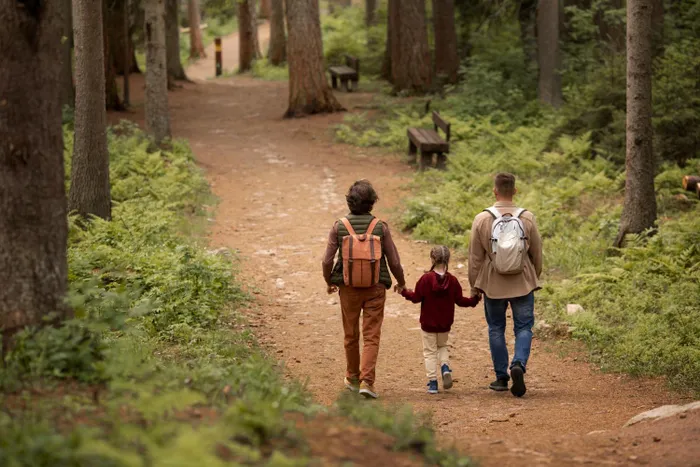
From hiking and camping to teamwork and problem-solving, learning in nature builds confidence, environmental awareness, and real-world competencies in students.
Image: Freepik
Outdoor education is far more than adventure or recreation - it is a transformative approach to learning that drives holistic student development beyond the classroom. As schools increasingly seek ways to prepare students for a complex and fast-changing world, outdoor education stands out as a powerful catalyst for building resilience, leadership, and lifelong skills.
Through activities such as hiking, camping, paddling, bushcraft, and multi-day expeditions, students are challenged to step outside their comfort zones in supportive, structured environments. These experiences foster perseverance, enhance problem-solving abilities, and strengthen decision-making under real-world conditions. Achieving difficult goals in nature builds authentic confidence grounded in experience.
Outdoor environments provide natural opportunities for students to practice leadership and collaboration. Group expeditions and shared challenges cultivate trust, communication, and accountability. Unlike classroom simulations, these settings require genuine teamwork, where success depends on mutual support and shared responsibility.

Garry Townsend, head of outdoor pursuits at Treverton College in the Midlands.
Image: Supplied
The benefits of outdoor education extend to both physical health and mental wellness. Activities like hiking, cycling, and paddling improve fitness and stamina, while time spent in nature reduces stress, sharpens focus, and enhances overall mood. This holistic approach contributes to stronger academic performance and well-rounded student development.
Direct engagement with natural ecosystems fosters a deep appreciation for the environment. Students gain firsthand understanding of biodiversity, conservation challenges, and sustainable practices. These meaningful experiences cultivate environmentally conscious individuals committed to responsible stewardship of the planet.
Outdoor education brings academic subjects to life by connecting theory with real-world application. Concepts in life sciences, geography, and social studies become more tangible when explored in natural settings. This experiential learning deepens understanding and improves retention across academic disciplines.
Time spent outdoors equips students with essential life skills, including navigation, campcraft, planning, and personal responsibility. These practical competencies promote independence and resourcefulness, preparing students to confidently tackle challenges both in and out of school.
Shared outdoor experiences create strong social bonds and lasting memories. Whether overcoming a challenging trail or completing an expedition, these collective achievements foster a sense of belonging and unity within school communities.
Outdoor education is not a supplementary activity - it is a foundational component of comprehensive education. By nurturing resilience, confidence, environmental awareness, and social responsibility, these programs develop students who are prepared not only academically, but emotionally, physically, and ethically.
As educators look toward the future, outdoor education offers a proven pathway to shaping capable, grounded, and purpose-driven leaders ready to thrive in an increasingly complex world.
Garry Townsend, head of outdoor pursuits at Treverton College in the Midlands