
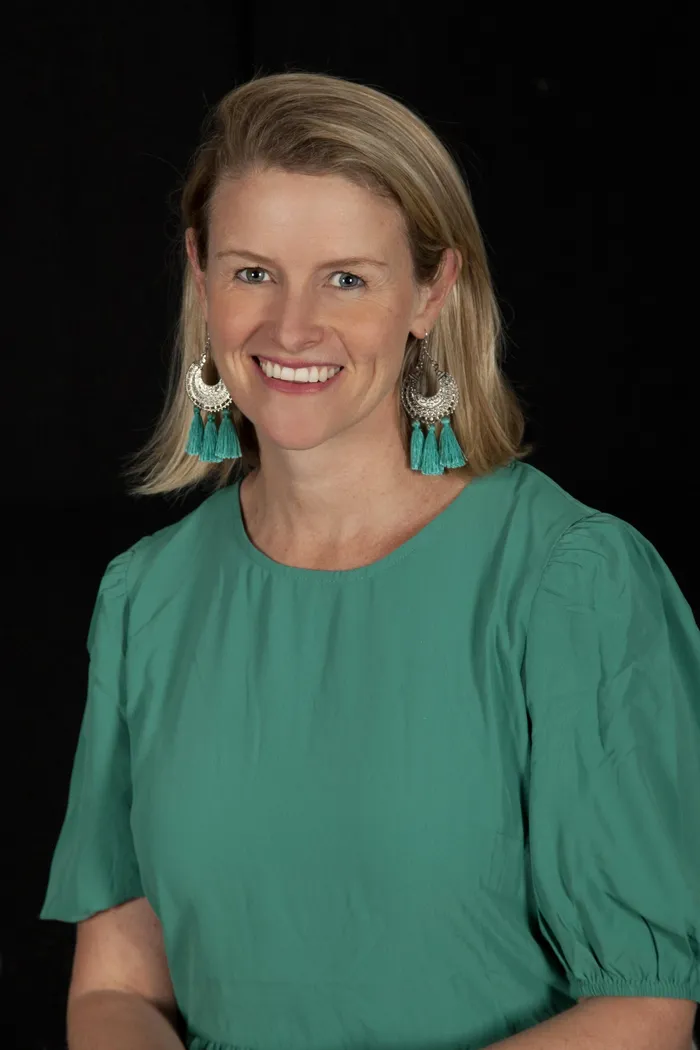
Karen Archer, deputy principal, educational psychologist at Bellavista School.
Image: Supplied
Autism is a lifelong neurodevelopmental condition - one that looks different in every person who lives with it. At its core, it is a brain difference, and difference can make navigating the world more complex. It shapes how a person communicates, connects with others, and experiences life around them. Because autism is an invisible disability, it is often misunderstood - people may not grasp why someone behaves or responds in a particular way. But it’s equally important to recognise the remarkable strengths that form part of the autism profile. The vast majority of autistic people go on to live full, meaningful lives - with careers they love, fulfilling relationships, and families of their own.
What early signs of autism should parents be watching for?
Some of the earliest indicators include limited eye contact, not responding when their name is called, delayed speech development, repetitive movements such as hand-flapping, or an unusually intense interest in specific objects. Parents may also notice a child showing little interest in playing alongside others, or a reluctance to engage in imaginative or pretend play.
At what age is an autism diagnosis typically possible?
For children with higher support needs, a reliable diagnosis can often be made by around age two, with signs potentially visible as early as 12 to 18 months. Getting a diagnosis early matters, because early intervention can make a significant difference to a child’s development. That said, many people only receive a diagnosis much later in life. Because autism markers can be subtle - particularly in those who require less support - it can go unrecognised for years. This is especially true for females, as the diagnostic criteria have historically been shaped by research focused on males. Many autistic women and girls learn to mask their traits, mirroring those around them to fit in.
How do parents tell the difference between general developmental delays and autism?
Both can involve delays in reaching certain milestones, but autism tends to present with specific challenges around social interaction, communication, and patterns of repetitive or restricted behaviour. These go beyond what is typically associated with general developmental delays and form a distinct cluster of traits.
What’s the first thing a parent should do if they think their child might be autistic?
Start by speaking to your child’s paediatrician. They can carry out initial screenings and, if appropriate, refer you to the relevant specialists, which may include a developmental specialist, psychologist, or speech and language therapist, for a more thorough assessment.
What does a formal autism diagnosis actually involve?
A formal diagnosis typically requires a comprehensive, multi-disciplinary evaluation. This means a team of professionals - often including a developmental paediatrician, psychologist, speech-language therapist, and psychiatrist - working together to review the child’s developmental history and conduct structured observations.
What kinds of support are usually recommended following a diagnosis?
Support commonly includes speech and language therapy, psychotherapy, social skills and pragmatics groups, and educational interventions that are tailored specifically to the child. One area that is too often overlooked is the wellbeing of siblings. They need support too. Parents are encouraged to seek out family and sibling support groups, so that no one in the family feels left behind.
How can families manage the emotional weight of an autism diagnosis?
Open, honest, age-appropriate conversations go a long way. Siblings in particular need space to voice how they feel, and to know those feelings are valid. It’s worth remembering that behind every diagnosis is a person, and that understanding the diagnosis often brings with it a sense of relief, greater empathy, and a feeling of being more in control. Support groups, respite care, and counselling can all provide families with the tools to cope and stay connected to one another.
What does an autism diagnosis mean for a child’s long-term future?
Every child’s journey is unique. With the right support in place early, children can develop stronger communication skills and build meaningful social connections. Many autistic individuals go on to lead deeply fulfilling lives when they have the right accommodations and ongoing support, in school and throughout adulthood.
How can parents effectively advocate for their child at school and in public services?
Knowledge is power. The more parents understand about their child’s specific diagnosis, the better placed they are to advocate for the right accommodations and support. Work with the school system to request appropriate assessments, and build strong, trusting relationships with the educators and health professionals who are part of your child’s care. It really does take a village.
How valuable is it for parents to connect with others in similar situations?
Enormously so. Connecting with other families who are navigating the same challenges offers something that professional support alone often can’t - genuine understanding, shared resources, and the quiet reassurance of knowing you’re not alone. It can shift a parent’s experience from one of isolation to one of empowerment. For additional resources, visit the Bellavista School website.
Karen Archer, deputy principal, educational psychologist at Bellavista School