
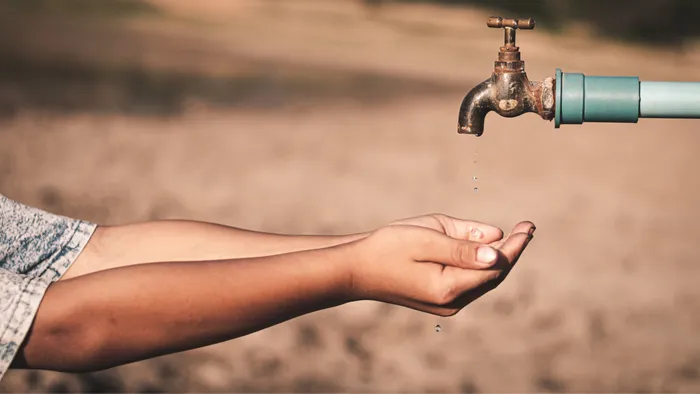
With more than 37% of treated water lost daily to leaks, theft, and waste, and household consumption averaging 233 litres per person per day — well above the global average of 173 litres — the country is running out of room for error.
Image: Supplied
AS South Africa braces for its high-demand summer season, the Water Research Commission (WRC) has issued a stark warning: The nation’s water crisis is not merely a matter of drought or crumbling infrastructure; it is a crisis of behaviour and urgency.
With more than 37% of treated water lost daily to leaks, theft, and waste, and household consumption averaging 233 litres per person per day — well above the global average of 173 litres — the country is running out of room for error.
If current trends persist, national demand could outstrip supply by 17% by 2030.
In response, the WRC has launched “A WaterWise Nation”, a bold, nationwide behaviour-change campaign designed to shift how South Africans think about, value, and use water. Under the tagline “Act Today Sustain Tomorrow”, the initiative calls on every citizen, business, farmer, and municipality to embrace smarter water habits — not as optional gestures, but as essential survival strategies.
“We’re not just running out of water,” WRC chief executive Dr Jennifer Molwantwa said. “We’re running out of time to change how we use it. Every litre we waste this summer is a litre our children may not have tomorrow.”
Summer intensifies the strain on already overstretched systems. Higher temperatures, longer days, and increased outdoor water use — for gardens, pools, and car washes — drive consumption just as cities like Johannesburg, Durban, and Cape Town race to repair major leaks and clamp down on illegal connections.
But fixing pipes alone is not enough. “We often talk about fixing pipes, but the deeper leak is in how we think,” Molwantwa said. “Every time someone irrigates in the afternoon or lets the tap run while brushing their teeth, we lose more than litres — we lose lifelines.”
Recognising that agriculture consumes more than 60% of the country’s water and industry nearly 30%, the WRC is positioning these sectors as pivotal partners. “Smart water use is smart business,” Molwantwa emphasised. “Water-saving innovation isn’t a cost, it’s a competitive edge.”
Solutions already in motion include data-driven irrigation, industrial rinse-water recycling, and circular-water models that cut waste and boost resilience.
“A WaterWise Nation” is more than a public service campaign — it is a cultural reset. Spanning households, schools, industries, municipalities, and media platforms, it equips South Africans with practical tools:- How-to videos on water-wise habits- Guides to detecting and fixing leaks- Greywater reuse tips for homes and gardens- Sustainability frameworks for businesses
A new podcast series, “Water is Everyone’s Business”, shares frontline stories from water innovators across the country. “Stories shape habits,” Molwantwa said. “We must flood the public mind not only with urgency, but with hope.”
The campaign also embeds water literacy into classrooms and community centres, turning educators and local leaders into water advocates.
The WRC is urging immediate action with simple, high-impact steps:
“We need every home to load-shed water the way we learned to load-shed electricity,” Molwantwa said. “Time your showers. Know your meter. These aren’t symbolic gestures, they’re survival strategies.”
Molwantwa’s message is clear: “Close a tap. Fix a leak. Educate a learner. Innovate at work. If we all act now, we can build a water-secure, climate-resilient nation together. This is not just about water,” she added. “It’s about legacy. It’s about survival. It’s about the kind of future we choose—for ourselves, for our children, and for generations to come.”