
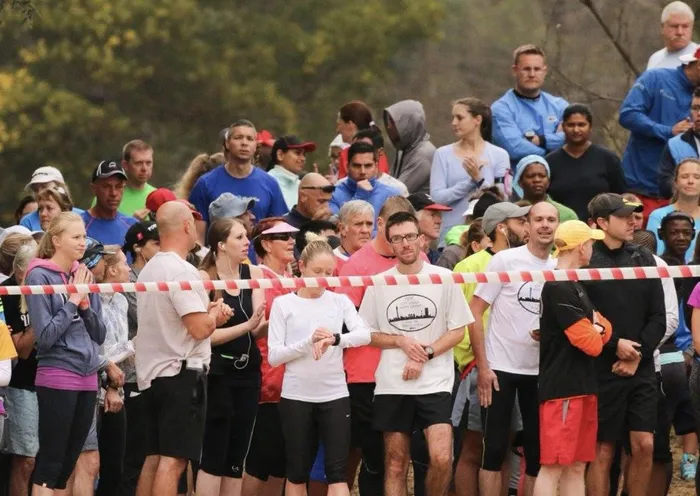
In 2026, sharing fitness activities on apps like Strava and social media platforms poses significant privacy risks, as demonstrated by a naval officer’s accidental disclosure of a French aircraft carrier’s location, highlighting the importance of optimising privacy settings to protect personal information. Picture: Parkrun SA
Image: Parkrun SA
The constant quest for validation, especially when one begins a ‘fitness’ journey, may have more concerning effects than we ever thought possible.
I’m talking, of course, about sharing your fitness activities on apps like Garmin and Strava, which are then also shared on other social media platforms like Facebook, X, and WhatsApp.
It may seem absolutely harmless when you share a 5k run on Strava, but that’s no longer the case in 2026.
With Strava, for example (it works much the same on other fitness apps), unless you set your activities to private, anyone who follows you can see your location.
What’s perhaps even worse is that it can be really easy to pick up your routine or schedule from these activities.
When you first begin posting on fitness apps, it’s extremely important to go through your privacy settings. There are normally three options.
The first is to allow anyone to view your activity. That means anyone on the app can see the details of your activity, like your location, time of the activity, and other important stats like the route.
The second option is to set your privacy to only your followers. This is generally the most common option selected, which allows anyone who follows you to see your activity.
The third and most secure option is private. That means only you can see your activity, and this is the most advisable to use.
However, because the nature of social media and especially fitness apps is about validation, most people allow anyone who follows them to be able to view their activities. As an avid runner myself, I’m guilty of using this popular setting— but it’s really not a good idea when you think about it.
This is especially true after it recently emerged that a naval officer revealed the secret location of a French aircraft carrier by posting his run on Strava without realising what he’d actually done.
Le Monde reported last week that it was able to identify the approximate real-time position of the 262-metre warship using publicly available data from Strava.
Of course, the vast majority of runners on Strava are not involved in military operations, but this incident serves as a warning about just how dangerous it could be to not play close attention to your privacy settings with any posts you make online.