
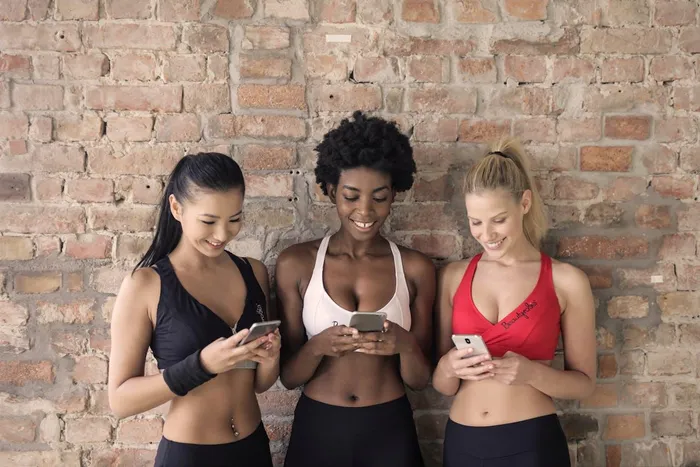
Research from Harvard’s School of Public Health underscores the mental health benefits of regular exercise, linking movement with reduced anxiety and improved mood, factors that Gen Z report struggling with more than millennials did at the same age
Image: Andrea Piacquadio /pexels
Not long ago, after-work drinks were a regular ritual. Many millennials started their careers with 5pm debriefs over cheap wine, midweek specials, and last-minute plans for “just one drink” that usually turned into three.
Sociologists even called millennials the most drinking generation, the cohort that kept the alcohol industry buzzing well into the 2010s.
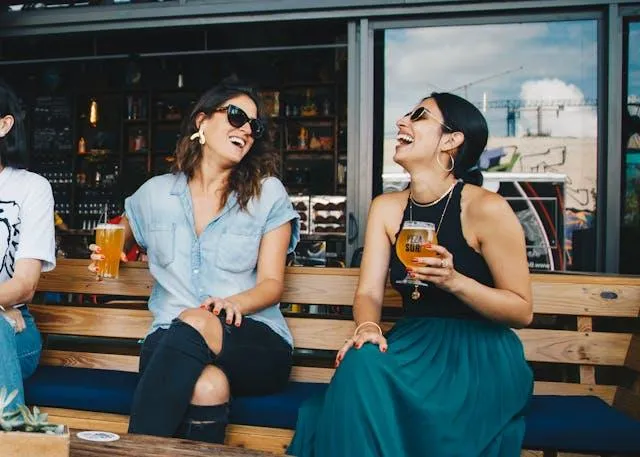
From happy hour to healthy hour: Gen Z’s fitness revolution
Image: ELEVATE /pexels
If you’ve tried to wrangle a Gen Z friend into after-work drinks lately, you’ve probably heard some version of: “Can we make it a walk instead?” or “I’ve got Pilates at six”. It’s not personal. It’s cultural.
Happy hour, once the sacred decompression window for millennials, is being rewritten by a generation that treats wellness the way previous generations treated nightlife: as a social currency, a lifestyle flex, and sometimes, a lifeline.
Forget cocktails; 2025 is all about function. Kombucha instead of chardonnay. Matcha instead of mojitos. Mushroom coffee instead of… well, whatever used to get us through Thursday evenings.
And this shift isn’t just visible online, it’s measurable.
From “round two?” to “who’s coming to spin?”
A growing body of research proves what we’ve been seeing on our feeds. Recent data from Gympass, a global corporate wellness platform that analysed millions of fitness “check-ins” among more than two million users, found that the prime time for workouts is no longer early mornings; it’s 6pm to 7pm, the same window traditionally reserved for after-work drinks.
Their Year in Motion report shows: Tuesday is now the most popular day for fitness activities. Wednesday and Thursday follow closely.
And yes, employees across nine industries are using their after-work slot for the gym, not the bar.
Health economists say this shift tracks the broader trend of decreasing alcohol consumption across the US and UK.
Gen Z, in particular, is drinking significantly less. According to data from Ocado Retail and Savanta (2023–2025), Gen Z is gravitating toward “functional beverages” and alcohol-free alternatives, with searches for kombucha, adaptogenic drinks, and non-alcoholic spirits continuing to rise.
The wellness generation… or the worried one?
It’s easy to romanticise Gen Z as the wellness warriors who will save us from the sins of overworked millennials, the generation famously dubbed “the biggest drinkers,” according to multiple national health surveys.
But the truth is more nuanced.
Gen Z’s gym habits aren’t just about glowing skin, green juices, or the promise of a longer life. They’re also about mental health, something this generation discusses more openly and urgently than any before it.
Research from Harvard’s School of Public Health has shown that movement meaningfully lowers anxiety and helps regulate mood, two issues Gen Z reports at higher rates than millennials did at the same age.
Many young adults say exercise gives them “a sense of control,” especially in times of economic uncertainty. It’s a grounding ritual that feels productive, predictable, and safe.
But there’s another side to this story, one that feels more human, more complicated.
While gym memberships among Gen Z have nearly doubled since 2020, and 30% of the generation now use fitness facilities regularly (compared to 15–25% of the general adult population), sociologists warn this trend isn’t purely wellness-driven.
Some of it is pressure.
A study from the American Psychological Association found that 40% of Gen Z experience anxiety related to appearance, heavily influenced by social media. With an endless parade of sculpted “normal people” on TikTok, not just celebrities, comparison has become a daily habit.
One UKActive leader called Gen Z “the most health-aware generation ever,” but psychologists remind us that awareness can come with self-surveillance. Nearly half of Gen Z list “improving appearance” as a key reason they exercise.
As one young writer told The Guardian, the move from pub to gym wasn’t inspired by joy but fear of falling behind, fear of not being enough, fear of wasting time.
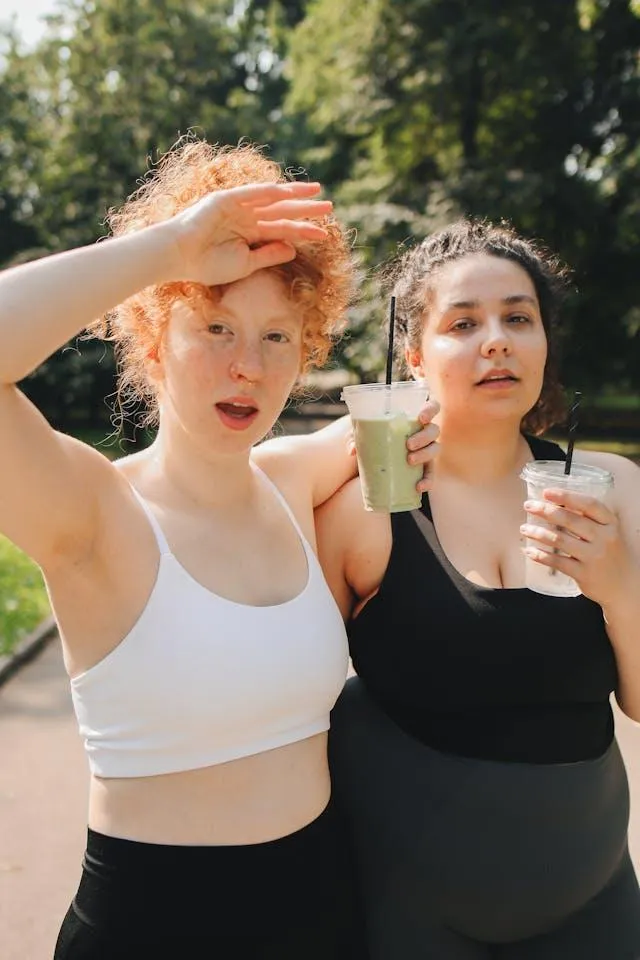
Gym memberships among Gen Z have surged nearly doubling since 2020 sociologists caution that this trend isn't solely wellness-driven.
Image: Polina Tankilevitch/pexels
And honestly? Many millennials know that feeling too well.
Millennials drank to unwind - Gen Z runs. Millennials went out to forget - Gen Z works out to feel.
Millennials chased experiences - Gen Z chases balance. But both generations are responding to the same thing: a world that feels heavier than it used to.
Maybe this isn’t the death of happy hour, just a rebrand.
Gen Z isn’t anti-fun. They’re pro-intention. They’re choosing communities that don’t leave them hungover. They’re choosing clarity over chaos. They’re choosing themselves, loudly and unapologetically.
And if that means swapping a gin and tonic for an evening run? Their friends, their feeds, and their future selves seem to approve.
Because in a time where everything feels urgent, maybe wellness isn’t a hobby anymore, maybe it’s the new form of social survival.
And honestly? An hour at the gym might just be the most modern kind of happy hour there is.