
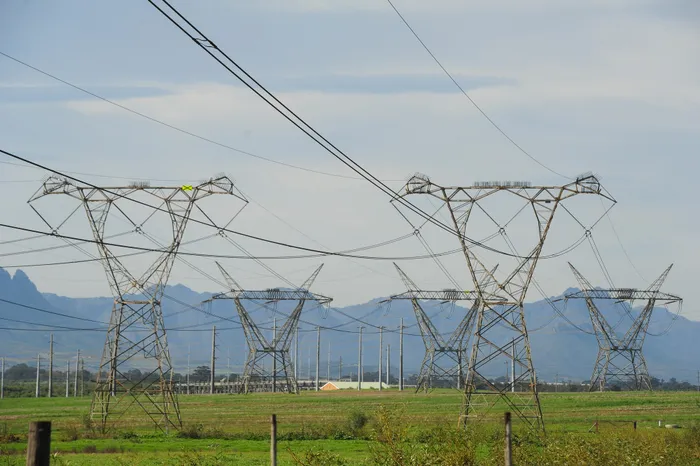
The severe loadshedding of 2022–2023 seemed interminable; yet 2025 brought sustained power stability. According to the author, change is unavoidable, but the direction it takes is up to us.
Image: Henk Kruger/Independent Newspapers
Former President Thabo Mbeki warned that we sometimes believe today is unchanging, forgetting that tomorrow brings difference. This gentle truth feels unsettling when reflected against South Africa’s present reality.
South Africans are weary, yet increasingly hopeful. That is the layered truth as we enter 2026. Weary of unemployment figures that remain stubbornly high, hovering around 32%, with youth joblessness still exceeding 45%.
Weary of crime that, despite recent declines in murders and some violent categories, continues to claim lives and erode our sense of security.
Yet hopeful, because for much of 2025, loadshedding largely receded, a relief not seen in years, thanks to sustained improvements at Eskom and private energy investments. Hopeful, too, because the Government of National Unity (GNU), now in its second year, has delivered modest economic growth, a credit rating upgrade, and removal from the global financial grey list. In this mixed exhaustion and cautious optimism, many of us risk complacency. We have started to believe that incremental progress is enough or that persistent challenges are permanent. Former president Mbeki’s words challenge that.
They remind us that time moves relentlessly. The question is whether tomorrow will be shaped by deliberate action or by inertia. There is a lingering resignation in parts of the country. We still adapt to state shortcomings: investing in solar and batteries where grid reliability is lacking, relying on private security amid uneven policing, and navigating bureaucratic hurdles with resignation rather than collective action. Adaptation remains necessary, but it must not fully replace accountability. Survival instincts are strong, yet ambition for a thriving, inclusive economy must not be sidelined.
This is how both decline and recovery take root, not in dramatic events, but in millions of daily choices that either entrench the status quo or push for better. History affirms that South Africa is never static. The apartheid regime believed its order eternal; it crumbled. The early democracy assumed endless progress; setbacks followed.
The severe loadshedding of 2022–2023 seemed interminable; yet 2025 brought sustained power stability. The lesson: change is inevitable, but its direction depends on us. Tomorrow arrives regardless. If we drift, tomorrow could still be constrained: a tax base strained by slow growth, youth sidelined from opportunity, inequality deepened by uneven service delivery, and trust in institutions further eroded. Elements of that future linger in today’s challenges.
But Mbeki’s insight also ignites possibility. Tomorrow can bend toward renewal. The way forward requires more than managing GNU tensions. Leadership must articulate clear priorities: coordinate energy security measures, accelerate logistics reform, overhaul education for a future workforce, and pursue industrial policies that link these actions directly to job creation and growth. Set benchmarks, report progress regularly, and communicate how these steps will unite and benefit all South Africans. Citizens respond to concrete, purposeful direction, not vague calls for sacrifice.
Tomorrow improves if citizens reclaim agency not just through votes but also through sustained civic engagement, community action, and rejection of normalised inefficiency. It strengthens if the business deepens its partnership with the state, investing in reforms that rebuild institutions, from ports to municipalities.
Private initiative has filled gaps, but a thriving nation requires a capable public sector. Above all, tomorrow transforms if we centre young people not as a demographic challenge but as drivers of innovation and growth. No society prospers when its youth are marginalised by the economy and policy alike.
Mbeki reminds us: time is impartial. It neither clings to past glories nor withholds rewards from bold choices. It advances. Tomorrow’s shape emerges from today’s decisions. South Africa is at a pivotal juncture, not a crisis of collapse, but a quiet opportunity for acceleration. The GNU’s early wins in stability provide a platform.
Sustained reform momentum could lift growth towards1.5–2% in 2026 and beyond, creating jobs and easing pressures. If we accept today’s limitations as forever, progress stalls. But if we seize that tomorrow differs and actto make it better, we retain the power to define it.
The future demands not perfection, but persistent intention.That choice, urgent as ever, is ours today while today is still today.
Nyaniso Qwesha is a writer with a background in risk management, governance, and sustainability.