
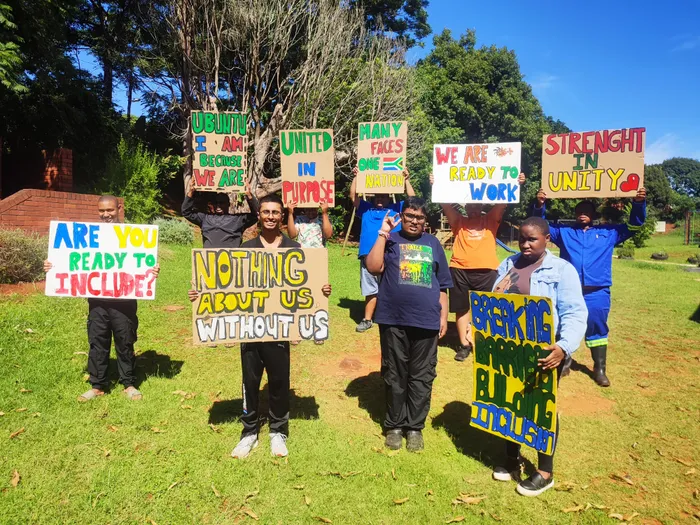
Students of the Shahumna Centre which provides training for Autistic adults hold signs they prepared for the silent walk. Kayden masala, Sukoluhle Mtshali, Zahid Khan, Siyabonga Msabala, Tyrin Naidoo, Rahul Naidoo, Anthony Daniel Eastwood, Lethokuhle Manqele, Siyathemba Shongwe Participants display placards promoting workplace inclusion during an Action in Autism awareness drive, highlighting the importance of creating opportunities for neurodiverse individuals.
Image: Supplied
For years, the conversation around autism has been dominated by awareness. This April, in Durban, the call is shifting to something more concrete: inclusion, dignity and the right to work.
A silent walk from Gugu Dlamini Park to City Hall, without spoken words, will highlight the experiences of non-speaking autistic individuals. A sensory celebration day will invite families to connect through art and understanding. And behind these events is a clear message: autism is not a deficit of ability, but a different way of being.
The organisation driving these initiatives is Action in Autism, a Durban-based non-profit established in 2005. Founded by parents advocating for better educational access, it has grown into a vital support system offering early childhood intervention, adult skills development, and advocacy for workplace inclusion.
“Our core mission is to improve quality of life through advocacy, education, skills development and accessible support services,” said director Diane Mariah-Singh. “At the heart of what we do is promoting acceptance, inclusion and empowerment.”
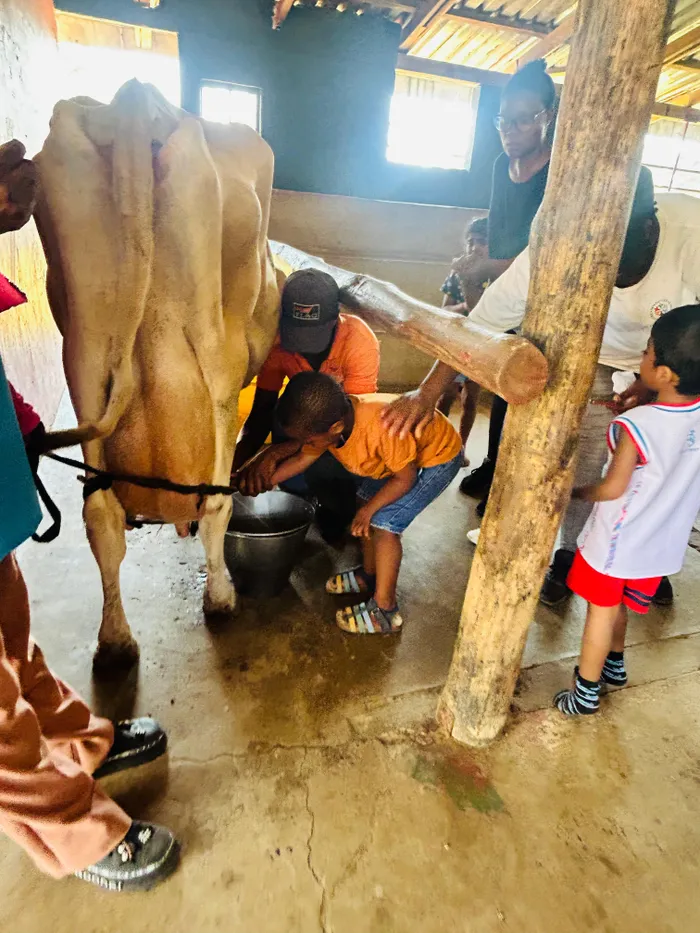
The learners recently went on a field trip to an animal farm. The Centre incorporates a lot of practical and visual aids in teaching and learning. Featured in this pic is Nkanyezi Nxumalo Young learners from Action in Autism engage in a hands-on farm experience at Flag Farm, where activities like milking a cow help build confidence, life skills, and real-world exposure.
Image: Supplied
From its centre in Durban North, the organization provides everything from diagnostic clinics and family support networks to early intervention programmes for young children. For older individuals, its Shahumna Centre focuses on practical skills such as catering, agriculture, and entrepreneurship—empowering autistic adults to build independence and purpose.
Yet, despite these efforts, a significant challenge remains, employment.
In 2026, Action in Autism is placing a strong focus on workplace inclusion, highlighting a stark reality: while South Africa’s unemployment rate remains high, the figure for persons with disabilities is alarmingly higher. According to the organization, this reflects a systemic exclusion that continues to deny many individuals a basic human right—the opportunity to work.
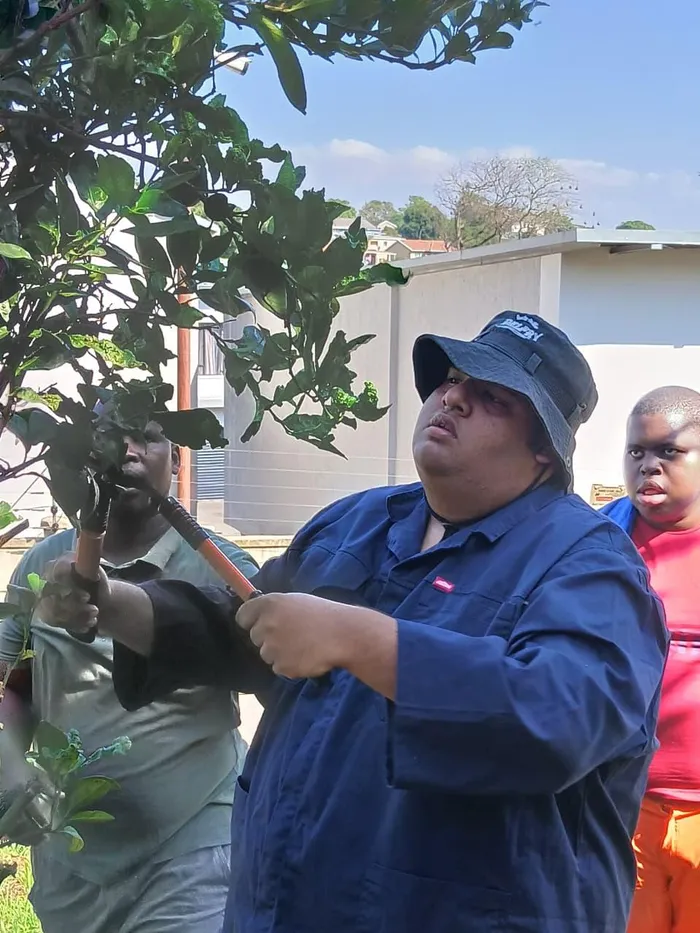
Tyrin Naidoo enjoys the Agriculture component of the Shahumna Centre An adult trainee at the Shahumna Centre develops practical horticultural skills, reflecting Action in Autism’s focus on empowering individuals through meaningful, hands-on training.
Image: Supplied
From its centre in Durban North, the organisation provides everything from diagnostic clinics and family support networks to early intervention programmes for young children. For older individuals, its Shahumna Centre focuses on practical skills such as catering, agriculture and entrepreneurship, empowering autistic adults to build independence and purpose.
Yet, despite these efforts, a significant challenge remains: employment.
In 2026, Action in Autism is placing a strong focus on workplace inclusion, highlighting a stark reality. While South Africa’s unemployment rate remains high, the figure for persons with disabilities is alarmingly higher. According to the organisation, this reflects a systemic exclusion that continues to deny many individuals the opportunity to work.
“Autism is not a deficit of ability – it is a different operating system,” said Mariah-Singh. “Autistic individuals often bring exceptional attention to detail, strong pattern recognition, and a deep sense of justice into the workplace.”
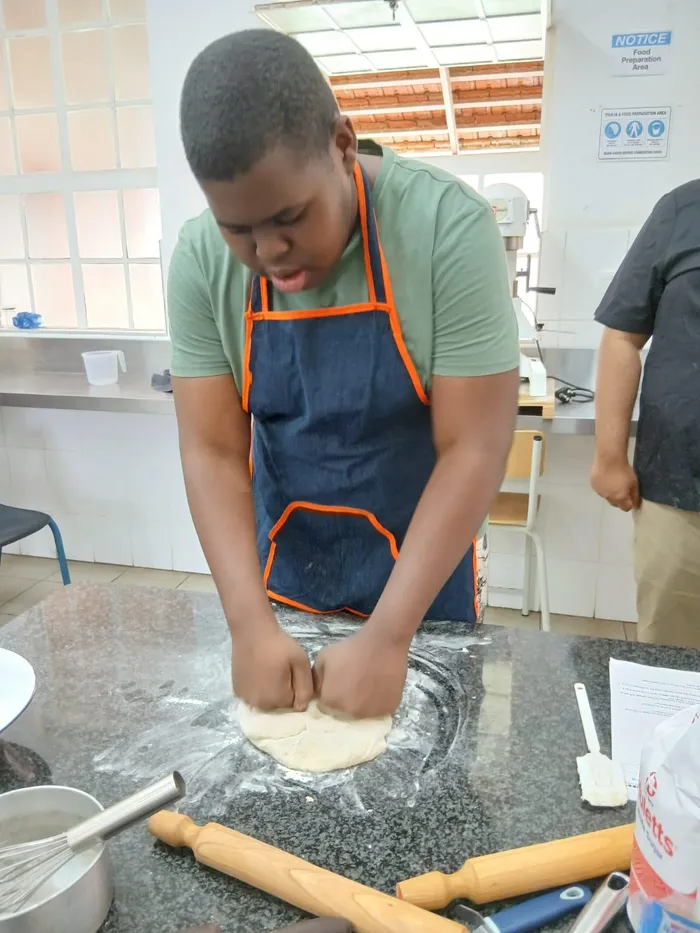
Ndumiso Zungu busy in the Catering and Hospitality component of Shahumna Centre. A young adult gains valuable culinary skills at the Shahumna Centre for Catering, part of Action in Autism’s initiative to prepare individuals for greater independence and employment opportunities.
Image: Supplied
Voices from within the autism community echo this desire for inclusion. Zahid Khan, a student at the Shahumna Centre, shared his aspiration: “I would feel happy to get employed one day because I wish to support my father and grow together with my peers.”
This April, Action in Autism is turning awareness into action through a series of community-driven events aimed at fostering understanding and participation.
One of the most poignant initiatives is the Silent Walk, which will see participants move from Gugu Dlamini Park to City Hall without spoken words. The walk is designed to highlight the lived experiences of non-speaking autistic individuals, who are often overlooked in public discourse.
“Approximately 50% of autistic people are non-speaking,” said Mariah-Singh. “During the walk, participants will communicate using alternative methods such as gestures, writing and sign language, in solidarity with those whose voices are not always heard.”
The walk will culminate in the handover of a memorandum to municipal representatives, calling for greater inclusion in public spaces and increased employment opportunities.
Residents from areas such as Chatsworth, Phoenix and Merebank are invited to take part in a more interactive experience: the Pizza and Paint and Sensory Celebration Day on 18 April at the organisation’s Park Hill centre.
This event offers a welcoming, sensory-friendly environment where autistic individuals, families and members of the public can connect through creativity and shared experiences. Activities include poster-making for the Silent Walk, as well as engaging sensory stations designed to help attendees better understand how autistic individuals experience the world.
“Autistic people often experience sensory input very intensely,” said Mariah-Singh. “This event allows the broader community to engage with those differences in a meaningful and respectful way.”
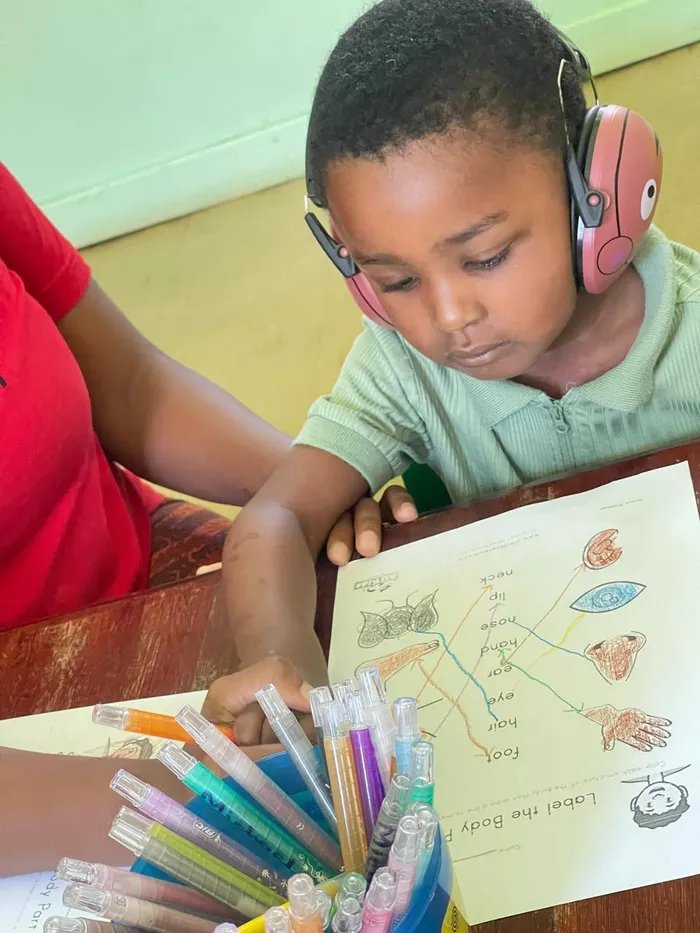
Mpendokuhle is a learner at the Early Learning Intervention Centre which caters specifically for Autistic children's unique needs. Mpendokuhle, a learner at the Early Learning Intervention Centre, engages in a structured classroom activity designed to support communication and cognitive development. Wearing noise-cancelling headphones to manage sensory input, the centre caters specifically to the unique needs of autistic children through personalized, supportive learning environments.
Image: Supplied
The day will also feature a talk by Dr Lindani Nxumalo, focusing on the rights of autistic individuals, particularly in the workplace – reinforcing the organisation’s broader advocacy for inclusion.
As World Autism Acceptance Month continues, Action in Autism is not just raising awareness. It is inviting the community to walk alongside them, to listen differently, and to open doors that have too long remained closed.