
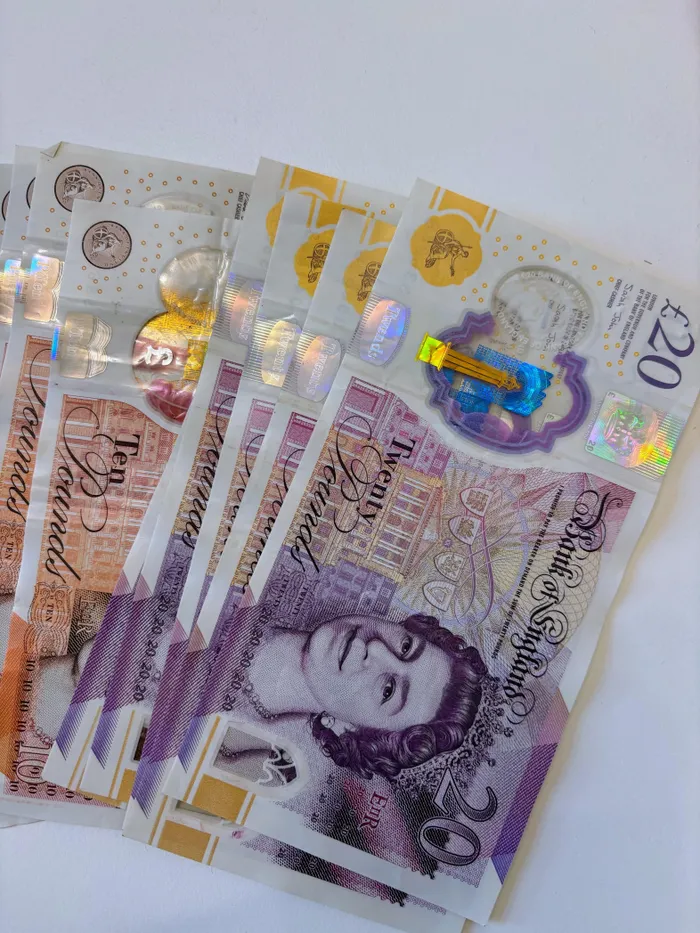
Many travellers find themselves doing conversions in their heads while overseas, or reaching for their phone calculators, but with adequate planning and set budgeting, conversion anxiety can be overcome.
Image: Supplied / Sané Ndlovu
“Treat yourself!” “You only live once!” These are the phrases you often hear on holiday, usually moments before someone taps their card without checking the balance. Not me. There is nothing quite as sobering as standing in a store, cell phone calculator in hand, converting prices into rands before deciding whether something is worth it. Exchange rates have a way of humbling you quickly. And I feel no shame about that.
In fact, I’ve learned to travel with a clear understanding of what I can and cannot afford. Every trip starts long before reaching the airport. It begins with honesty, budgeting, and deciding where my money will go before I even pack my suitcase. I like to think we’re at a stage in our relationship where we can talk about money openly, because travel may look glamorous, but for many of us, it requires deliberate planning.
Before my first international trip, I held wildly unrealistic expectations of what travel should involve. I followed numerous travel content creators whose posts made the experience seem aspirational, almost out of reach. Everything appeared perfectly styled, beautifully lit, and effortlessly luxurious. For a moment, I questioned whether that was the standard I needed to meet. Then I realised something crucial: my goal was not to curate a life online, but to see the world, experience different cultures, observe people, and fully immerse myself in the places I visited. That clarity transformed everything.
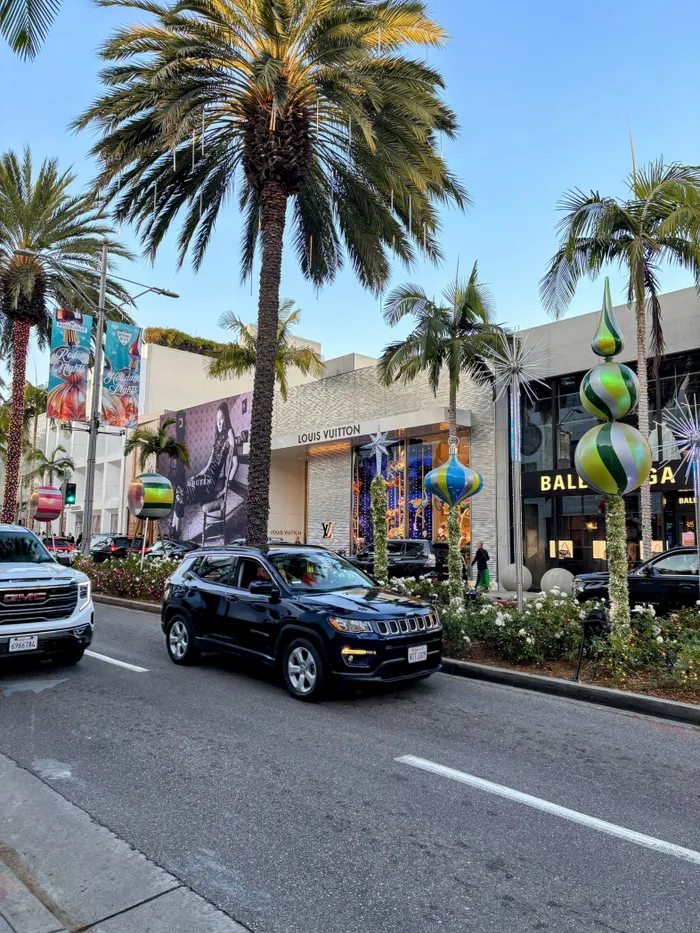
Rodeo Drive in Los Angeles, United States, is a shopping Shangri-la.
Image: Supplied / Sané Ndlovu
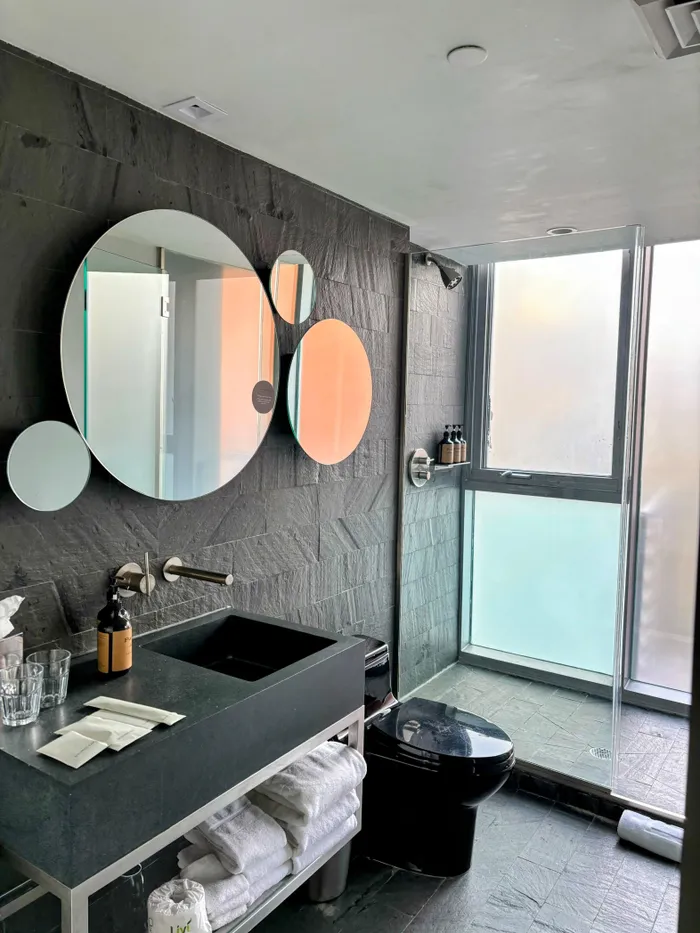
A modest hotel in Manhattan, New York, United States more than catered to the writer's needs. Who needs four- or five-star accommodations?
Image: Supplied / Sané Ndlovu
The decisions I made afterwards didn’t just save me money; they shaped my travel blueprint today. They are deliberate. They are immersive. And honestly, they’re not always glamorous. Once I gained that clarity, I knew that if I wanted to fulfil my dreams of exploring the world, I would need to be strategic. Safety would always be my priority, but luxury didn’t have to be.
I don’t need a four- or five-star hotel to feel secure. And I’ve learned that small decisions can have a big impact. Take breakfast, for example. Hotels often charge extra for it, so instead I turn my mornings into mini adventures. I step out early and look for a popular local breakfast spot — usually a small, affordable café tucked away from the main tourist areas. In Paris, I spent an entire week searching for the most delicious croissant. That simple quest led me to neighbourhood bakeries and pâtisseries I might never have found otherwise. It saved me money, added a few thousand steps to my day, and made my mornings feel much more immersive than a hotel buffet ever could.
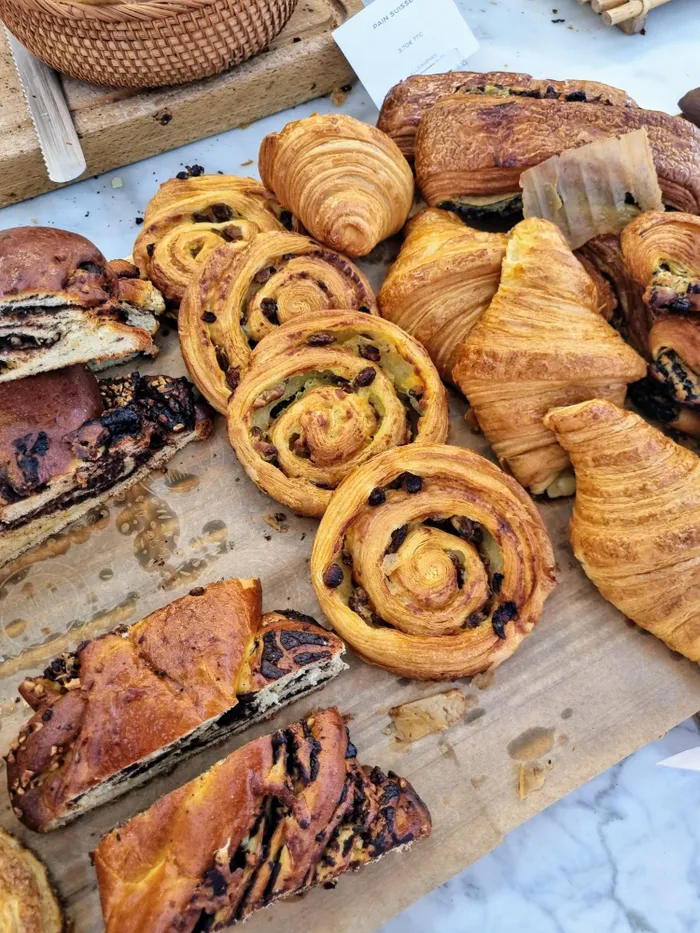
Try to find small, popular cafés close to your hotel where you can get affordable bites.
Image: Supplied / Sané Ndlovu
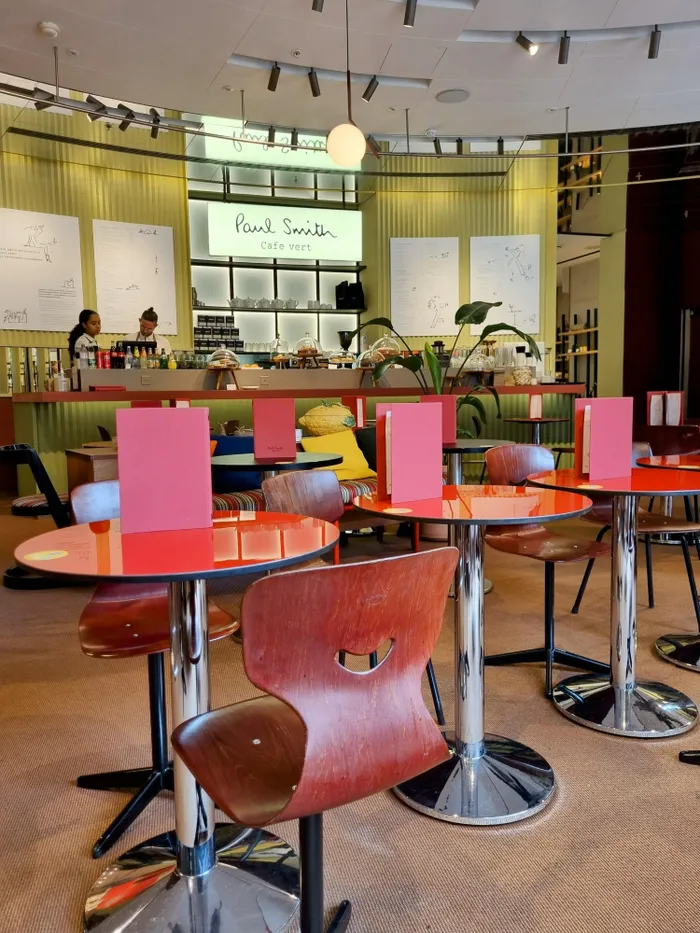
The Paul Smith café in Paris, France.
Image: Supplied / Sané Ndlovu
Public transportation has become an essential part of how I travel. Before each trip, I research the transport system of the city I’m visiting, including trains, buses, metro lines, and travel cards. Most of the time, public transport costs a fraction of what you might pay for e-hailing services.
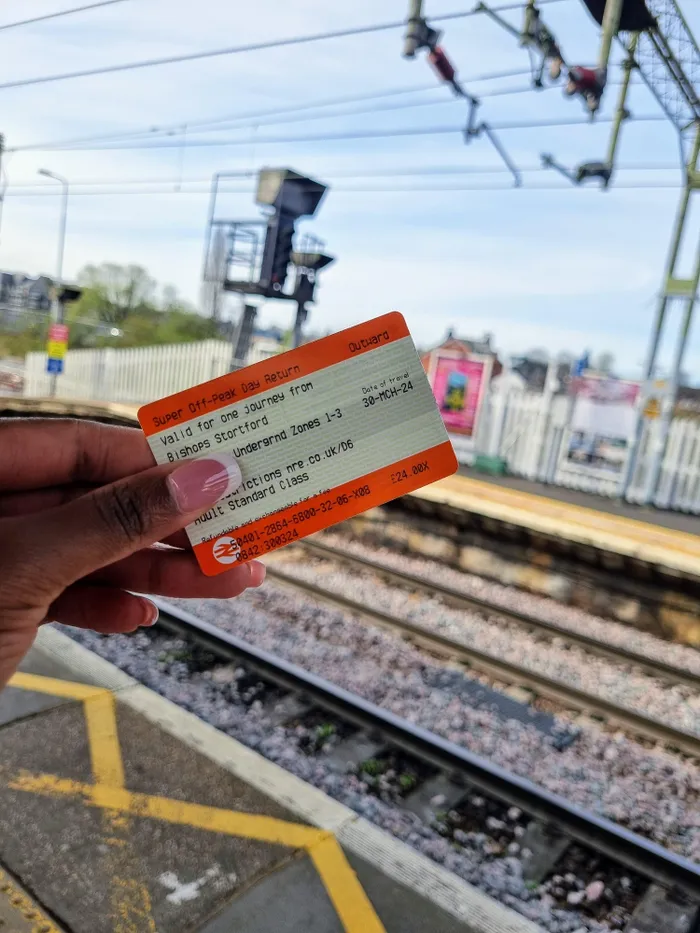
A train ticket in London, England.
Image: Supplied / Sané Ndlovu
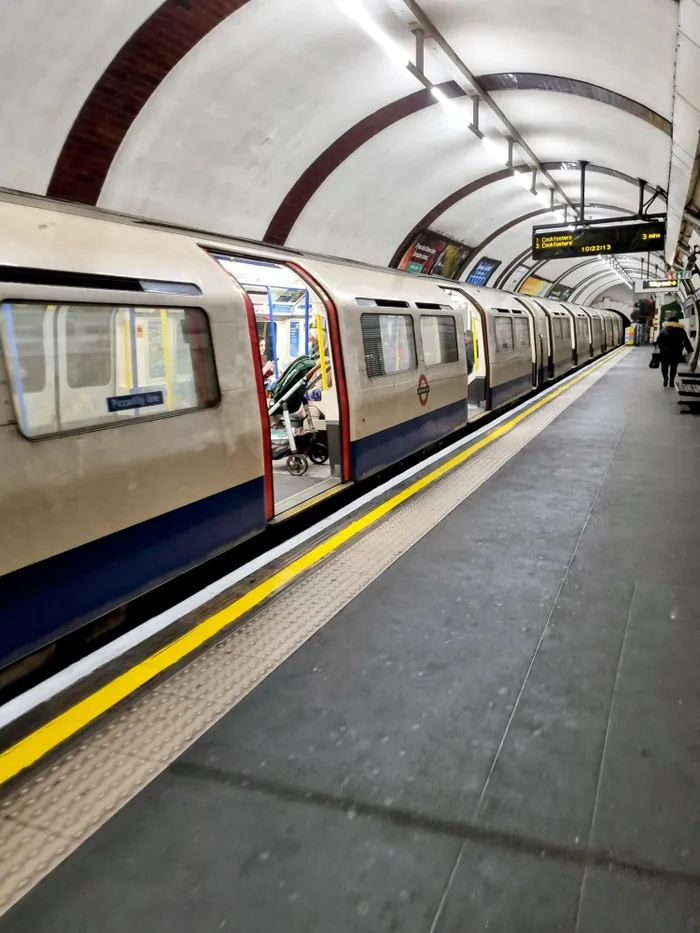
London's famous Underground.
Image: Supplied / Sané Ndlovu
But beyond the savings, it offers something else: perspective. You observe daily life. You sit alongside commuters. You start to feel less like a visitor and more like someone temporarily woven into the rhythm of the city. Another way I’ve managed to make travel more affordable is by paying attention to the benefits that already exist within institutions I belong to — particularly my bank and my medical aid. Through my bank, I’ve been able to access airport lounges in different parts of the world, something that would normally cost quite a bit of money. Both my bank and my medical aid have also provided travel or medical insurance benefits that I didn’t initially realise were available to me.
It’s a small reminder that sometimes the resources we need are already within reach. Whenever you join an institution that offers member benefits, it’s worth reading the fine print. Some banks even offer flight or accommodation discounts when bookings are made several months in advance. Over time, these small advantages have become some of my favourite ways to stretch a travel budget a little further.
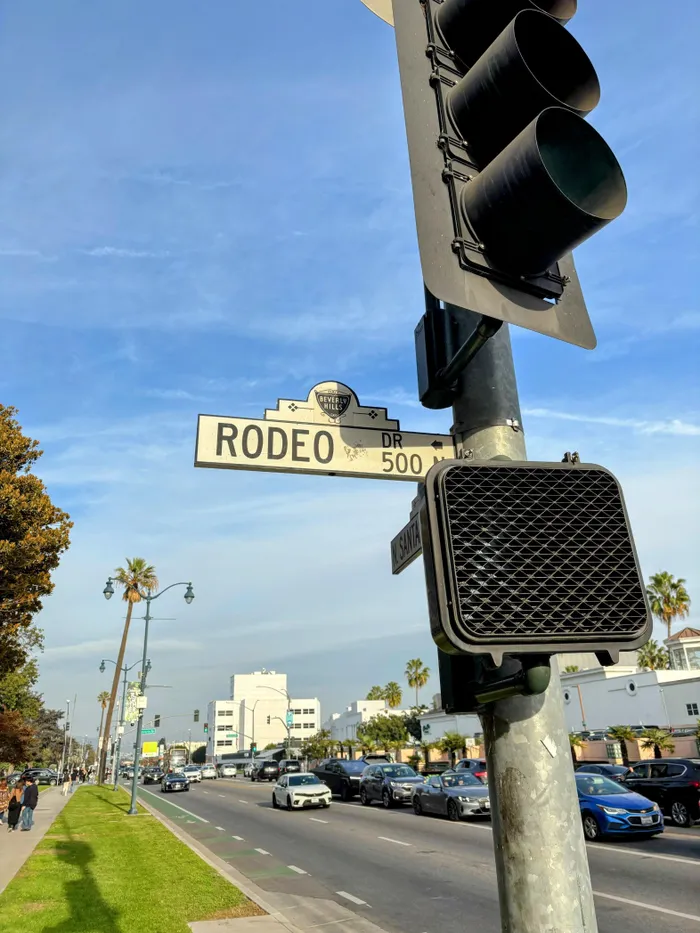
Los Angeles' famous Rodeo Drive, United States.
Image: Supplied / Sané Ndlovu
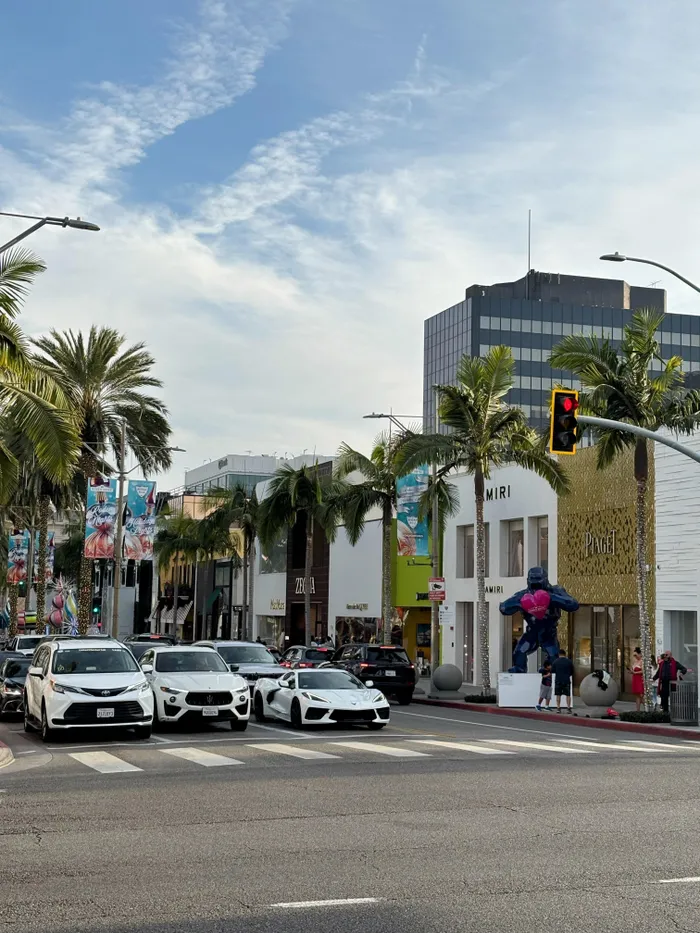
Rodeo Drive's renowned shopping district in Los Angeles, United States.
Image: Supplied / Sané Ndlovu
To the aspiring explorer, my advice is straightforward: start small and be intentional. Save gradually if necessary. Pay attention to the offers and benefits provided by the institutions you already belong to. And most importantly, clarify why you want to travel. Once you understand your reason, it becomes easier to adjust your expectations and decisions to make the experience feasible.
Social media may make travel seem glamorous, but the true reward is the experience itself — the people you meet, the streets you explore, and the quiet moments that never make it onto Instagram. Flexibility also helps. Being willing to travel outside of peak seasons or signing up for travel newsletters can often uncover deals you might not have considered. But more than anything, affordability in travel comes from having clear intentions. When you know what matters most to you, the rest of the trip begins to fall into place.
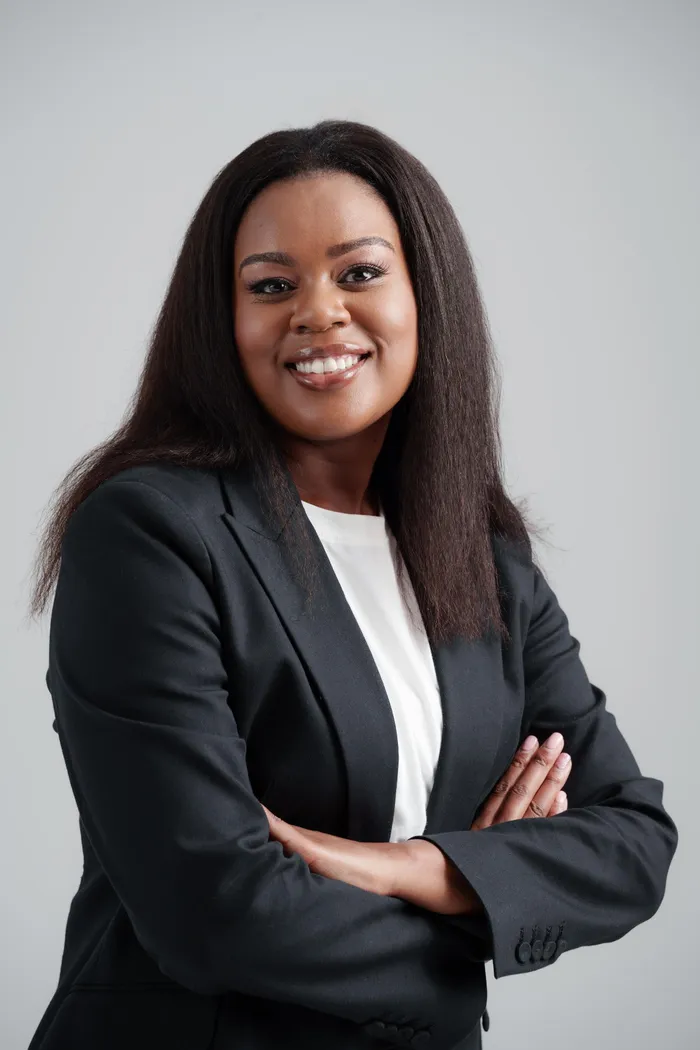
Sané Ndlovu is a proudly local, globally curious travel writer, PR practitioner, and avid solo traveller.
Image: Supplied
* Sané Ndlovu is a proudly local, globally curious travel writer, PR practitioner, and avid solo traveller.