
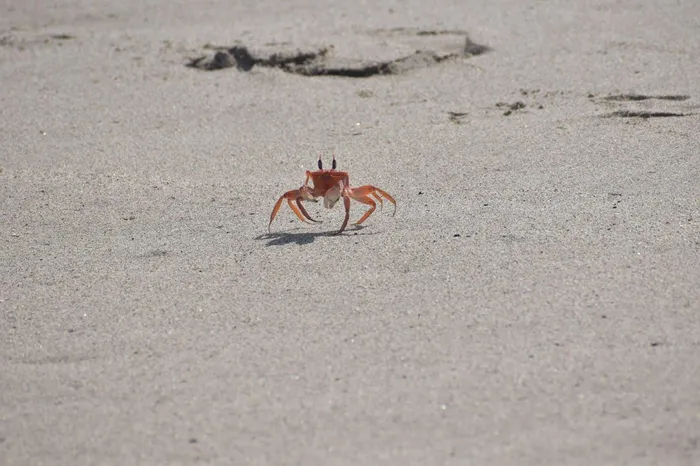
The deaths of the crabs on Cape Town's beaches are primarily caused by a drop in oxygen levels in the water.
Image: Pexels
If you’ve been casually strolling or chilling on Cape Town’s beaches lately, you may have noticed an unwelcome sight: dead crabs scattered across the sand. It’s not just your imagination.
According to a video clip uploaded by Digital Creator Barry Dean, “It’s most likely caused by a drop of oxygen in the water.”
One hotspot is Melkbos Lagoon, known for its scenic beaches, water sports and relaxed West Coast atmosphere, where Dean recorded video footage showing crabs lying lifeless along the shoreline.
“We heard Melkbos Lagoon was recently opened, and with that came polluted freshwater,” he says. The sudden influx of freshwater can upset the delicate balance in the coastal ecosystem, affecting not just crabs but other bottom-dwelling marine life.
The impact doesn’t stop at the lagoon. Dean explains that freshwater can spread along the coastline, and some of these dead crabs were even spotted at Big Bay. Freshwater, being less dense, sits on top of the salty ocean water and prevents proper mixing.
At the same time, the murky, warmer water usually carries high levels of organic matter. As bacteria break down this matter, they consume even more oxygen, leaving little for animals living on the ocean floor. The result then leads to crabs and other bottom-dwellers suffocate and wash up on the beach.
This is also why certain beaches in the area have been temporarily closed. According to local municipal updates, beaches such as Melkbosstrand and parts of Table View have been flagged for water quality concerns following recent freshwater inflows.
Swimming in these waters is not recommended besides the obvious risk of bacteria and pollutants, low oxygen levels and murky conditions can pose health risks, from skin irritation to gastrointestinal issues.
The phenomenon also ties into broader climate concerns. Rising temperatures, changing rainfall patterns, and increased pollution all contribute to these oxygen drops in coastal waters.
Warmer water holds less oxygen, and heavier rainfall or dam releases can introduce large volumes of freshwater loaded with nutrients, creating these low-oxygen zones. For marine life, these events are deadly.
For humans, they are a stark reminder that climate change is not just about distant ice caps, it’s affecting the oceans right outside our backyard.
Dean advises beachgoers to stay alert and avoid swimming in areas affected by freshwater influxes. The crabs on the sand are more than a grim sight; they are a warning.
Our coastlines, marine ecosystems, and even the beaches we relax on are all feeling the pressure of human impact on climate and water systems.