
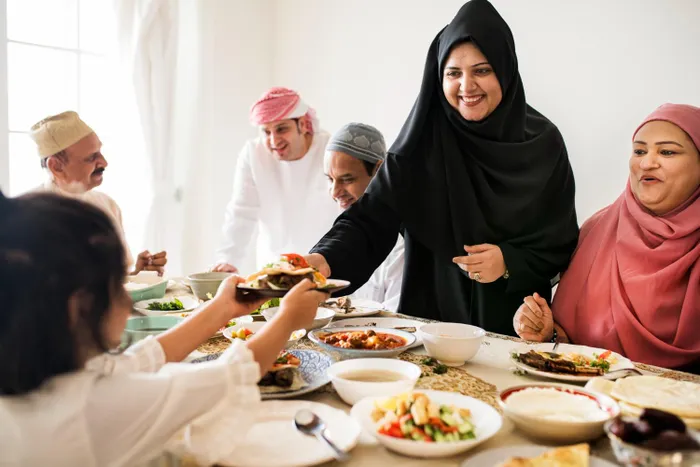
Locals across Cape Town gather at halal restaurants and community spots to enjoy Iftar, sharing meals and tradition during Ramadan.
Image: Freepik
Ramadaan evenings in Cape Town have a rhythm of their own. As sunset approaches, kitchens across the city are buzzing, takeaway queues start forming, and the smell of freshly fried samoosas and pies somehow travels through entire neighbourhoods.
For many Muslims, iftar or boeka, as it’s commonly called locally, is about far more than just eating after a day of fasting. It’s about gathering, sharing food and spending time with family and community.
While many households still break fast at home, the city’s strong Muslim communities mean there are also plenty of places where people head out for boeka.
From long-standing Cape Malay restaurants to popular halal eateries, the city offers no shortage of spots where the evening meal becomes a social occasion.
In Athlone, Ramadaan evenings feel especially lively. The suburb has long been a hub of Muslim life in Cape Town, and during the holy month, the streets fill with people picking up snacks and meals just before sunset.
A favourite stop for many locals is Mariam's Kitchen, known for its Cape Malay comfort food and legendary savouries. Around Ramadan, their samoosas and traditional dishes become serious business.
Then there’s Wembley Roadhouse, a true Cape Town institution. The gatsby sandwiches are already legendary, but come Ramadaan, Wembley turns into a boeka hotspot.
Diners swing by for hefty gatsbys, spicy pies, fried samoosas, and flaky pastries, all perfect for breaking fast. It’s fast, friendly, and exactly the kind of familiar, satisfying food you want after a long day of fasting.
In the heart of the city, 126 Cape Kitchen & Café is a top choice. Their halal-certified iftar buffet brings together Cape Malay and Middle Eastern flavours, think dates and mezze to start, followed by butter chicken, tandoori lamb, vegetarian dhal, and indulgent desserts. Prayer facilities are also on site, making it convenient for the full experience.
Over at Aladdin On Loop, the city’s popular halal restaurant offers Iftar buffets that feature soups, kabsa, mandi, samosas, salads and refreshing drinks. It’s lively, busy, and perfect for those who love a bit of variety on their iftar table.
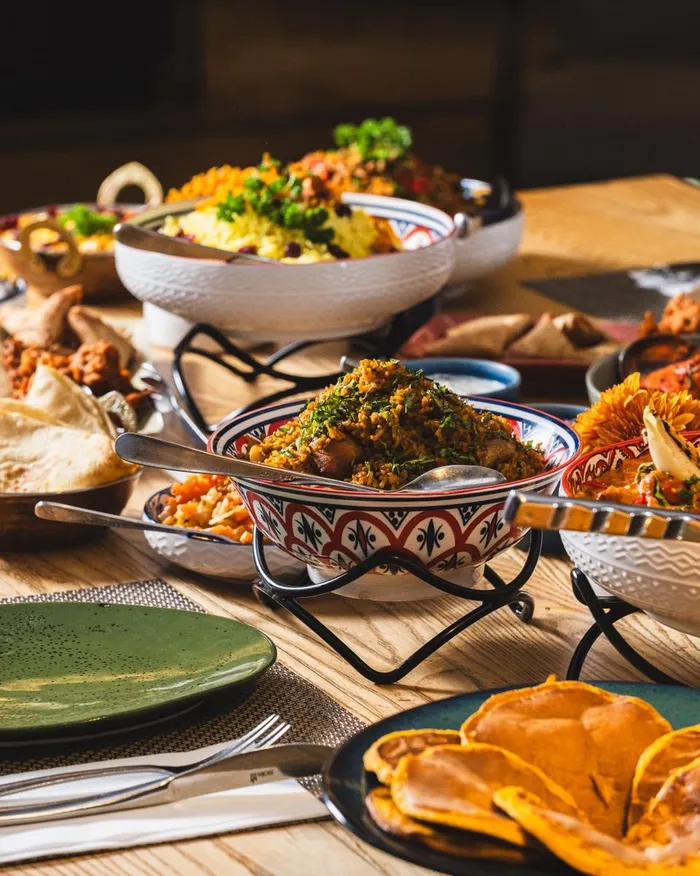
Cape Malay cuisine at 126 Cape Kitchen.
Image: Instagram/126capekitchen
Mount Everest Indian Restaurant in Strand is a well‑rated halal Indian restaurant and takeaway in Strand. This spot is a great option for Iftar meals, especially if you’re after curries, grilled dishes and curry‑style plates that hold up well after a day of fasting.
With good reviews from locals and a menu that’s approachable for families, it’s an easy choice for boeka food you can collect and enjoy at home or at a park picnic.
While Chilli Bae is a highly rated Indian muslim restaurant that offers a menu that works really well for Iftar, think hearty mains, biryani‑style dishes and flavours that warm you up after sunset.
Locals appreciate it for its generous portions and familiar halal comfort food, which makes it a reliable place to stop before breaking fast together.
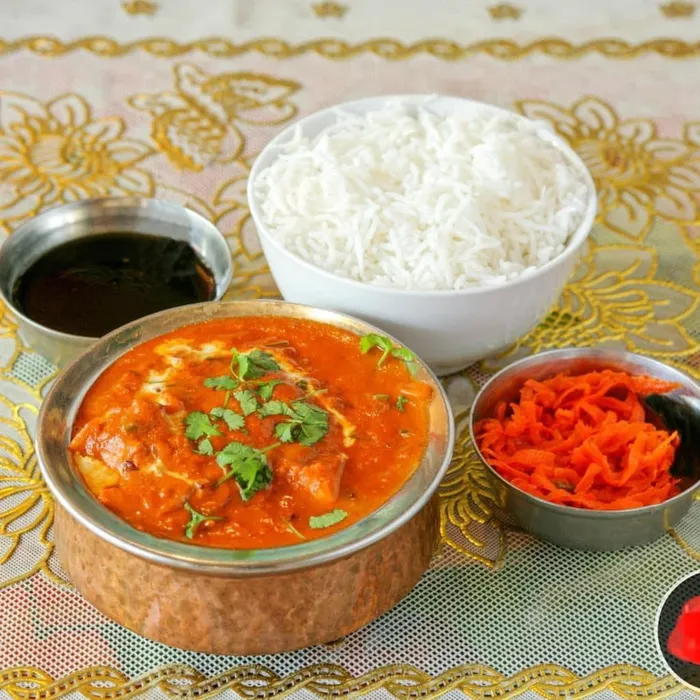
Mount Everest Indian Restaurant.
Image: Facebook/Mount Everest halal Indian restaurant strand
You can’t talk iftar in Cape Town without Bo-Kaap. This colourful neighbourhood is still the beating heart of Cape Malay cuisine, and restaurants here know how to do Ramadaan right.
Biesmiellah Restaurant is a legend, offering denningvleis, breyani, curries, samoosas and desserts that could probably feed a small army.
Bo-Kaap Kombuis offers the same heritage flavours with a side of views over the city. The streets themselves are alive in the evenings, with locals popping in and out, grabbing snacks, and greeting neighbours, a reminder that Ramadaan is about community, not just food.
Bo-Kaap Deli also runs hot and cold iftar spreads, blending traditional Cape Malay and Middle Eastern dishes. While smaller than the big buffets, it offers the charm of local flavours and community vibes.
One of the most well‑known examples is “Boeka innie Bo‑Kaap”, where sections of Wale and Rose Streets in Bo‑Kaap are closed off and turned into a giant open‑air iftar table. Hundreds, and sometimes over a thousand people from across the city, gather to break fast side by side, pray together, and share food as the sun sets.