
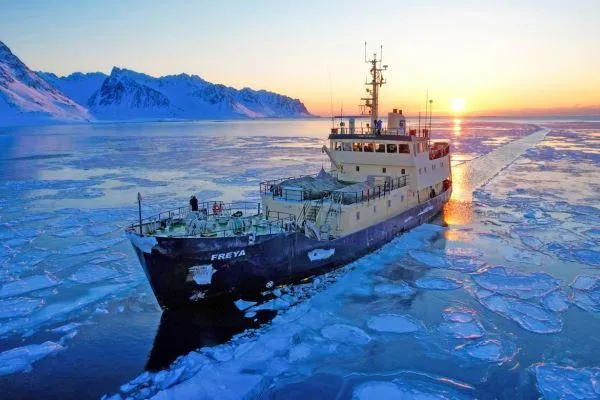
New research suggests Antarctica could see nearly half a million tourists annually in a decade. As interest rises, so do concerns about the environmental impact.
Image: Instagram.
Antarctica, known for its vast icy landscapes, adorable penguins and polar bears and mysterious icebergs, may be under threat from overtourism, bringing with it a host of environmental issues.
New research predicts that the number of visitors could skyrocket from about 125 000 in 2023-24 to 452 000 by the year 2034.
Over the last few decades, Antarctica's appeal has been growing, transforming it into a bucket list destination for many adventurous travellers; however, scientists are concerned about the environmental impact tourism will have on the continent.
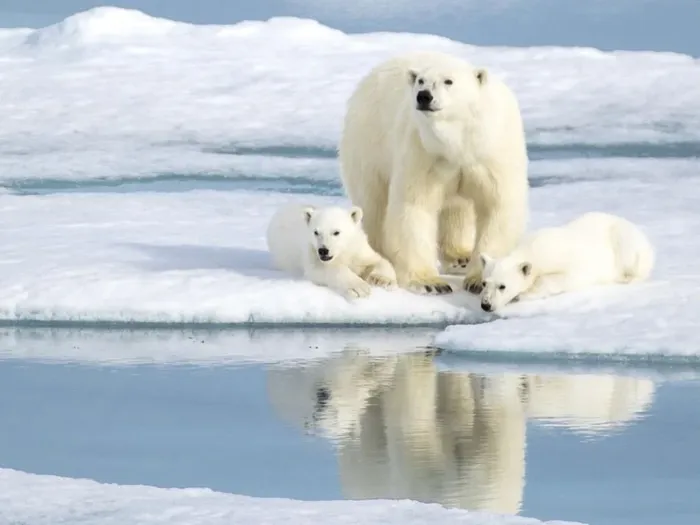
As top predators, polar bears reflect the overall health of the Arctic environment. Their declining numbers due to melting sea ice signal larger climate and ecological changes affecting the entire region.
Image: Instagram.
According to a team of scientists from the Queensland University of Technology, the influx of tourists is already leading to increased pollution in the region.
They found that areas where people have visited, like the coastal fringe of the Antarctic Peninsula, show up to ten times more fine particles, including heavy metals, than they did 40 years ago.
This is worrying because it signals a negative impact on the pristine environment.
Tourism activities in Antarctica often include kayaking, hiking and even polar plunges, bringing in more ships and people into the delicate ecosystem.
However, this comes with its own set of challenges, such as disturbing wildlife, harming plants, and even accidentally bringing in new bugs or diseases that could harm local species.
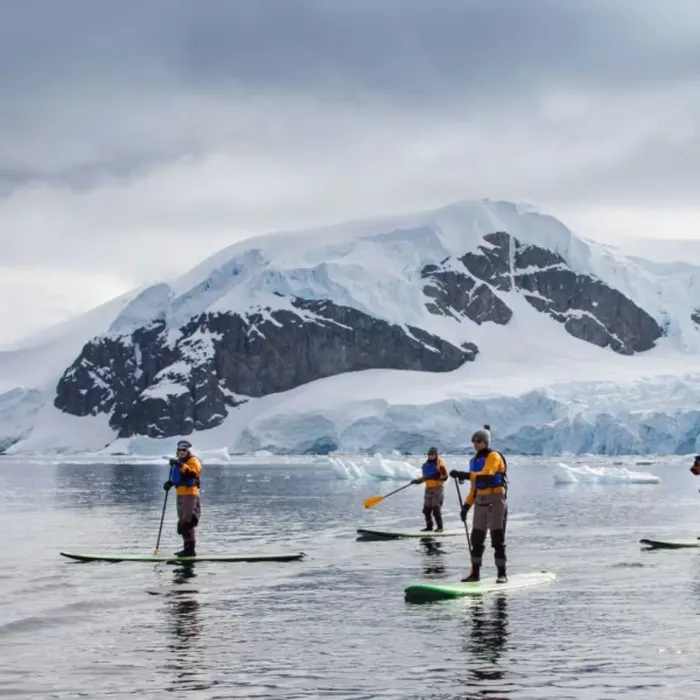
Stand-up paddling in Antarctica has become increasing popular.
Image: Instagram.
Dr Valeria Senigaglia, a marine scientist and lead author of the report, explained that while the impact of tourism isn’t enormous just yet, it’s crucial to start thinking about solutions to manage this growth.
"The quantified impact is not massive yet, in the sense that there isn't much data on it, and the International Association for Antarctica Tour Operators (IAATO) is already doing a great job in mitigating the impact. In terms of impact, there is the trampling on mosses, compacting the soil and disturbing seal and penguin breeding colonies," shared Senigaglia in an online video report.
She suggested setting a cap on the number of visitors who can land on the continent at the same time, increasing trip prices to manage demand and introducing stricter environmental rules.
But there are challenges because the existing laws, such as the Antarctic Treaty, can make changes difficult.
"Laws that protect Antarctica, first and foremost, are the need for an environmental impact assessment, so anything that happens in Antarctica needs to go through this process, which is dealt with by each country's signatories of the Antarctica treaty, and they establish whether the activity that will be done in Antarctica is not impactful or minimal.
"There are also sight-specific guidelines, so there are regulations on how to approach animals or how many people will land at any point in time; however, all of these are voluntary and not legally binding.
"There is only one resolution that was passed in 2007, which was meant to limit the number of tourists that were allowed to land at any time. Unfortunately, while this measure reached consensus, it has not been implemented yet," she said.
Although most tour operators try their best to protect the environment, the growing number of visitors could still lead to negative effects, including pollution and wildlife disturbances.
"Most of the tour operators try to do the right thing; it's just that, if this increase happens, it's hard not to provoke any type of impact," she ended.