
. March is Human Rights Month
Image: File
As South Africa observes Human Rights Month, indigenous and marginalised groups say rights guaranteed in the Constitution and the promises of democracy remain out of reach.
Human Rights Commissioner Chris Nissen said while South Africa's constitution is widely respected around the world, too many citizens are still not experiencing its full protections.
He explained the Constitution was shaped by the voices of ordinary South Africans and draws strongly from the ideals of the Freedom Charter. In the 1950s, activists travelled from community to community asking people what they wanted a democratic South Africa to look like.
Those ideas helped shape a Constitution that guarantees equality, dignity and access to basic services.
“These rights did not fall from the sky,” Nissen said. “People fought for them with their blood, sweat and lives. Everyone marvels at our Constitution, and rightfully so,” Nissen said.
But, he believes the country still has work to do when it comes to fulfilling many of the socio-economic rights promised in the Constitution, including access to housing, water, sanitation, healthcare and education.
“More than 30 years into democracy we cannot still be saying people cannot have water or sanitation,” he said. “We need to ask ourselves why the progressive realisation of these rights is not happening faster.”
For many South Africans, the daily reality still includes long waits outside government offices and health facilities.
“When people have to stand in the rain outside clinics or spend the night waiting outside SASSA offices, we must ask ourselves whether the full promise of human rights is being realised,” he said.
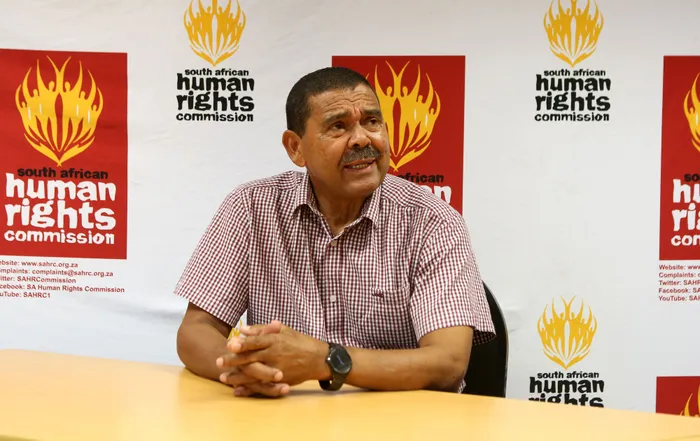
Western Cape Commissioner for the South African Human Rights Commission Chris Nissen
Image: File
Nissen also encouraged communities who feel marginalised not to remain silent.
“You must never feel like a minority in the country of your birth, in the country of your ancestors,” he said. “People must take their rightful place in South African society and speak up when their rights are not respected.”
He also believes the legacy of colonialism continues to influence how indigenous traditions and cultural practices are viewed.
“Many indigenous traditions were once criminalised or dismissed as uncivilised,” he said. “Yet our Constitution clearly protects culture, religion and identity.”
Those concerns are echoed by Khoisan leaders. Chief !Garu Zenzile Khoisan from the Western Cape First Nations Collective said the issue of recognition remains central.
“We remain deeply concerned that the rights of Khoi and San descendants to be recognised, restituted and restored have not been meaningfully addressed,” he said.
"South Africa is a signatory to international frameworks such as the United Nations Declaration on the Rights of Indigenous Peoples, which outlines protections and recognition for indigenous communities. However, Khoisan leaders argue that these commitments have not translated into meaningful change on the ground.
"Although President Cyril Ramaphosa signed the Traditional and Khoi-San Leadership Act into law in 2019 to create a pathway for recognising Khoisan leadership structures, many communities say the process has been slow and under-resourced."
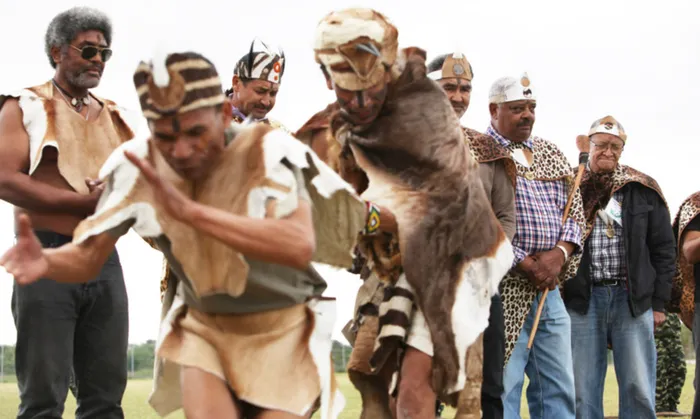
Khoisan people feel their rights are still not being upheld
Image: File
Issues such as land restitution, access to marine resources, heritage protection and the official recognition of Khoisan languages remain unresolved.
At the same time, members of the Rastafarian community say they continue to face misunderstanding and discrimination despite the Constitution protecting freedom of religion.
Speaking on behalf of the Rastafari National Council, Ras Hein Scheepers said the Rastafarian presence in South Africa has grown significantly over the past century.
“Rastafari has been here for more than 100 years and continues to grow,” Scheepers said. “We might be seen as a minority, but our beliefs run very deep.”
The Rasta community in South Africa is considered one of the biggest in the world having more than three million Rastafarians in the country.
In Cape Town alone, there are more than one million Rasta's.
However, Scheepers said members of the community often encounter difficulties because of their appearance and beliefs.
“From a young age our children are sometimes told they cannot wear their dreadlocks at school,” he said. “Later in life people are denied jobs because of their beliefs, and many still see Rastafarians as ‘dagga dronk’ individuals, which is a stereotype that continues to follow the community.”
Scheepers explained that Rastafarian philosophy is closely tied to human rights and anti-colonial thinking, drawing inspiration from Ethiopian leader Haile Selassie.
“For us the essence of Rasta is anti-colonial and rooted in global human rights,” he said.
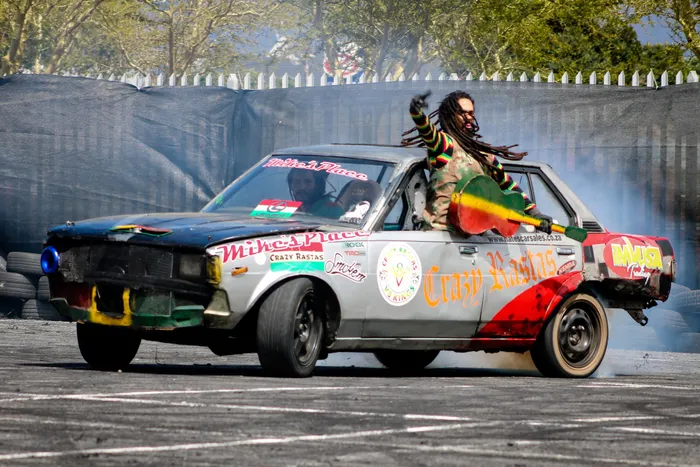
The Rasta community in South Africa is considered one of the largest in the world
Image: File
Human rights advocates say the broader conversation must also include the everyday challenges faced by poor and working-class communities.
According to Siya Monakali from the advocacy organisation Ilitha Labantu, many South Africans still feel the promises made during the transition to democracy have not fully materialised.
“Thirty-two years into democracy, many poor and working-class South Africans remain largely neglected,” Monakali said. “These communities continue to carry the heaviest burden of inequality, unemployment, inadequate housing and limited access to essential services.”
He said these communities played a central role in the struggle for democracy but still find themselves fighting for recognition and meaningful change.
Monakali pointed to the situation in Cape Town as an example of the inequalities that persist.
In some parts of the city residents enjoy access to opportunity, safety and resources, while in many communities across the Cape Flats people continue to live with high levels of crime, violence and poverty.
"We have a right to life...think about it."
Police crime statistics regularly place several Cape Flats communities among the country’s most affected areas for violent crime, including murder.
“For residents of the Cape Flats these are not just statistics,” Monakali said. “They represent daily realities shaped by fear, trauma and loss.”
He believes Human Rights Month should serve as a time to reflect on how far the country has come, while also acknowledging the challenges that remain.
“The real measure of our democracy lies not only in the rights written in our Constitution, but in the conditions under which the most vulnerable people in our country are living,” he said.
For Nissen, the message is simple: the Constitution sets the standard, but it is up to both government and society to ensure those rights become a lived reality for everyone.
“Nobody must be excluded,” he said. “Nobody must be left behind in South Africa.
tracy-lynn.ruiters@inl.co.za