

Homegrown star, Jimmy Nevis
Image: Fuad Esack
South African artist Jimmy Nevis released the music video for his emotionally charged song Prey on Thursday, collaborating with Women For Change and Independent Media’s photojournalist Armand Hough.
The song, written by Nevis himself, has already become an anthem for many survivors of gender-based violence (GBV), addressing the devastating reality of femicide in South Africa.
A snippet of Prey was initially shared with Women For Change in 2025 and quickly gained momentum, resonating deeply with communities affected by GBV.
Nevis explained that the lyrics were inspired by the lives of all 30,000 women who have lost their lives to gender-based violence since 2016.
“Nothing could prepare me for when we recreated the protest for the video in Woodstock,” he said.
“For myself, it was impossible not to feel something in that space. I feel extremely inspired and aligned, it feels like a rebirth. So many people just hear the song or see the video and interact with it in an entertainment space, but there’s so much joy and respect in creating something impactful behind the scenes as well.”
The video features the names of victims and snippets of past protests against GBV and femicide. On Thursday, during a private viewing, attendees were visibly moved as these moments were displayed, reinforcing the gravity of the ongoing crisis.
Sabrina Walters, CEO of Women For Change, spoke about the significance of the collaboration: “Tonight is not just another premiere. It’s a reflection of a reality that millions live every single day.
“Gender-based violence and femicide is not just a headline or a hashtag. Women and children are not statistics, for us they are lives affected by fear, loss, and injustice daily. Change does not come from silence; it comes from voices that refuse to look away. Jimmy’s song joins that fight. Ending GBV is the responsibility of all of us - artists, communities, and simply human beings.”
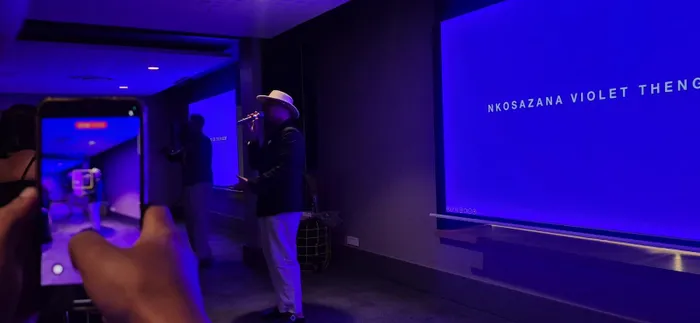
Jimmy Nevis at the release of his song Prey
Image: Tracy-Lynn Ruiters
Walters highlighted the power of visibility, noting how movements like the G20 Women Shutdown and the Purple Movement have united communities and influenced awareness and policy.
She cited recent digital activism milestones, including the global participation in laying down in solidarity for the 15 women murdered daily in South Africa and the national classification of GBV as a disaster.
“When we unite, we are louder and stronger together. No one should have to pray that they won’t become prey,” she said.
Photojournalist Armand Hough, who provided visuals for the video, reflected on the personal impact of the project.
“Throughout my career, I’ve seen women being raped and murdered. One story that sticks with me is that of Anene Booysen. I used to think it was a rare occurrence, but I realized this is a crisis unique to South Africa that needs urgent attention.
“Giving my work to this project is my way of keeping this issue in people’s minds. If we can burn tyres for electricity and water, why can’t we be loud about femicide as well?,” he asked.
tracy-lynn.ruiters@inl.co.za