
Cape Town Auction Week takes place later this month.
Image: Supplied.
An exclusive private collection spanning Cape silver, Oriental ceramics, fine furniture, and art, which traces the material culture of the Cape across the 18th and 19th centuries, has been brought to market. Opened on March 2, 2026, as a Live-Virtual sale, Generations of Collecting: An Important Collection of Cape Silver, Oriental Ceramics, Furniture and Art features more than 200 lots and is set to illustrate the vital position of the Cape as a meeting point of European craftsmanship, Asian trade, and vernacular design.
The extensive collection is split into two sessions and covers four major categories, offering items that will pique the interest of keen collectors—from early domestic silver by masters like Daniel Hockley to VOC Aritaware porcelain and extraordinary landscape artworks. The collection is a reminder of how global exchange shaped everyday life at the southern tip of Africa three centuries ago.
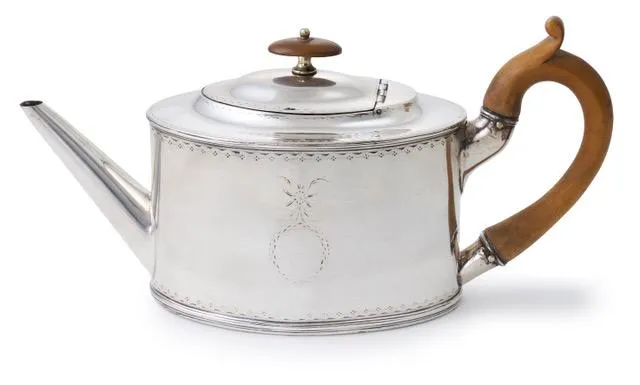
An exceptionally rare 1760 Johan Anton Bünning tea caddy headlines Cape silver.
Image: Supplied
Cape Silver Highlights
Historic silver production in the Cape tells a story of stature, daily ritual, and religious rites of passage, with items often commissioned by prominent families. One of the auction’s highlights is an exceptionally early Cape silver tea caddy dating back to 1760—an extraordinary survivor created by the silversmith Johan Anton Bünning (estimate R70 000 – 90 000). Another standout is a Cape silver communion cup by Daniel Hockly (estimate R30 000 – 40 000), a master whose work is rarely found today, with this cup ostensibly being the second largest piece he made. They are joined in the auction by works from silversmiths Frederick Lambertus Hermann, Daniel Heinrich Schmidt, and Gerhardus Lotter.
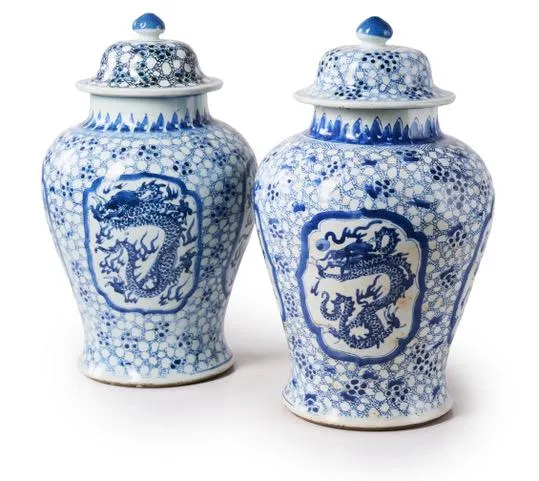
VOC Arita ware and early Chinese ceramics highlight local trade history.
Image: Supplied
Ceramics and Global Trade
Ceramics make up the largest component of the auction at around 98 pieces, charting the history of the craft as far back as the T’ang dynasty (618-906 CE) with a pottery funerary figure (estimate R12 000 – 15 000). The collection is bolstered by a remarkable group of five VOC Arita ware plates in excellent condition and three finely engraved VOC glass goblets, which recall a time when Cape Town was crucial to the global trade map under Dutch rule. “The plates in particular are valuable remnants from a period when Japan briefly became Europe’s primary porcelain supplier,” says Jill Van Dugteren, Design and Decorative Arts Coordinator.
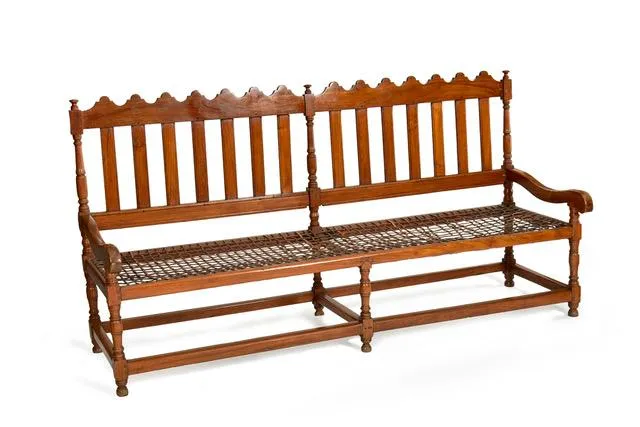
The Van der Stel rusbank.
Image: Supplied.
Unique Cape Furniture
The furniture component represents all the style periods that developed at the Cape, having originated in Europe, been influenced by international design trends via trade routes, and developed distinctive characteristics of their own. The Van der Stel rusbank (estimate R25 000 – 30 000), for example, possesses a unique Cape vernacular style not found in any of the Dutch colonies. “The rusbank is among the earliest listed seat types in Cape domestic inventories, and this one is a notch above as a rare Baroque Van der Stel example,” notes Nicky Myburgh, Cape Furniture Specialist. The auction also features grand armoires and display cabinets, which were significant status symbols for government officials and wealthy merchants, offering insight into the 18th-century Cape Colony's economy and social customs.
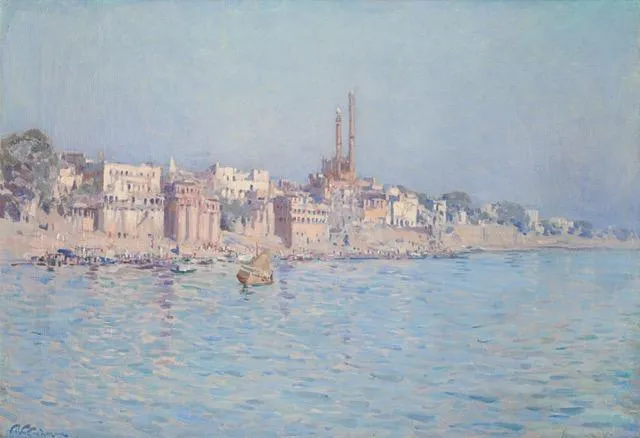
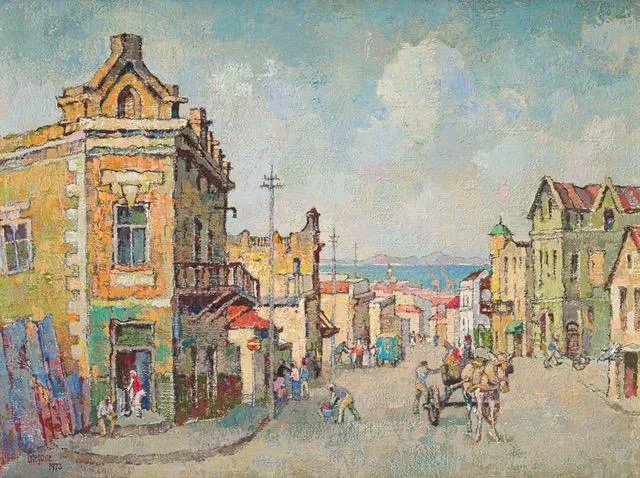
View of Table Bay District Six by Gregoire Boonzaier
Image: Supplied
South African Landscape Art
A heavyweight cast of South African landscape artists is featured, including Gwelo Goodman (who dominates the collection), Gregoire Boonzaier, JH Pierneef, and John Meyer, among others. These artists document over 80 scenes of everyday life during the 18th and 19th centuries. Noteworthy pieces include View from Groot Constantia, a rare 1901 landscape by James Smith Morland (estimate R8 000 - 12 000); Goodman’s painting Windhoek (R20 000 - 30 000); and View of Table Bay District Six by Gregoire Boonzaier (estimate R200 000 - 300 000), which offers an important glimpse of life in the neighbourhood in 1973, shortly before its final demolition.