
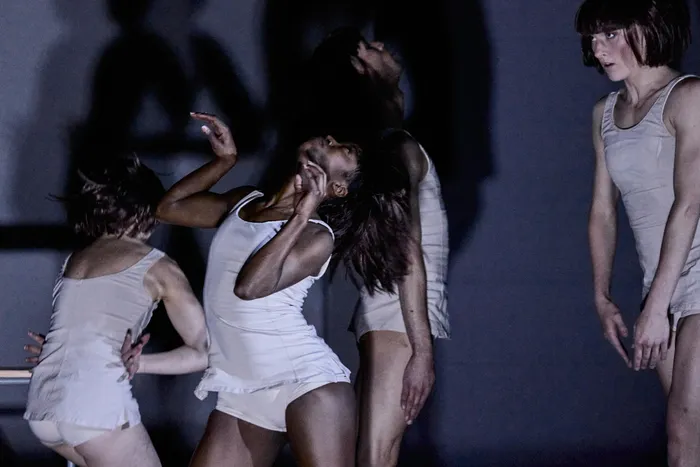
Autoplay, Africa’s first AI-generated dance opera.
Image: Supplied
As the global art world increasingly grapples with the encroaching shadow of Artificial Intelligence, the National Arts Festival (NAF) has unveiled a 2026 curated programme that promises to be its most provocative yet. Set in the historic heart of the Eastern Cape, this year’s festival—the 52nd of its kind - seeks to reconcile the ancient echoes of indigenous wisdom with the high-velocity "vortex" of technological transformation.
When ticket sales officially open on 20 May, audiences will be invited to explore a landscape where the digital and the primal collide. This year’s theme asks a question that feels particularly urgent in 2026: What does Ubuntu mean in an age of algorithms?
The headline-grabber of the announcement is undoubtedly autoplay, Africa’s first AI-generated dance opera. Presented by Darkroom Contemporary to mark their 15th anniversary, the work utilises real-time generative music to ensure that no two performances are ever identical. It is a bold experiment in "technology as play," shifting the narrative of AI from a threat to a collaborative tool. The digital inquiry continues with international imports that challenge our obsession with the screen. UK artist Louise Orwin’s FAMEHUNGRY forces a collision between live theatre and the frantic immediacy of TikTok Live, while the Canadian production 2021 blurs the boundaries between video games and stagecraft in a haunting digital resurrection story.
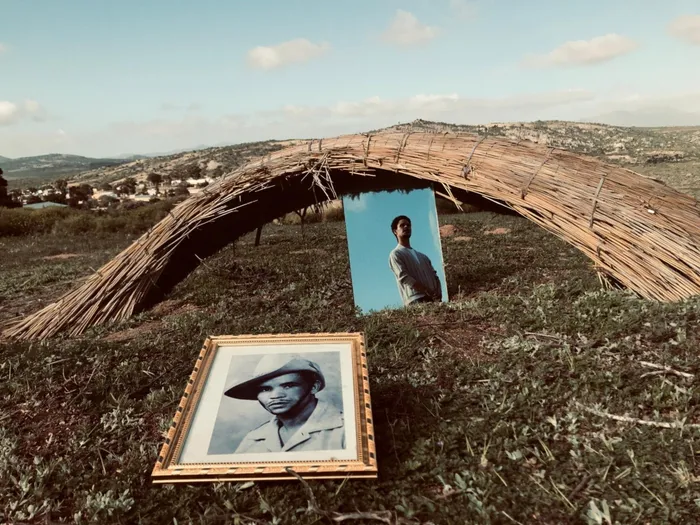
Jason Jacobs (Theatre) presents Kraal, a searing examination of the "dop" system’s colonial legacy, performed within a sacred 'matjieshut'.
Image: Supplied
However, the festival remains deeply anchored in the soil of the Eastern Cape. Artistic Director Rucera Seethal emphasises that while change is "spinning us in unprecedented directions,"creatives must 'question and rewire' to find meaning. This "rewiring" is most evident in the work of the 2026 Standard Bank Young Artists. Jason Jacobs (Theatre) presents Kraal, a searing examination of the "dop" system’s colonial legacy, performed within a sacred 'matjieshut'. Meanwhile, visual artist Bronwyn Katz focuses on the retrieval of lost Khoi languages, translating "body cartographies" into metal scaffolds infused with healing herbs and beeswax. These works suggest that the path to the future must be paved with the recovered fragments of the past.
The 2026 film programme brings a heavy dose of awards-season glamour to Makhanda. Featured screenings include Joachim Trier’s Sentimental Value, the 2026 Oscar winner for Best International Feature, and Park Chan-wook’s No Other Choice, fresh from a thunderous nine-minute standing ovation at the Venice Film Festival.
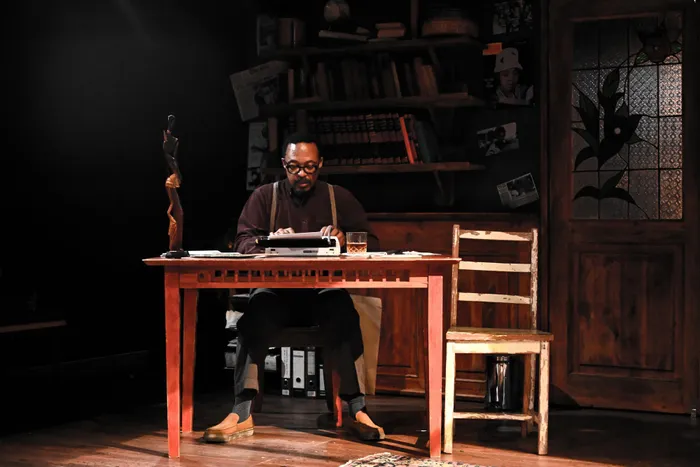
The Cry of Winnie Mandela.
Image: Supplied
On the musical front, the legendary Soweto String Quartet returns to the festival stages to mark 30 years since their debut recording—a poignant reminder of the festival's role as a long-term custodian of South African excellence. This legacy is bolstered by the Eastern Cape Provincial Government’s ongoing commitment to the LitFest and the provincial auditions currently underway to identify the next generation of poets, storytellers, and crafters.
For Nomatamsanqa Gobozi-Nibe, Head of Department at the Eastern Cape’s Department of Sports, Recreation, Arts and Culture, the festival is more than just an aesthetic exercise; it is an economic and social lifeline.
"The Festival remains an important beacon for showcasing the depth of South African talent while contributing meaningfully to the cultural and economic landscape of the province," she noted. As the NAF prepares to release further details on its 200-plus Fringe shows and the highly anticipated ArtTalks series, the 2026 edition stands as a testament to human resilience. In a world of automated content, Makhanda remains a sanctuary for the "once precious life"—a place to pause, to heal, and to build new worlds.