

University of Pretoria fifth-year medical student Ulethuxolo Mkhaliphi .
Image: Supplied.
SOUTH Africa’s future doctors are learning to prescribe food, not only pills, amid the rapid rise of non-communicable diseases (NCDs) across the country.
The Physicians Association for Nutrition South Africa (PAN SA) is supporting a growing movement known as “culinary medicine”, which aims to bridge the gap between nutrition science and everyday cooking by training medical and health science students to translate dietary knowledge into practical skills.
The organisation is active on seven university campuses across the country, where students are introduced to the role of nutrition in preventing chronic disease.
PAN SA community co-ordinator Gabriela Lourenco says a 2022 student survey found that many medical students reported limited training in nutrition, often receiving only a single lecture or module over the course of their six to seven years of study.
“Students are pretty much like any other students; they go for whatever is convenient,” she said. “When you look at campus food environments, it is largely convenient food rather than nutritious options.”
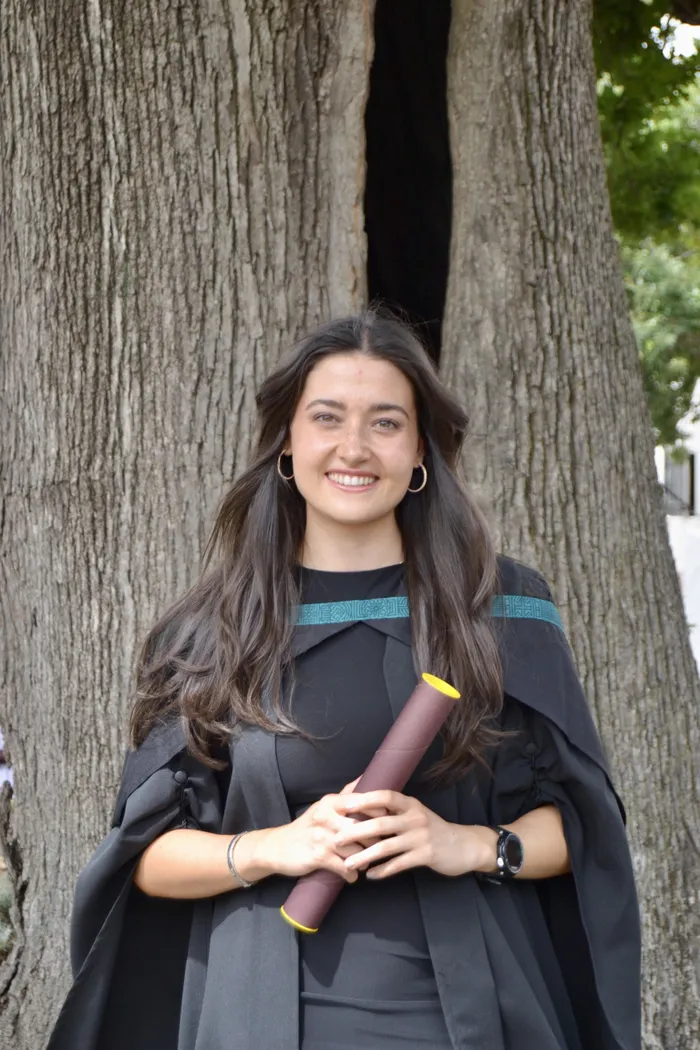
Registered Dietitian and PAN University alumna Michaela Kruger.
Image: Supplied.
Lourenco said Statistics South Africa data shows that NCDs account for 51% of all deaths nationally, with major conditions including obesity, diabetes, hypertension and cardiovascular disease.
She said these conditions are strongly linked to lifestyle factors and could be significantly reduced through improved nutrition and prevention-focused healthcare.
“I think a lot of people misunderstand our messaging in thinking that we are asking them to give up everything they love to eat and follow a very strict diet,” she said. “That’s not what we are doing. We are trying to change food systems. Our mission is to change the way South Africans eat so that we are a healthier nation.”
According to Lourenco, culinary medicine brings scientific evidence from medicine into the practical world of cooking, connecting doctors and the food sector — two fields that do not always communicate — to make nutrition more practical and usable. She said this is supported by evidence showing the benefits of more plant-based eating for both health and environmental outcomes.
Already, about 200 students have participated in PAN SA campus programmes, which include physician-led lectures, nutrition awareness events, film screenings and wellness activities.
A key component of the programme moves beyond theory into practice, with students taking part in structured cooking classes held in professional demonstration kitchens.
“Students come into a fully equipped space with a professional chef and multiple cooking stations, and they actually learn how to prepare the food themselves,” Lourenco said. “That is exactly what culinary medicine is — giving them the knowledge and skills to go home and cook these dishes.”
Speaking to the Independent on Saturday this week, Lourenco said they are currently engaging medical faculties to integrate the programme more formally into universities, as it has largely operated through student participation until now.
While the healthcare system is being asked to solve a problem it was never structurally designed to prevent, students working with PAN SA say the programme is already shaping how they think about their future clinical practice.
University of Pretoria fifth-year medical student Ulethuxolo Mkhaliphi said the programme helped her “translate nutritional education into real-life practical skills that we can give to patients, as well as develop empathy around nutrition and lifestyle changes.”
Registered dietitian and PAN University alumna Michaela Kruger highlighted the importance of culturally inclusive, plant-based nutrition.
“Plant-based diets can often be more affordable and culturally acceptable, while helping to reduce the prevalence of chronic diseases of lifestyle and the environmental impact of animal agriculture,” she said.
PAN SA emphasises that its programme is not just about teaching students to cook, but about confronting a health system built to treat illness rather than prevent it, in a country where unhealthy food is often cheaper, more available, and more aggressively marketed than nutritious alternatives.
To celebrate Youth Month, the organisation will highlight student leaders and campus initiatives across its digital platforms as part of its Youth Month campaign.